Wolf Supermoon and Quadrantids: January's Celestial Double Feature

January's Celestial Double Feature: Wolf Supermoon and Quadrantids
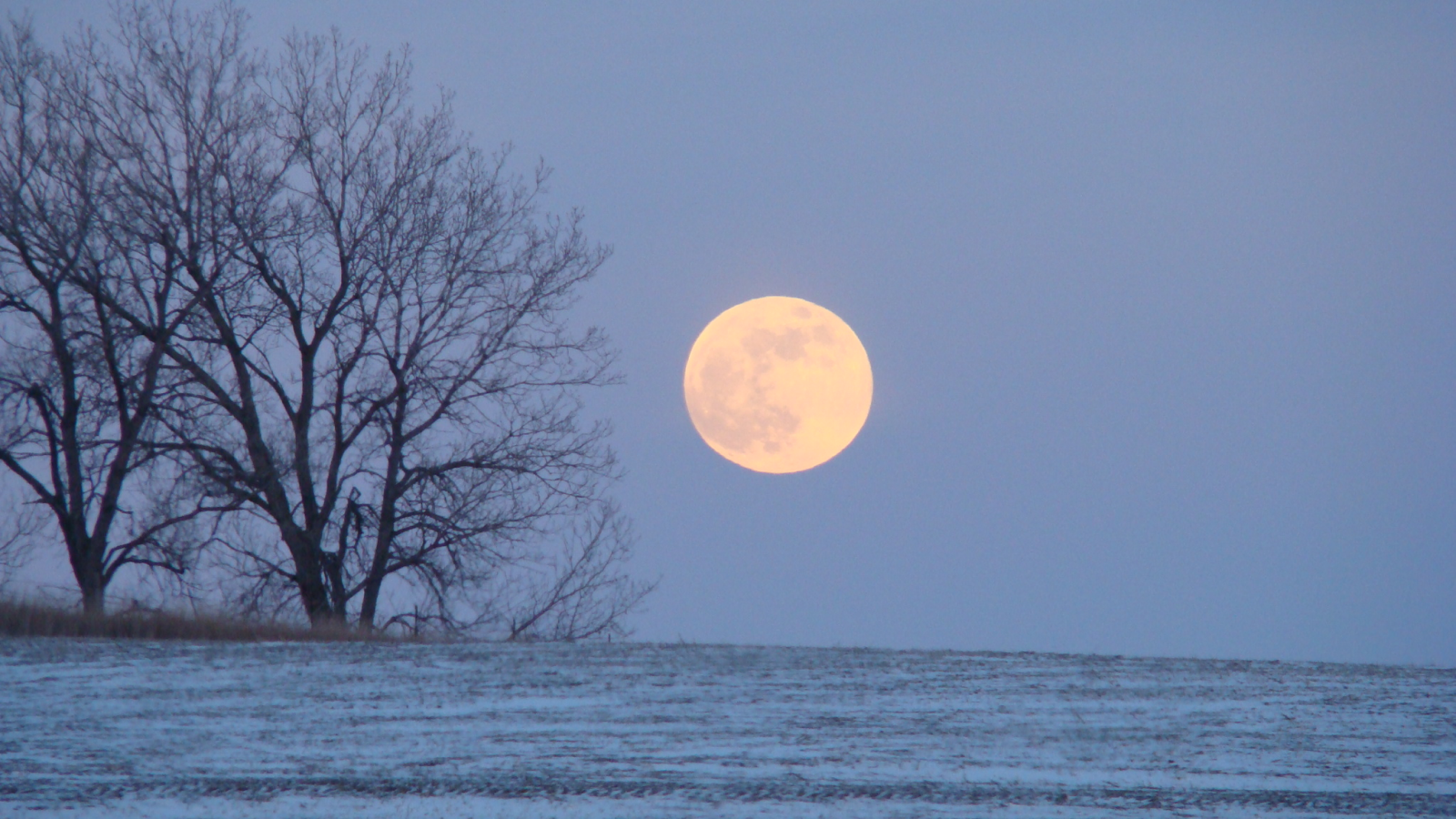
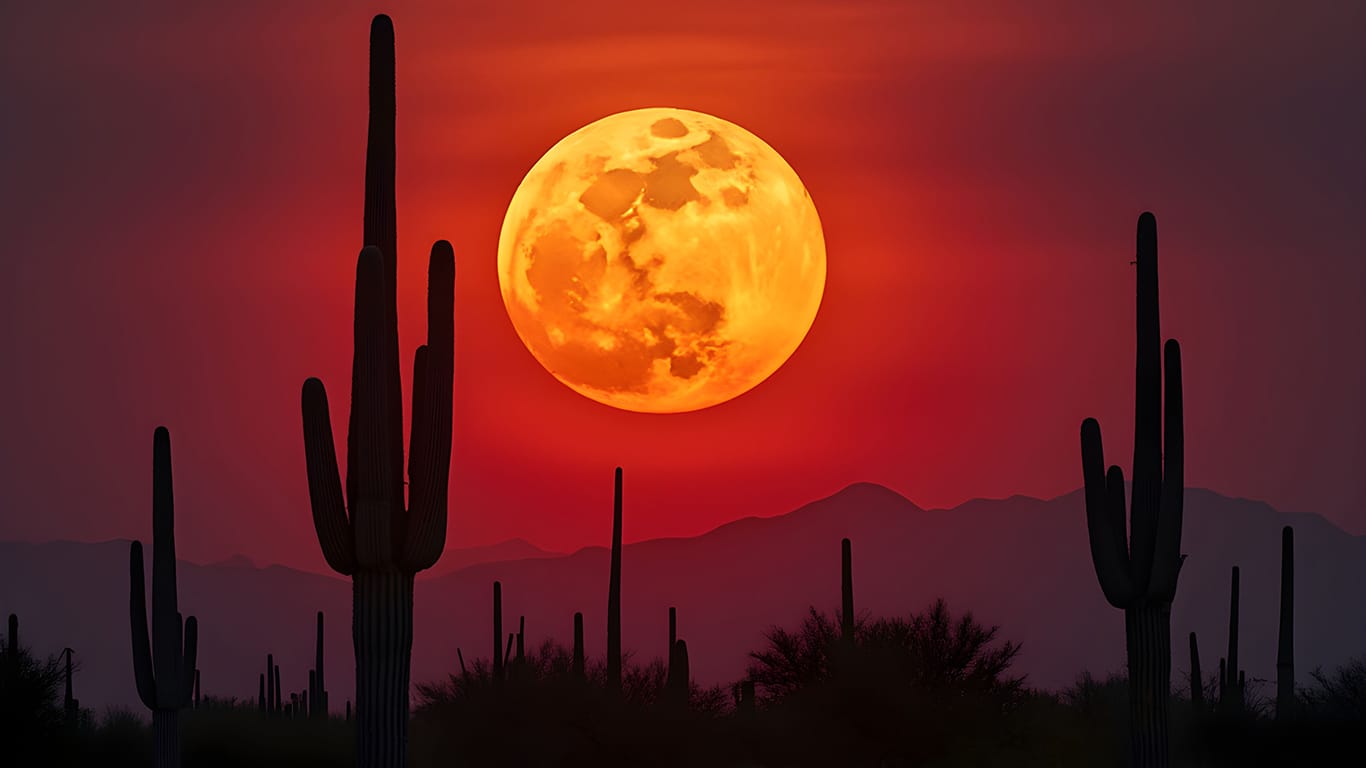
Usher in 2026 with a stunning night sky spectacle as the full Wolf Supermoon illuminates the heavens on January 3, coinciding with the peak of the Quadrantid meteor shower on January 3-4. This supermoon, the fourth in a row and last until late 2026, reaches full illumination at 5:03 a.m. EST, appearing larger and brighter from its close Earth orbit.[1][2]
Observing the Wolf Supermoon
Named for winter's hungry wolves in Native American tradition, the Wolf Moon offers breathtaking views. Rise early to witness its glow dominating the sky, perfect for photographers and stargazers. Its brilliance may challenge faint stars, but the moon's ethereal beauty compensates, evoking ancient lunar lore and howling wilderness vibes.[1]
Chasing Quadrantid Meteors Amid Moonlight
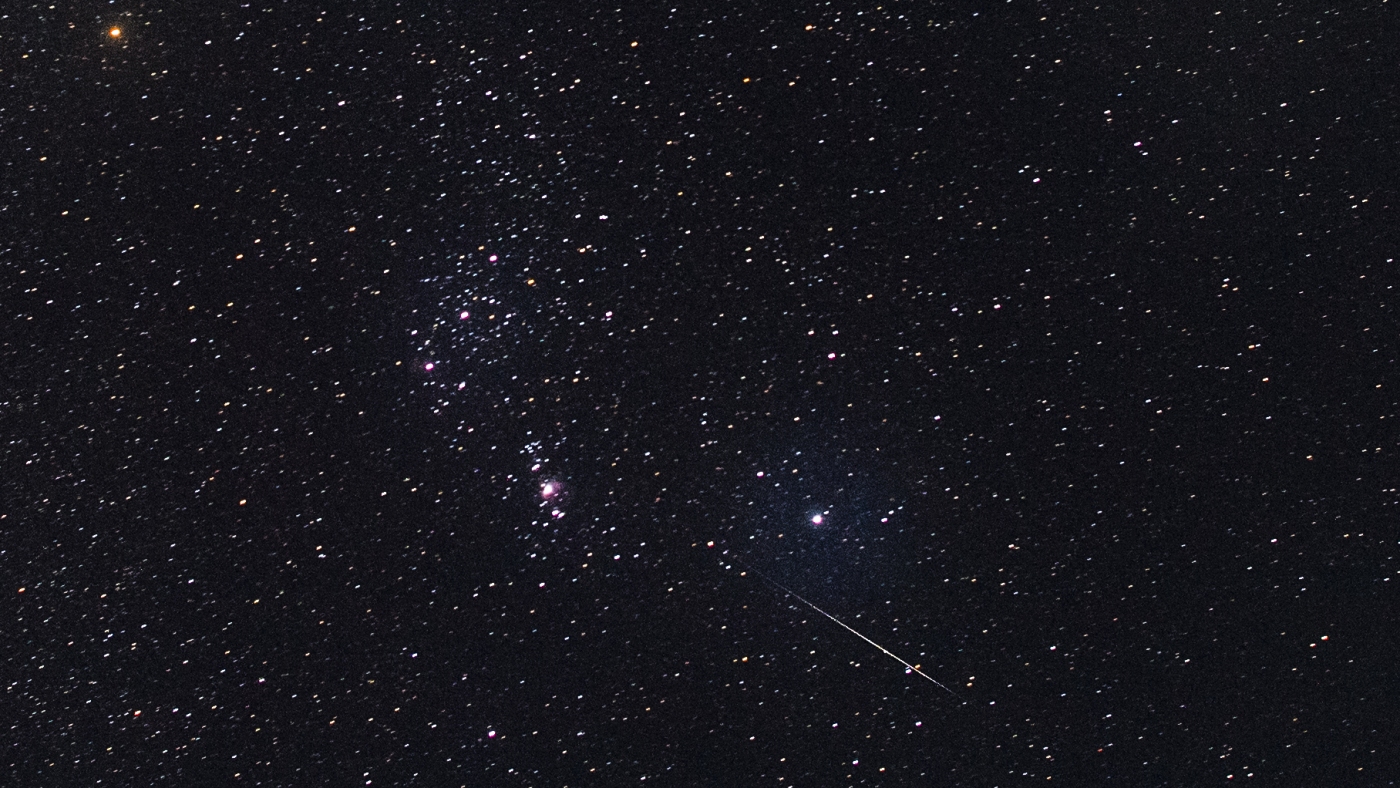
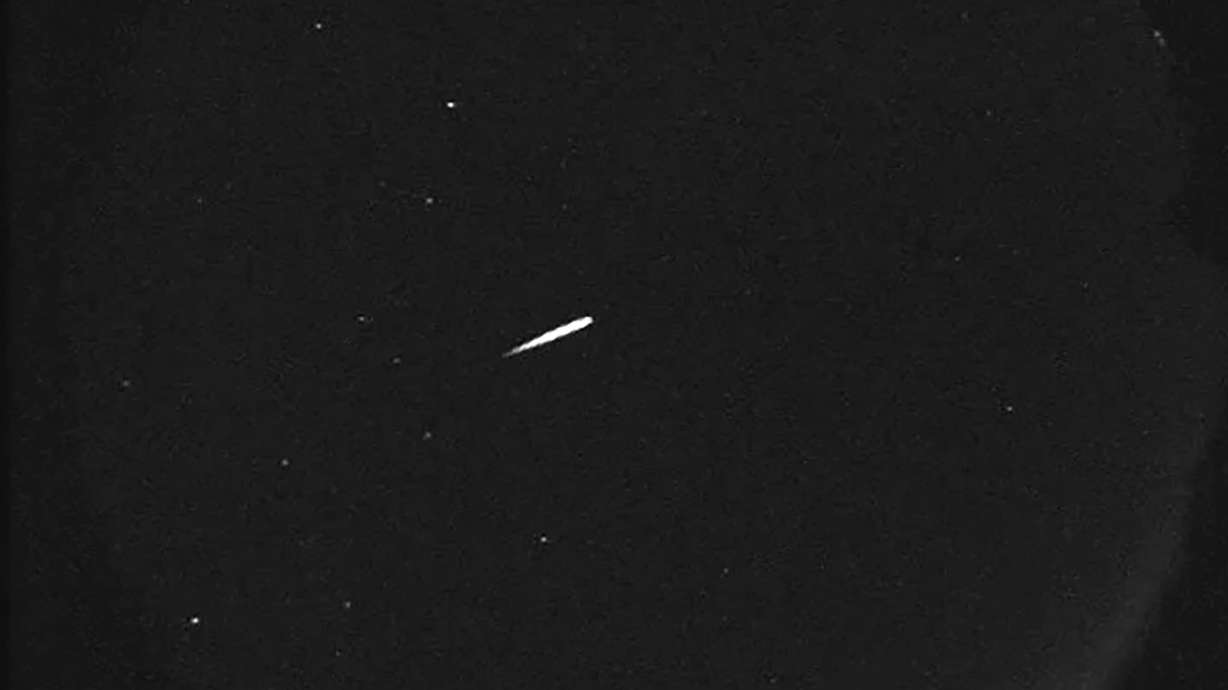
The Quadrantids peak briefly in the northeastern sky, promising up to 120 fiery meteors per hour despite supermoon interference. Scout dark sites pre-dawn on January 4 for potential fireballs streaking dramatically. Bundle up against January chill; patience rewards with cosmic wonders, blending moon's majesty and shooting stars' thrill.[1][2]