Jeff Ulbrich Retained as Falcons Defensive Coordinator
Jeff Ulbrich Retained as Falcons Defensive Coordinator
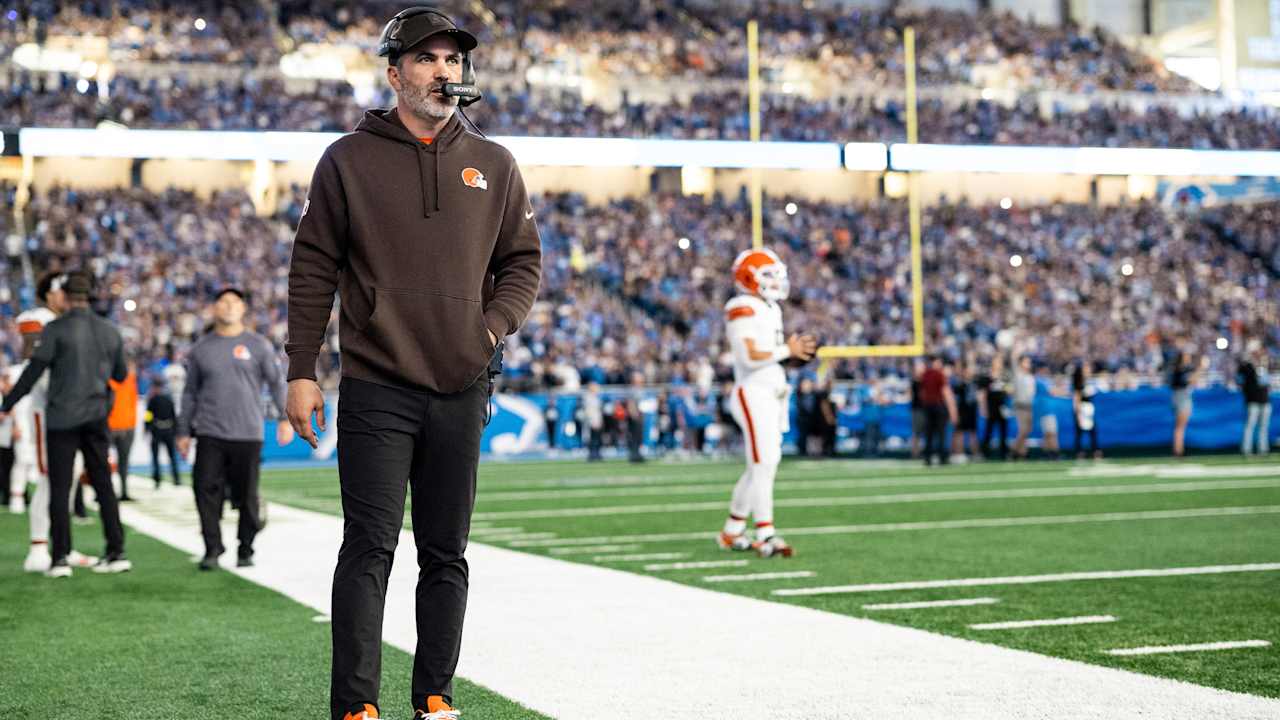
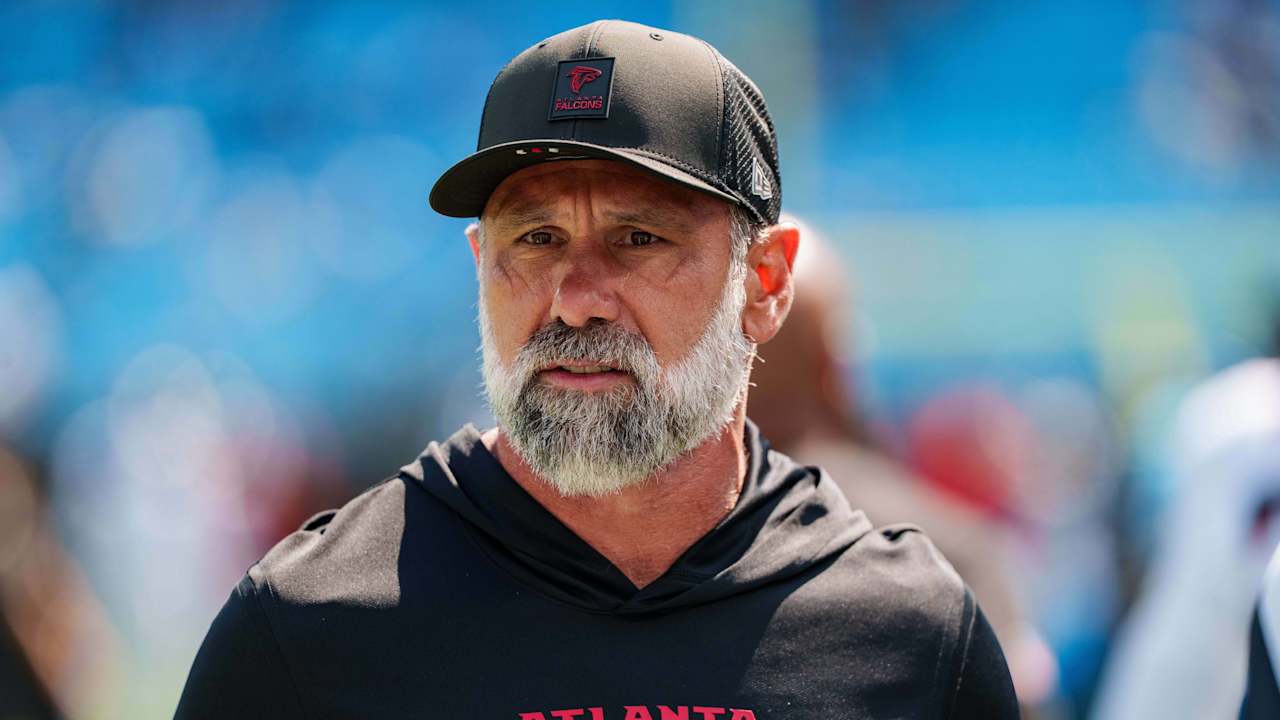
New Atlanta Falcons head coach Kevin Stefanski has decided to keep Jeff Ulbrich as defensive coordinator, signing him to a three-year contract. This move, announced Monday, aligns with owner Arthur Blank's recommendation for continuity on a promising unit. NFL Network's Ian Rapoport first reported the retention, emphasizing Stefanski's early staff assembly.[1][2]
Ulbrich's Proven Track Record
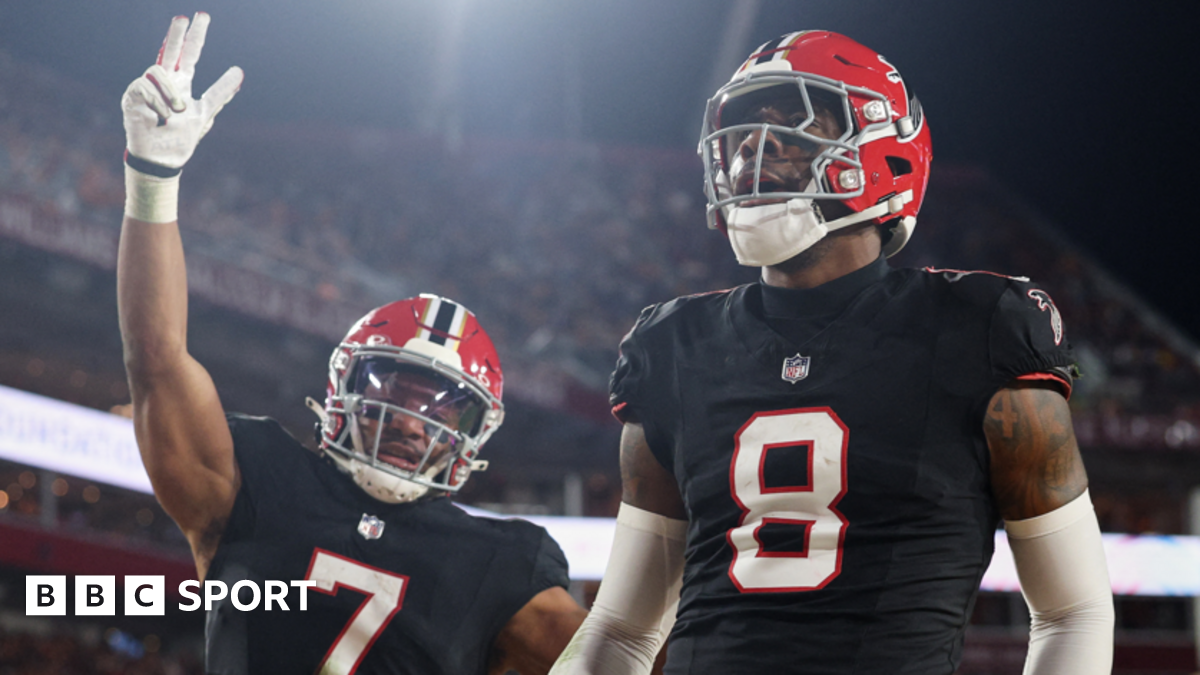
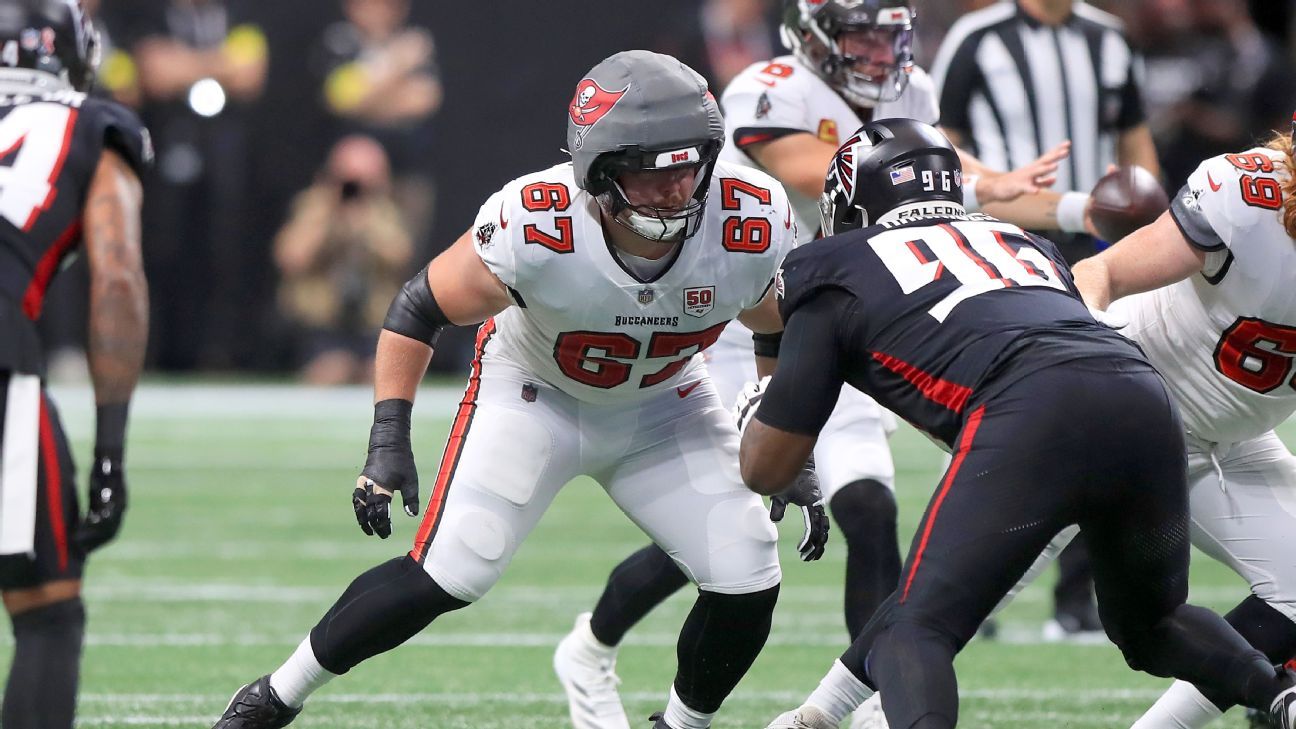
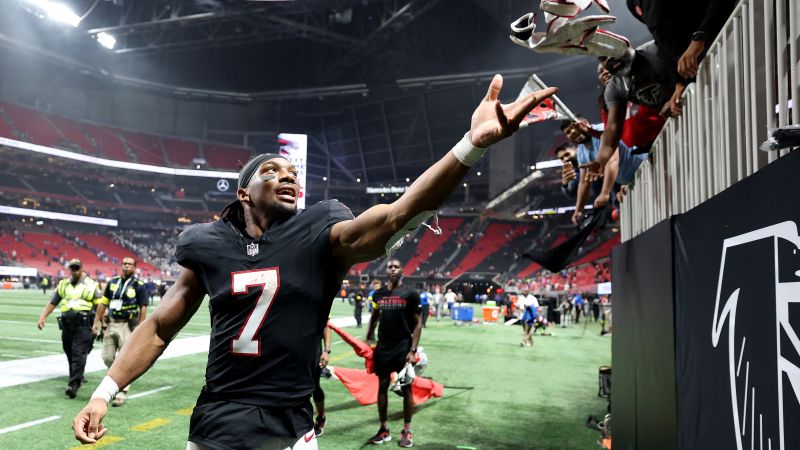
In his first year back with Atlanta in 2025 under Raheem Morris, Ulbrich transformed the defense, leading the NFL with 57 sacks—a franchise record. Standouts like rookie James Pearce Jr. (10.5 sacks), Jalon Walker, and Brandon Dorlus fueled the pass rush resurgence after years of struggles. Despite ranking 19th in points allowed, the unit shone against the pass early and in prime-time wins over Buffalo and the Rams.[1][2]
Future Implications for Falcons Defense
Ulbrich's history with Atlanta dates to 2015, including a Super Bowl run, and his Jets interim head coaching stint adds leadership. With young talents like A.J. Terrell, Jessie Bates, and Xavier Watts, plus Stefanski's vision, this stability could end the Falcons' eight-year playoff drought and elevate their talented defense to elite status.[1][2][4]
About the Organizations Mentioned
Atlanta Falcons
The **Atlanta Falcons** are a professional American football team based in Atlanta, Georgia, competing in the National Football League (NFL) as part of the National Football Conference (NFC) South division. Founded on June 30, 1965, by Rankin Smith, the team joined the NFL in 1966 as an expansion team, designed to keep Smith from joining the rival American Football League (AFL)[1][2]. **History and Achievements:** - The Falcons have experienced periods of success, with division championships in 1980, 1998, 2004, 2010, 2012, and 2016. A notable highlight was their 1998 season, finishing 14-2 and advancing to Super Bowl XXXIII, where they lost to the Denver Broncos[2][3]. - They also appeared in Super Bowl LI in 2017, losing to the New England Patriots in overtime[1]. - The team's first winning season was in 1971 under Coach Norm Van Brocklin, marking a significant milestone in their history[7]. **Current Status:** - The Falcons play their home games at **Mercedes-Benz Stadium**, which opened in 2017 and features state-of-the-art facilities, including the world's largest video board[4][5]. - The team is owned by **Arthur Blank**, who purchased the franchise in 2002[4]. - The Falcons are known for their strong fan base and have been a significant part of Atlanta's sports culture for decades. **Notable Aspects:** - Despite their achievements, the Falcons remain the oldest major professional sports team in the U.S. without a championship[1]. - The team has had notable players throughout its history, including Matt Ryan, who holds several franchise records[5]. - The Falcons are engaged in various community activities and initiatives, reflecting their commitment to both sports and social responsibility. While not primarily a business or technology organization, the Atlanta
NFL Network
The NFL Network is a cable and satellite television channel owned by the National Football League (NFL), established in 2003 to serve as the league’s official media arm. Its launch marked a pivotal moment in sports broadcasting, as the NFL became the first major American sports league to own and operate its own national television network. The channel was created to centralize coverage of NFL-related content, including live games, news, analysis, documentaries, and original programming, while also shaping the broader sports media landscape. From its inception, the NFL Network played a transformative role in the business of football. It expanded the league’s reach by providing year-round coverage of free agency, training camp, and the NFL Scouting Combine, helping to fuel the NFL’s dominance as America’s most-watched sport. One of its most lucrative innovations was the launch of *Thursday Night Football* in 2006, which began as a cable-only package and later became a highly sought-after broadcast property, eventually sold to Amazon for around $1 billion annually starting in 2021. The network’s founders leveraged the NFL’s popularity and live-viewing appeal to create a powerful assignment editor for sports media, influencing how stories are covered and driving viewer engagement. Over the years, the NFL Network has become a hub for breaking news, expert analysis, and exclusive interviews, often setting the agenda for sports journalism. Today, the NFL Network remains a cornerstone of the league’s media strategy, blending traditional broadcasting with digital innovation. Its success has inspired other leagues to explore similar models, but none have matched its scale or influence. For business and technology audiences, the NFL Network stands as a prime example of how vertical integration, content ownership, and strategic branding can redefine an industry.
Jets
Jets.com is a private jet charter company founded in 2008 and headquartered in New York City. It specializes in providing luxury private aviation services including a diverse fleet of light, mid-size, super, heavy, turbo, and very light jets (VLJs). Jets.com offers seamless private jet travel through standard bookings and its exclusive Jet Card membership program, catering to both individual and corporate clients seeking flexible, high-end air travel solutions[1][4][6]. The company was established with a vision to innovate private aviation by combining safety, personalized service, and technology. Its leadership team, composed of experts in technology, compliance, marketing, and operations, prioritizes safety and operational excellence while fostering company culture and innovation[2][3]. Jets.com has expanded its product offerings to include air cargo charter and aircraft co-ownership opportunities, enhancing its market presence. Jets.com’s recent strategic initiatives include rebranding efforts, launching a new website, and creating a partnerships division aimed at increasing market visibility and attracting new clients. The introduction of the Jets™ Jet Card program and mobile sanitary infrastructure (Jets Nomad) reflects its commitment to innovative service offerings and customer convenience[4]. The company actively engages in industry certifications such as WYVERN Wingman and collaborates with partners like Private Jet Center to expand its fleet access and charter capabilities. With a workforce of around 120 employees and estimated revenue near $39 million, Jets.com is positioned for growth in the competitive private aviation market. It leverages modern digital technologies and social media for marketing and customer engagement[1][4]. Notably, Jets.com emphasizes safety, luxury, and tailored service, distinguishing itself as a forward-thinking player in the private jet charter industry[2][7]. Jets.com’s evolution from a bold startup to a recognized leader in private aviation highlights its focus on innovation, operational excellence, and strategic partnerships, making it a significant entity in the business and technology landscape of aviation services.
Buffalo
**Buffalo Inc. (a Melco Holdings subsidiary)** stands out in the technology sector as a pioneering Japanese firm specializing in computer peripherals, network storage, and wireless technologies, making it highly relevant for business and tech enthusiasts.[2] Founded in 1975 as part of **Melco Holdings Inc.**—a family-run enterprise started by Makoto Maki initially focused on audio equipment—**Buffalo Inc.** pivoted to computing in 1981 with an EEPROM writer. The brand name draws from its debut printer buffer product and the American bison, symbolizing robustness.[2] Headquartered in Japan with a global footprint, it operates 16 subsidiaries under Melco, including **Buffalo Technology (USA)** in Austin, Texas, and outposts in Europe (UK, Ireland, Germany), Asia (Taiwan, Korea), and more.[2] The company has led innovations in storage drives, routers, and NAS devices, often first-to-market with cutting-edge tech.[2] Key achievements include rapid market dominance in peripherals and a bold history of litigation, such as the 2006 CSIRO lawsuit over WLAN patents (US 5487069), which enforced royalties on 802.11a/g standards—highlighting Buffalo's central role in wireless evolution despite legal hurdles.[2] Currently thriving as of recent records, Buffalo maintains a strong presence in enterprise software, network solutions, and consumer hardware, with no signs of slowdown amid rising demand for reliable connectivity.[2][5] Its North American arm drives U.S. sales, blending Japanese precision with global scalability.[2] Notably, Buffalo exemplifies tech resilience: from audio roots to buffering the internet age, it powers homes and businesses worldwide. While other "Buffalo" entities—like furniture maker Buffalo Company (2015, heirloom crafts)[1], marketing firm Buffalo Groupe (2018 spin-off, golf/outdoor focus)[3], or bottler Buffalo Rock (evolving from groceries)[4
Rams
**The Los Angeles Rams** are a professional American football team competing in the NFL's National Football Conference (NFC) West division, based in the Greater Los Angeles area and playing home games at the state-of-the-art SoFi Stadium in Inglewood, California, shared with the Los Angeles Chargers.[1][4][6] Founded in 1936 as the Cleveland Rams by attorney Homer Marshman and player-coach Damon Wetzel—who chose the name after Fordham University's team—the franchise quickly made history by winning the 1945 NFL Championship in Cleveland.[1][4][5] It relocated to Los Angeles in 1946, securing another title in 1951, then moved to St. Louis in 1995, where it triumphed in Super Bowl XXXIV (1999) behind the explosive "Greatest Show on Turf" offense led by coach Mike Martz.[1][4] Returning to Los Angeles in 2016 under owner Stan Kroenke, the Rams innovated with a pass-first identity, posting record points from 1999–2001 and reaching Super Bowl XXXVI (loss to New England).[1][2] Key achievements include being the **only NFL team to win championships in three cities**—Cleveland (1945), Los Angeles (1951, 2021), and St. Louis (1999)—highlighted by their 2021 Super Bowl LVI victory and a franchise-record-tying 13-3 season in 2018.[2][4] Pioneers in branding, they introduced the first helmet logo in the 1940s with painted ram horns by player Fred Gehrke, evolving into modern designs inspired by the golden ratio, football spirals, and ocean waves, with vibrant Rams Royal and Sol yellow colors.[5] Currently led by head coach **Sean McVay** (highly praised for culture), general manager Les Snead, and COO Kevin Demoff, th