JetBlue Near-Collision Alarm: Silent U.S. Tanker Forces Evasive Action Near Venezuela
#jetblue #aviation_safety #caribbean #air_traffic_control #military_civilian_traffic

Pilot alarm after near collision
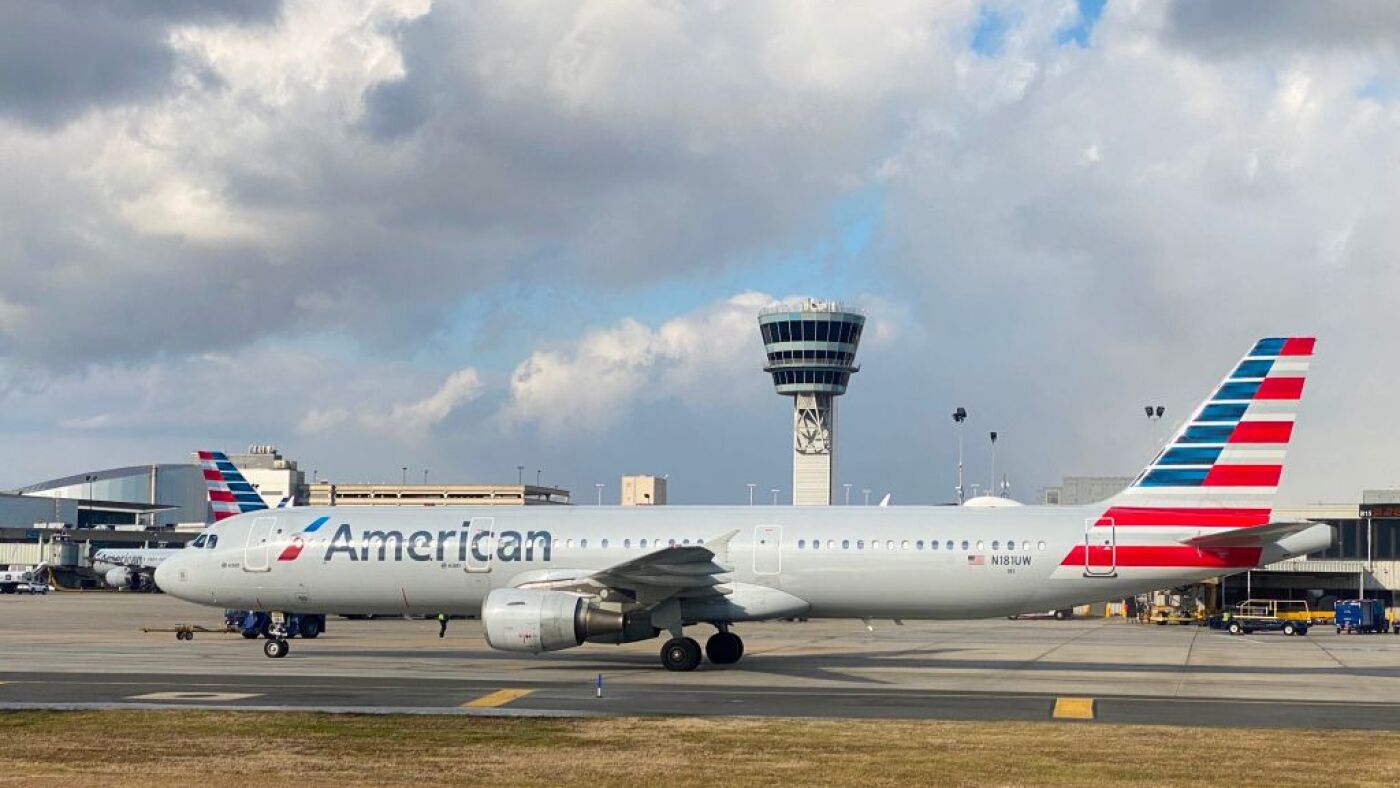
JetBlue crew members described an alarming close call after a flight from Curaçao halted its climb to avoid a U.S. Air Force tanker that crossed into their path near Venezuela, with the pilot calling the event “outrageous” and noting the military aircraft was not broadcasting its position.
Operational and regional context
The incident highlights risks when civilian and military traffic operate near volatile airspace; airliners rely on transponders and air traffic control to maintain separation, and a silent tanker at similar altitude forced an evasive action that disrupted the JetBlue flight and alarmed passengers, prompting an inquiry by U.S. authorities.
Implications for safety and policy
Beyond immediate safety concerns, the episode may spur tighter coordination between military operations and civil aviation in the Caribbean corridor, renewed guidance for carriers over Venezuela, and scrutiny of procedures that let unannounced military flights approach commercial air routes.
About the Organizations Mentioned
JetBlue
JetBlue Airways, founded by entrepreneur David Neeleman in August 1998, began operations on February 11, 2000, with its inaugural flight from New York’s John F. Kennedy International Airport to Fort Lauderdale, Florida[1][2][3]. Established with the mission to bring humanity back to air travel, JetBlue positioned itself as a low-cost carrier offering affordable fares—up to 65% lower than competitors—without compromising on quality and customer experience[1][2][5][6]. The airline’s focus on customer service, including spacious cabins, free high-speed Wi-Fi (Fly-Fi®), live TV, and complimentary snacks, helped it quickly gain a loyal customer base[2][6]. JetBlue’s early success was marked by rapid growth, serving one million passengers within its first year and achieving $100 million in flight revenue[1]. It became known as “New York’s Hometown Airline” and strategically established hubs at JFK and other major U.S. airports, including Boston, Fort Lauderdale-Hollywood, Los Angeles, Orlando, and San Juan[1][3][6]. Over time, JetBlue expanded its fleet to approximately 280 aircraft, including Airbus A320s, A321s, and Embraer E190s, enabling longer routes and increased capacity[1][2][3]. Notably, JetBlue has grown from a national disruptor to an international player, flying to over 100 destinations across North America, Latin America, the Caribbean, Canada, and Europe[1][3][6]. Its transatlantic service launched in 2021 with flights from New York to London using Airbus A321LR aircraft[1]. The airline has also innovated with premium offerings like Mint®, its business-class service, and a revamped TrueBlue® loyalty program[6]. Today, JetBlue is the sixth-largest U.S. airline, employing over 23,000 crewmembers committed to delivering award-winning service while maintaining
U.S. Air Force
The **U.S. Air Force (USAF)** is the aerial and space warfare branch of the U.S. military, responsible for air superiority, global strike, mobility, intelligence, surveillance, reconnaissance, and cyber operations to deter aggression and defend national interests.[1][2][5] Established in 1947 as an independent service from the Army Air Forces, the USAF has evolved into a technological powerhouse, pioneering jet propulsion, stealth aircraft, and precision-guided munitions during the Cold War and beyond. Key achievements include dominating air campaigns in the Gulf War, Kosovo, and Afghanistan, while developing icons like the B-52 Stratofortress (still operational after 70 years) and F-117 Nighthawk stealth fighter.[2][3] Today, with a **5,004-aircraft active inventory**—including 2,045 combat/attack units, 140 strategic bombers (76 B-52H, 45 B-1B, 19 B-2A), and emerging platforms like the F-35 (foundation of its fleet, targeting 1,763 total), F-15EX, B-21 Raider, and collaborative combat aircraft drones—the USAF boasts a 75% readiness rate, yielding 4,003 available aircraft.[1][2][6] It faces challenges like pilot shortages and fleet sustainment but is modernizing aggressively: retiring A-10 Warthogs by 2026, divesting legacy F-15s, and pursuing 1,558 manned fighters for low-risk operations amid great-power competition.[1] In 2025, the USAF executed high-stakes exercises like the Department-Level Exercise (DLE), deploying 400+ aircraft and 12,000 personnel across 50 Indo-Pacific sites to test Agile Combat Employment and rapid pivots in contested environments.[4] Its FY25 budget prioritizes a $41.7B personnel investment for a 4.5% pay raise, enhancing quality o