Judge Expands Criminal Contempt Probe Over Deportation Flights

Judge Widens Criminal Contempt Investigation
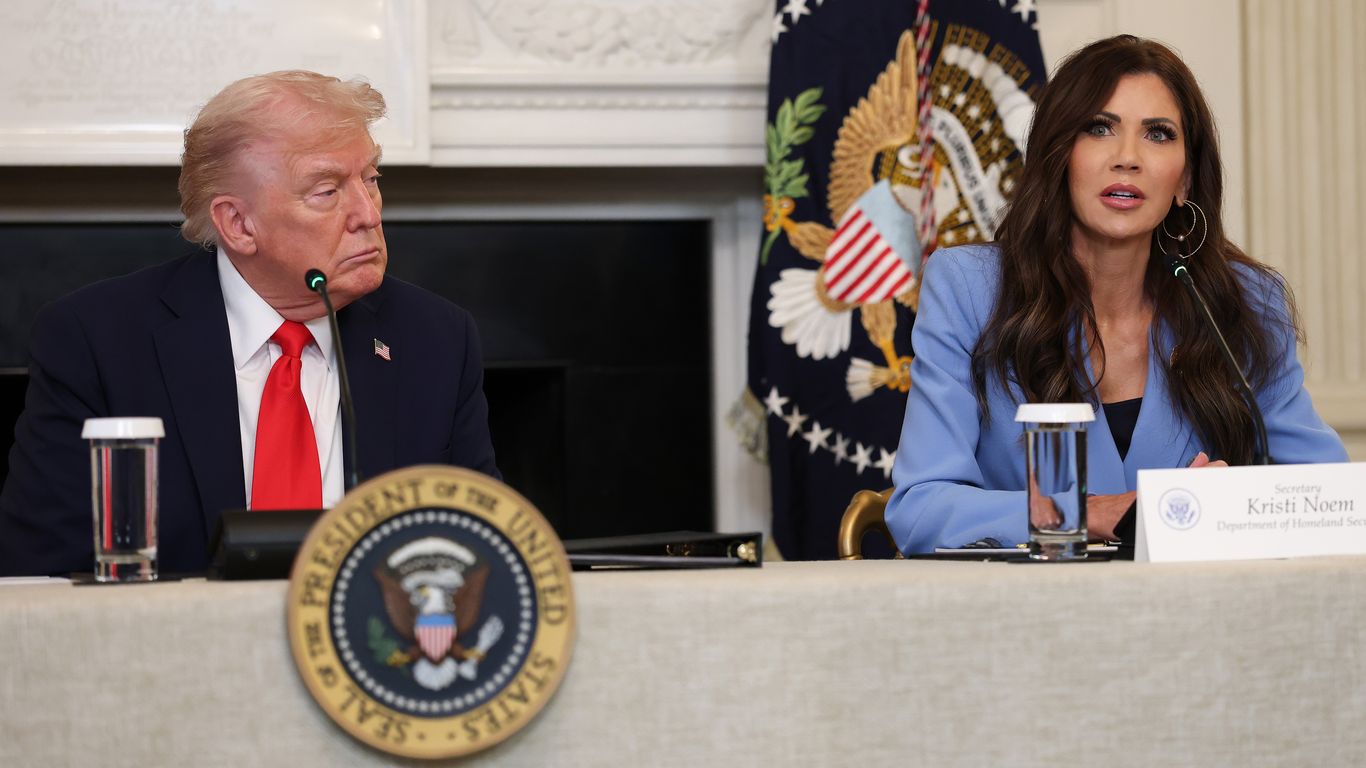
A federal judge has expanded a criminal contempt probe concerning deportation flights after Homeland Security Secretary Kristi Noem provided limited explanations regarding her role. The investigation centers on whether Noem and other officials knowingly defied a court order aimed at halting the deportation of Venezuelan men in March. Despite legal challenges and urgent court attempts to stop the flights, the deportations proceeded, raising serious questions about adherence to due process.
Legal and Administrative Context
Judge Boasberg has called for testimonies from senior Justice Department attorneys involved in the operation, signaling deep scrutiny of the administration’s decisions. Key officials, including Noem, submitted brief declarations citing privileged legal advice for their actions, which the judge described as insufficient. The inquiry also follows allegations that DOJ leaders intentionally bypassed judicial directives, intensifying concerns over executive overreach and legal accountability.
Implications for Government Transparency
This expanded probe highlights ongoing tensions between judicial authority and executive decisions in immigration enforcement. The case underscores the critical need for transparency and respect for court orders to ensure lawful deportation procedures, as the legal process continues to unfold.
About the People Mentioned
Kristi Noem
Kristi Noem is a South Dakota politician born on November 30, 1971, in Watertown, South Dakota. She grew up on a family ranch and farm in rural Hamlin County. Noem graduated from South Dakota State University with a Bachelor of Arts degree in Political Science in 2011. She began her political career in the South Dakota House of Representatives, serving from 2006 to 2010, including a stint as Assistant Majority Leader. In 2010, she was elected to the U.S. House of Representatives, representing South Dakota's at-large congressional district for four terms until 2019. In 2018, Noem made history by becoming South Dakota's first female governor. She was reelected in 2022. During her tenure as governor, Noem focused on reducing taxes, cutting regulations, and promoting economic growth. Her approach to the COVID-19 pandemic, which included not implementing statewide lockdowns or mask mandates, garnered national attention. Noem is known for her conservative stance on issues like gun rights and border security. Noem has written two books: *Not My First Rodeo: Lessons from the Heartland* (2022) and *No Going Back* (2024). In January 2025, she resigned as governor after being confirmed by the Senate as the United States Secretary of Homeland Security, the first South Dakotan to hold this position. As Secretary, she oversees a department with over 260,000 employees and a budget exceeding $100 billion. Recently, while in her role as Homeland Security Secretary, Noem was involved in a controversial incident in Los Angeles where a U.S. Senator was forcibly removed from a press conference. Despite this, she continues to be a prominent figure in U.S. politics, particularly in conservative circles.
About the Organizations Mentioned
Homeland Security
The **Department of Homeland Security (DHS)** is a U.S. federal agency established in response to the September 11, 2001 terrorist attacks, with the mission to protect the nation against a wide range of threats, including terrorism, natural disasters, cyberattacks, and immigration-related challenges. DHS’s core responsibilities include securing the borders, managing immigration enforcement, safeguarding critical infrastructure, and responding to emergencies, thereby ensuring the safety and resilience of the American people and economy[1][2]. Since its inception, DHS has evolved to address emerging threats, particularly in technology and security domains. The department integrates efforts across federal, state, and local levels and partners with private and non-profit sectors to enhance national security infrastructure. A key focus has been on adapting to modern risks such as cyber intrusions, drone threats to critical infrastructure, and disruptions to supply chains—all vital concerns for business and technology sectors[2]. Notable achievements of DHS include strengthening border security operations, advancing cybersecurity protocols, and improving disaster response coordination. For example, recent initiatives have expanded the authority of federal law enforcement agencies beyond traditional immigration roles to more effectively manage border security and immigration enforcement under the current administration, reflecting ongoing policy shifts tied to national priorities[1]. Looking to the future, strategic discussions around DHS emphasize innovation in technology and integrated threat management. Experts envision a homeland security landscape increasingly influenced by advanced surveillance, unmanned systems, and digital defense mechanisms aimed at countering sophisticated threats in 2025 and beyond[2]. Currently, DHS remains a central pillar in U.S. national security, continually adapting to political, technological, and global developments. It operates under evolving mandates that balance civil liberties with security imperatives, making it a dynamic and often debated organization in the intersection of governance, technology, and public safety[1][2].
Justice Department
The United States Department of Justice (DOJ) is the principal federal agency responsible for enforcing federal laws, ensuring public safety, and protecting civil rights. Headquartered in Washington, D.C., the DOJ operates under the leadership of the Attorney General, who serves as a key member of the President’s Cabinet. As of 2025, Pam Bondi holds this position, having taken office in February and quickly shaping the department’s priorities. Established in 1870 during President Ulysses S. Grant’s administration, the DOJ’s roots trace back to the creation of the Attorney General’s office in 1789. Over the years, it has grown into a vast organization with more than 115,000 employees and over 40 component agencies, including the Federal Bureau of Investigation (FBI), Drug Enforcement Administration (DEA), and U.S. Marshals Service. The DOJ also houses specialized divisions for criminal, civil, antitrust, tax, civil rights, and national security matters, and oversees 94 U.S. Attorney offices nationwide. The DOJ’s mission centers on upholding the rule of law, safeguarding national security, and defending civil liberties. In 2025, the department has shifted its enforcement focus, prioritizing areas such as healthcare fraud, customs and tariff evasion, and corporate misconduct, especially involving foreign adversaries and financial gatekeepers. Recent policy changes have emphasized efficiency in investigations and reduced reliance on corporate compliance monitors, reflecting a broader effort to minimize regulatory burdens on businesses. Notably, the DOJ has also been tasked with reviewing past government conduct to address concerns about the “weaponization” of federal agencies, ensuring accountability and restoring public trust. For business and technology leaders, the DOJ’s evolving priorities—particularly in areas like cybersecurity, antitrust, and international trade—have significant implications for compliance, risk management, and corporate governance.