Kamala Harris Signals 2028 Presidential Ambitions

Kamala Harris Signals 2028 Presidential Ambitions
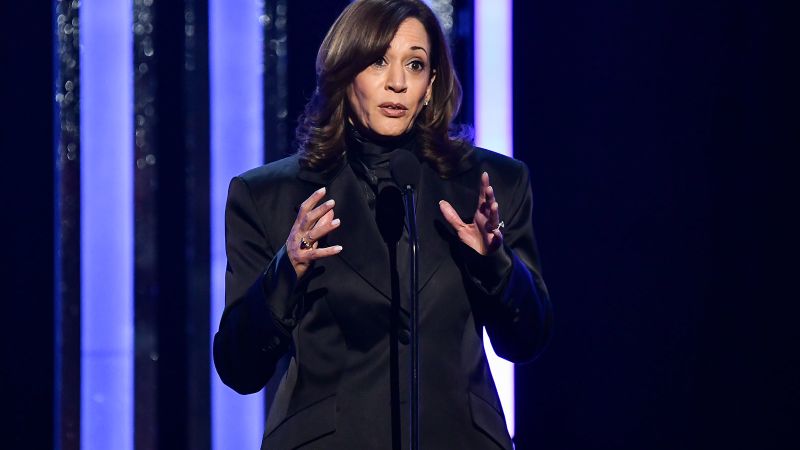
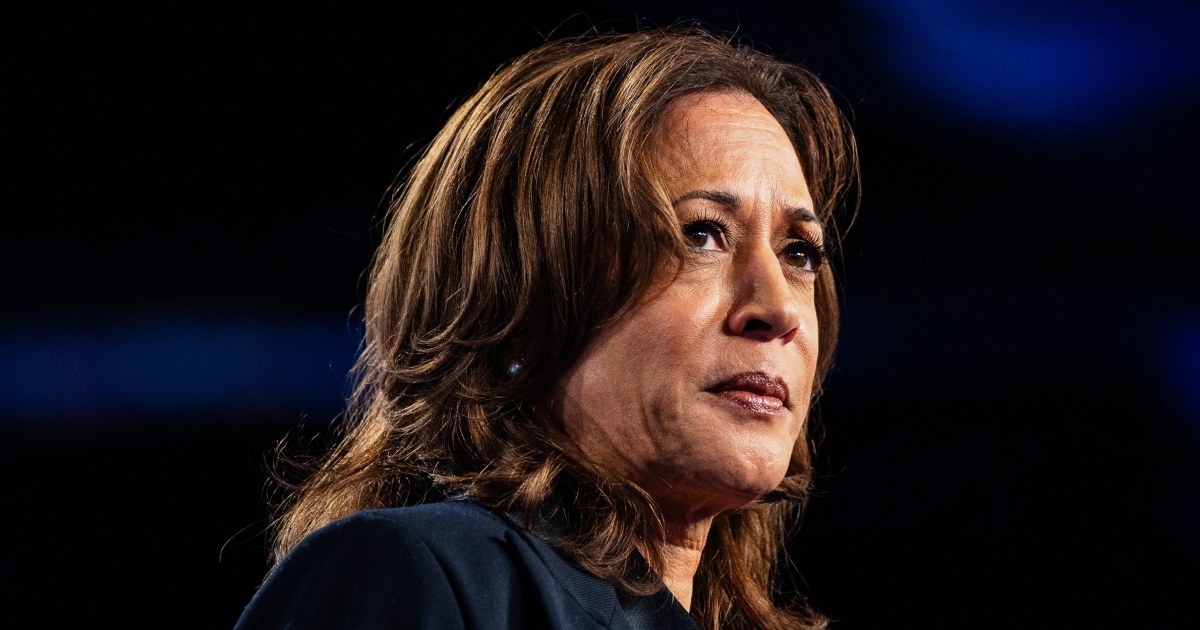
In a recent interview with the BBC, Kamala Harris hinted that she may run for president again in 2028, stating, "I am not done." This marks a significant moment as Harris, the former vice president, keeps her political future open amid growing speculation about the next Democratic primary race.
Context and Public Reception
Harris’s comments come as the 2028 presidential election begins to take shape, with polls showing her as a leading figure among Democratic contenders. Analysts note her experience and national profile position her well for another campaign, potentially reshaping the party’s direction. Her announcement energizes supporters who see her as a strong candidate to build on the current administration’s legacy.
Looking Ahead to 2028
The 2028 election, scheduled for November 7, is already attracting attention with multiple prominent Democrats considering a run. Harris’s possible candidacy is expected to influence the dynamics of the race, as voters weigh her record and vision for the future of the country.
About the People Mentioned
Kamala Harris
Kamala Devi Harris was born on October 20, 1964, in Oakland, California, and served as the 49th Vice President of the United States from 2021 to 2025 under President Joe Biden.[1] She made history as the first woman, first Black American, and first South Asian American to hold the office of Vice President.[1][2] Harris began her legal career as a deputy district attorney in Oakland from 1990 to 1998, where she specialized in prosecuting gang violence, drug trafficking, and sexual abuse cases.[1] She rose through the ranks to become District Attorney of Oakland in 2004, where she became a national leader in LGBTQ+ rights and established innovative programs, including one that provided first-time drug offenders opportunities to earn high school diplomas and find employment—a program designated as a national model by the U.S. Department of Justice.[2][4] In 2010, Harris was elected Attorney General of California, becoming the first woman and first Black American to hold that position.[1] She served in this role until 2017, when she was elected to the U.S. Senate, becoming only the second Black woman ever elected to the Senate.[6] During her Senate tenure, she championed legislation on hunger relief, maternal health care, climate action, and infrastructure while serving on the Judiciary and Intelligence committees.[3] As Vice President, Harris worked on addressing migration from Latin America, protecting voting rights, and preserving access to abortion following the 2022 Supreme Court Dobbs decision.[1] She cast the decisive vote for the Inflation Reduction Act, the largest climate investment in history, and presided over the confirmation of Justice Ketanji Brown Jackson to the Supreme Court.[3][4] Harris visited 36 states and made 17 foreign trips to 21 countries, meeting with over 150 world leaders.[2] On July 21, 2024, Harris announced her presidential campaign after President Biden withdrew from the race.[4] She became the Democratic Party's nominee on August 5, 2024, making history as the first Black woman and first South Asian woman nominated for president by a major U.S. political party.[4] She was defeated by Donald Trump in the November 2024 election.
About the Organizations Mentioned
BBC
## Overview The British Broadcasting Corporation (BBC) is the world’s oldest and largest national broadcaster, serving as a cornerstone of public service media in the United Kingdom and beyond[1][2]. Headquartered in London, the BBC operates under a royal charter and is primarily funded by a television licence fee paid by UK households, ensuring its editorial independence from both government and commercial interests[1][2]. This model allows the BBC to fulfill its mission to “inform, educate, and entertain” with impartiality at its core[3]. ## History and Evolution The BBC was founded on October 18, 1922, as the British Broadcasting Company Ltd., evolving into a public corporation under royal charter on January 1, 1927[1][2]. Its first Director-General, John Reith, established principles of independence and public service that continue to guide the organization. The BBC launched its television service in 1936, pioneering broadcasting technology, and expanded globally with the BBC World Service in 1932, now broadcasting in 28 languages[1][2]. ## Key Achievements The BBC has been a trailblazer in broadcasting, introducing innovations such as regular television broadcasts, color TV, and digital platforms like BBC iPlayer[1][2]. It has earned a reputation for high-quality journalism, producing globally recognized programs in news, drama, and documentary. The BBC’s international arm, BBC Studios, commercializes content worldwide, while the BBC World Service remains a vital source of news in regions with limited press freedom[1]. The corporation has received numerous accolades, including the Queen’s Award for Enterprise for its international business achievements[1]. ## Current Status and Digital Transformation With over 21,000 employees, the BBC remains a dominant force in media, generating £5.4 billion in annual income, mostly from licence fees[2]. It operates multiple TV channels, radio stations, and a robust online presence, including BBC News Online and BBC.com[1