Louvre Flooding: Pipe Burst Damages Art and Books
Flooding Incident at the Louvre
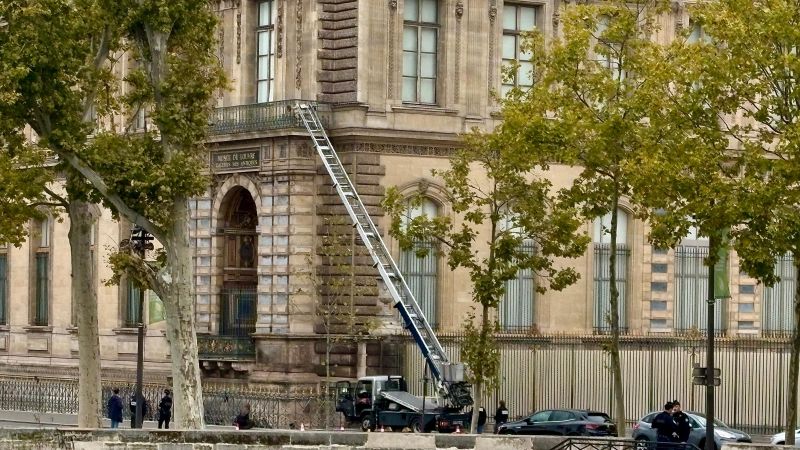
The Louvre Museum in Paris faced a serious setback when a pipe burst, causing flooding that damaged hundreds of valuable works. According to the museum’s deputy general administrator, the incident occurred in late November 2025 and primarily affected the Egyptian antiquities section. This unexpected water leak disrupted the museum’s operations and raised concerns about preservation efforts.
Extent of the Damage
Among the damaged items were rare artifacts and hundreds of books, which suffered from water exposure. The flood compounded recent challenges at the Louvre, coming just months after a widely publicized jewelry theft. Conservation teams are now working urgently to assess and mitigate the damage, prioritizing the most vulnerable pieces to prevent further deterioration.
Implications for Museum Security and Preservation
This incident highlights the ongoing vulnerabilities even in world-renowned institutions like the Louvre. It underscores the importance of robust infrastructure and emergency preparedness to protect cultural heritage from unexpected disasters, ensuring these treasures remain safe for future generations.
About the Organizations Mentioned
Louvre Museum
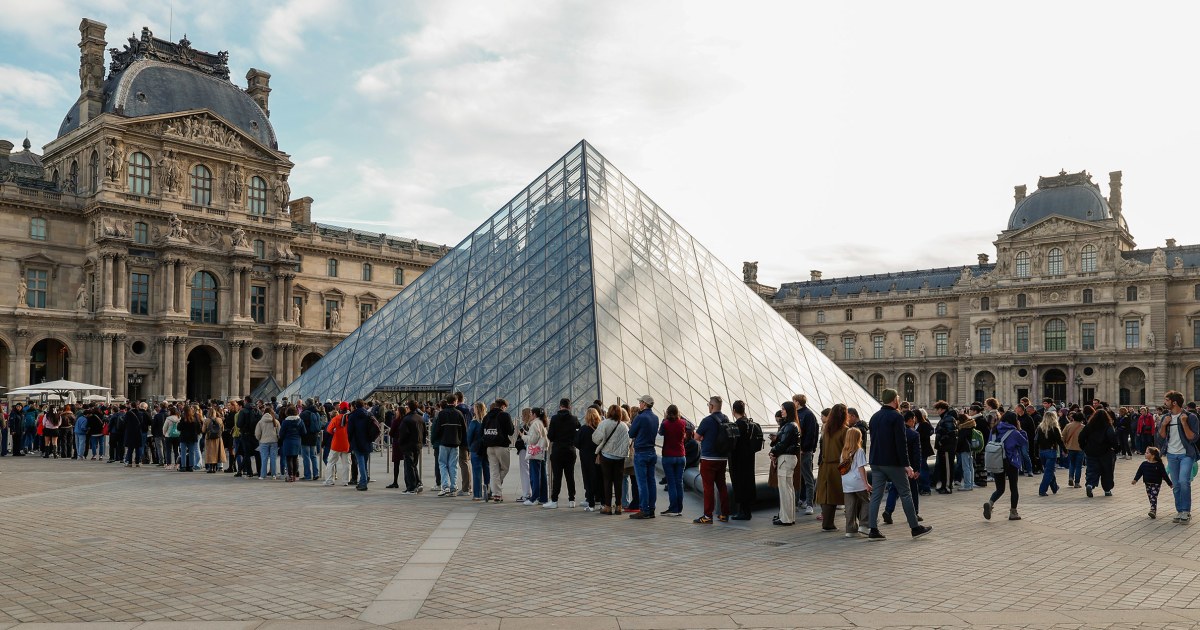
The Louvre Museum, located in Paris, France, is one of the world's most renowned and largest art museums. It serves as a cultural institution, showcasing a vast collection of artworks and artifacts from around the globe, spanning nearly two millennia. The museum's history is deeply intertwined with the French monarchy, beginning as a fortress in the 12th century and later transformed into a royal palace by Francis I in the 16th century[3]. Over the centuries, the Louvre underwent significant transformations. In 1682, Louis XIV moved the royal residence to Versailles, leaving the Louvre to fall into disrepair until it was repurposed as a public museum during the French Revolution in 1793[2][3]. Under Napoleon, the museum expanded its collection through wartime acquisitions, though many pieces were later returned[1][7]. The museum continued to grow, with significant additions during the Second French Empire and through donations and bequests since the Third Republic[1]. Today, the Louvre features over 500,000 objects, with about 35,000 works displayed across eight departments, including Egyptian Antiquities, Islamic Art, and Paintings[1]. It attracts millions of visitors annually, making it the most visited museum globally[1][3]. The museum's current status as a cultural icon is underscored by its extensive collection and its role in promoting art education and preservation. Notable aspects of the Louvre include its stunning architecture, such as the iconic glass pyramid, and the presence of some of the world's most famous artworks, like the Mona Lisa[4]. The museum's technological advancements and digital initiatives have also enhanced visitor experiences, making it a leader in the intersection of art and technology. Despite its historical roots, the Louvre remains a vibrant and evolving institution, engaging with contemporary art and culture while preserving its rich heritage.