US Shifts From Utopian Idealism to Pragmatic Defense Strategy

End of U.S. Utopian Idealism
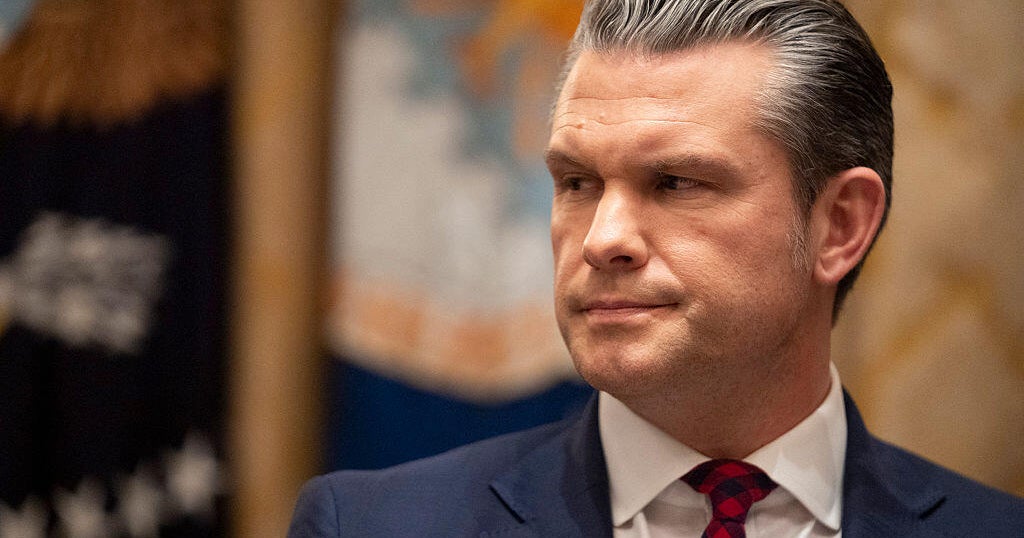
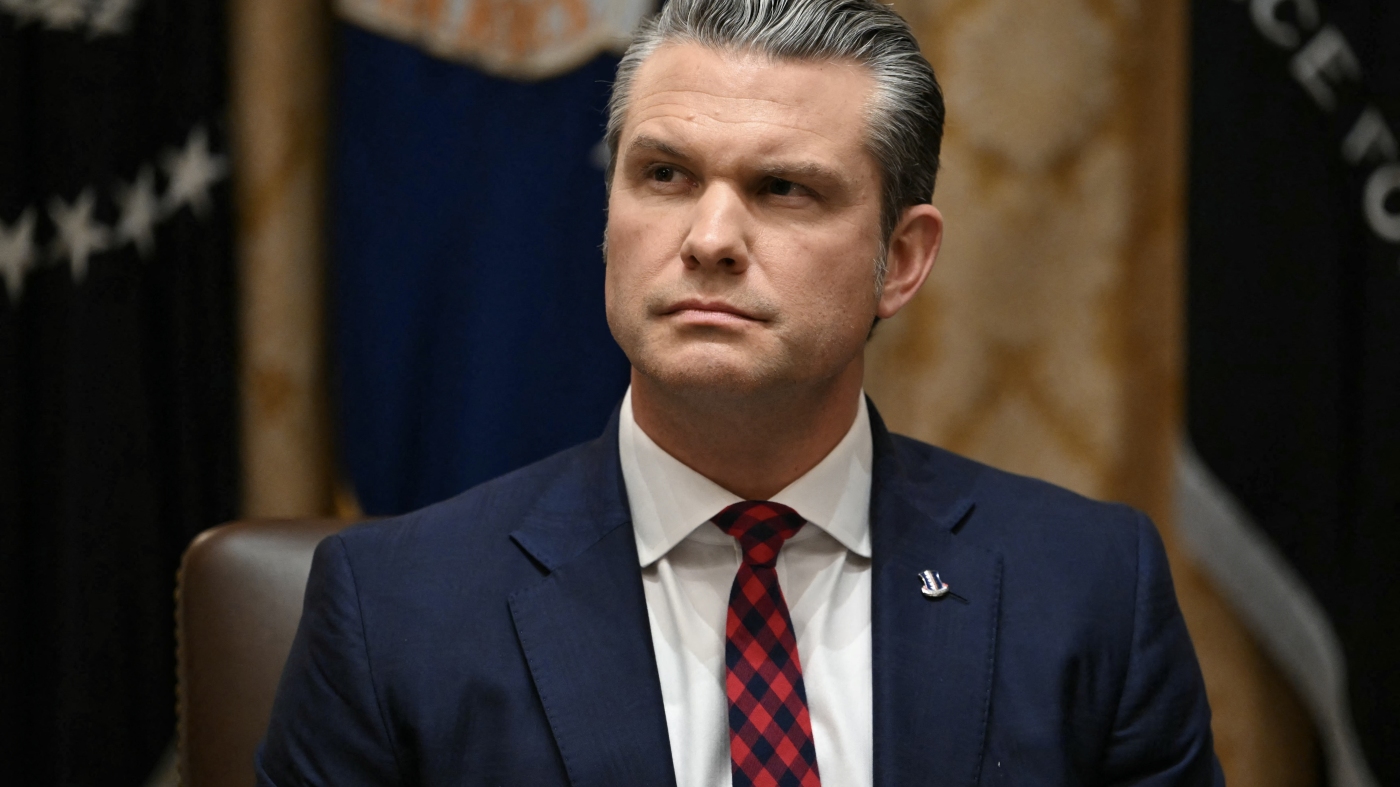
At the Reagan Defense Forum, Defense Secretary Pete Hegseth announced a decisive shift away from decades of American utopian idealism. Emphasizing realism over global nation-building, Hegseth outlined a bold new military strategy focused primarily on protecting the Western Hemisphere. This marks a significant recalibration of U.S. priorities, moving away from prolonged foreign interventions toward more direct and pragmatic defense initiatives.
Refocusing Defense Priorities
The new strategy stresses reasserting U.S. dominance in its own hemisphere while scaling back involvement in distant conflicts. Hegseth highlighted the need to confront emerging global competitors, notably China, through enhanced military strength rather than diplomatic idealism. This approach also involves reevaluating traditional alliances, especially with European partners, to better align with current geopolitical realities.
Implications for National Security
By prioritizing hemispheric security and military readiness, the strategy signals a tougher stance on threats such as drug cartels and rivals employing asymmetric tactics. It also underscores a willingness to expand nuclear capabilities to maintain strategic parity. This comprehensive shift reflects a pragmatic focus on American security interests over broader ideological ambitions.
About the People Mentioned
Pete Hegseth
Pete Hegseth is an American government official, author, and former television personality. Born on June 6, 1980, he graduated from Princeton University in 2003 and later earned a master's degree in Public Policy from Harvard University's John F. Kennedy School of Government in 2013[1][4]. Hegseth was commissioned as an infantry officer in the Minnesota Army National Guard, serving in Guantanamo Bay, Iraq, and Afghanistan. He received several military awards, including two Bronze Star Medals and the Combat Infantryman Badge[3][4]. After his military service, Hegseth worked with organizations such as Vets for Freedom and Concerned Veterans for America, where he served as executive director and CEO, respectively[1][7]. He became a contributor to Fox News in 2014 and later co-hosted *Fox & Friends Weekend* from 2017 to 2024[1][5]. Hegseth has written several books, including *American Crusade* and *The War on Warriors*, the latter being a New York Times bestseller[3][5]. In November 2024, Hegseth was nominated by President-elect Donald Trump to be the Secretary of Defense. He faced a contentious confirmation process, with allegations of misconduct and financial issues. Despite these challenges, Hegseth was confirmed by the Senate on January 25, 2025, with Vice President JD Vance casting a tie-breaking vote[1][2]. As Secretary of Defense, Hegseth has been involved in several significant events, including ordering budget cuts and firing top military officers to "focus our military on its core mission"[2]. He has also been at the center of controversy regarding the use of the Signal messaging app for sharing sensitive information[2]. In September 2025, Hegseth addressed senior military leaders, emphasizing the need for tighter fitness standards and opposition to certain policies he termed "woke garbage"[1].
About the Organizations Mentioned
Reagan Defense Forum
The Reagan National Defense Forum (RNDF) is a premier annual event convened by the Ronald Reagan Presidential Foundation & Institute, aimed at fostering bipartisan dialogue on strengthening America's national defense. Established in 2013, RNDF brings together a diverse array of key stakeholders including Members of Congress, senior military leaders, former administration officials, defense industry executives, technology innovators, and thought leaders. Its core mission is to review and assess defense policies in the context of evolving global threats, providing a platform to debate strategies that ensure U.S. leadership amid complex security challenges[1][3]. Held at the Ronald Reagan Presidential Library in Simi Valley, California, RNDF serves as a critical forum where government and industry leaders collaborate on issues such as deterrence, innovation, force modernization, and defense budgeting. The event has become recognized for its robust engagement, featuring over 30 Members of Congress and dozens of private sector leaders who influence defense policy and industrial base priorities. Notable participants have included senior military officials like the Chairman of the Joint Chiefs of Staff, defense CEOs, and prominent policymakers[1][3][5]. Key achievements of RNDF include advancing bipartisan support for defense initiatives such as nuclear modernization and shipbuilding programs, which provide budgetary certainty crucial for long-term strategic planning and industry confidence. The Forum has also contributed to shaping the national conversation around "peace through strength," a theme consistently emphasized since its inception, reflecting Ronald Reagan's defense philosophy[1][2][6]. In addition to the main forum, the RNDF is linked to educational initiatives like the National Defense Fellowship, which educates future leaders on defense policy fundamentals through boot camps and participation in the Forum itself[4]. Currently, RNDF continues to be a highly influential event, attracting top-level engagement annually and maintaining its reputation as a nonpartisan, authoritative venue for addressing America's defense priorities. Its combination of policy discussion, technological innovation, and leadership networking makes it a vital institution for those interested in defense