M5 MacBook Air: Modest Refresh with Major Performance Gains

M5 MacBook Air: A Modest Refresh on the Horizon
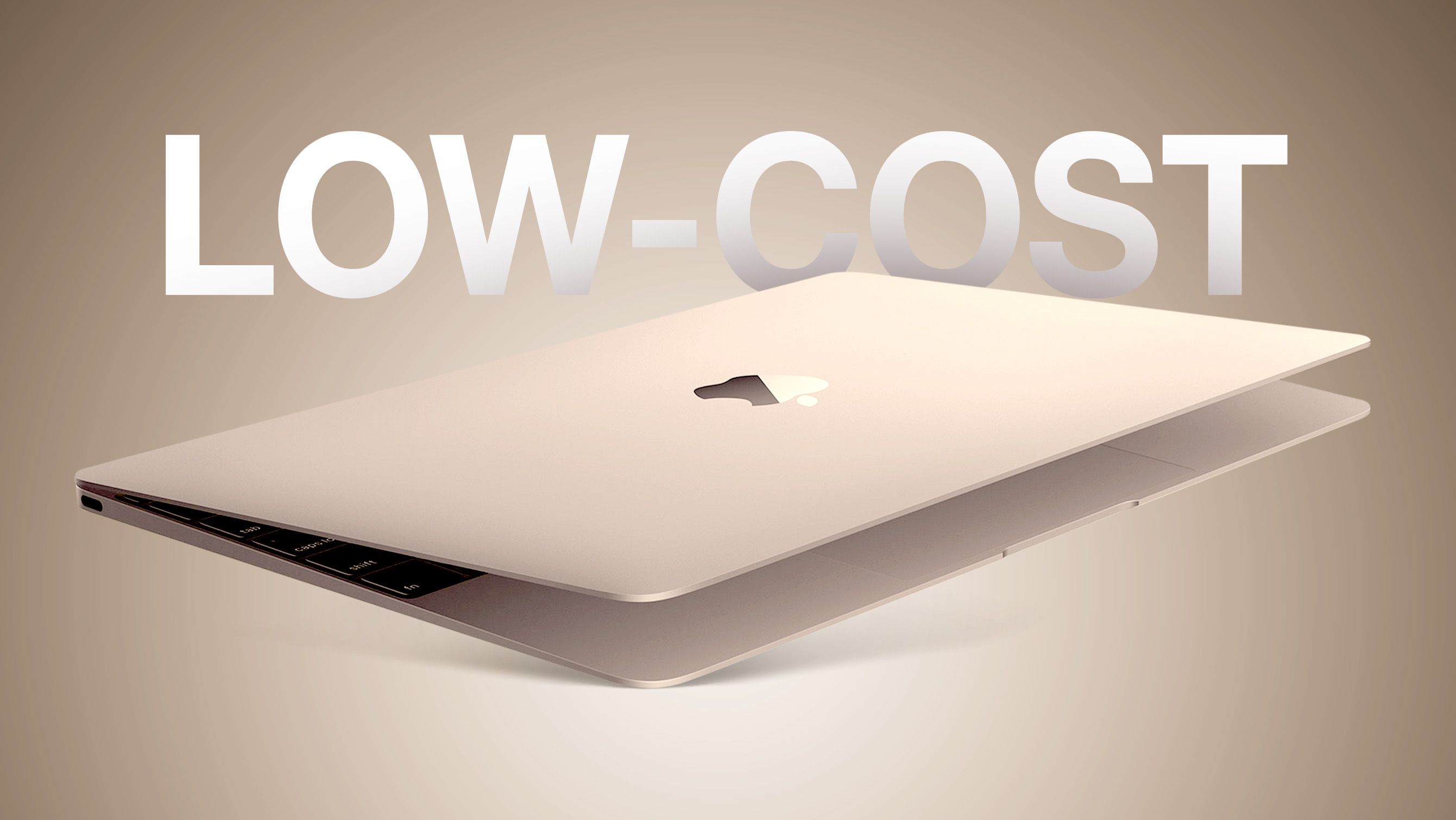
Apple's upcoming M5 MacBook Air, slated for early 2026, appears poised to deliver a straightforward spec bump rather than revolutionary changes, mirroring patterns seen in recent iPad Pro and iPhone 17 Pro launches where performance took center stage[1][3][4]. Retaining the familiar 13- and 15-inch chassis from the M4 models, this update promises a potent M5 chip with up to 15% faster CPU and 45% improved GPU performance over its predecessor, alongside enhanced memory bandwidth for smoother multitasking and AI tasks[2][3]. Battery life could extend further while keeping the fanless design intact[2].
Key Upgrades and Persistent Design
Benchmarks highlight the M5's 10-core CPU and enhanced Neural Engine, ideal for demanding workflows without altering the slim profile or adding new sizes[3][4]. Storage starts at 256GB with optional 512GB, and RAM at 16GB, maintaining accessibility for everyday users[2][4]. Colors may echo vibrant iPad-inspired options, but no major connectivity overhauls are rumored[1].
The One Upgrade Fans Crave: OLED Display
Amid these incremental gains, one standout desire persists: an OLED display for superior contrast and blacks, akin to future MacBook Pro plans[4][5]. While the M5 Air skips this for now, prioritizing affordability, its arrival could still tempt upgraders seeking efficiency without extravagance[1][7].
About the Organizations Mentioned
Apple
Apple Inc. is a leading American multinational technology company known for pioneering personal computing, mobile devices, and software ecosystems. Founded in 1976 by Steve Jobs and Steve Wozniak, Apple revolutionized technology with the first commercially successful personal computer and mainstream adoption of the graphical user interface (GUI), setting new standards in product design, user experience, and seamless integration across devices[2]. Headquartered in Cupertino, California, Apple’s product lineup includes the iPhone, iPad, Mac computers, Apple Watch, AirPods, and services such as the App Store, Apple Music, and iCloud. The company has built a vast ecosystem that enables third-party developers to expand product functionalities, strengthening its market dominance. Apple is widely recognized for its innovation in hardware, software, and services, with an emphasis on aesthetics and privacy. In 2025, Apple committed to its largest-ever investment initiative, pledging $600 billion over four years in the United States to boost manufacturing, research and development, and advanced technology sectors like artificial intelligence (AI) and silicon engineering[1][3]. This includes new manufacturing facilities, expanded R&D centers, and a program called the American Manufacturing Program (AMP) to encourage domestic production of critical components. These efforts support over 450,000 U.S. jobs and aim to establish a robust supply chain within the country[3]. Financially, Apple remains a powerhouse with a market capitalization of $3.84 trillion and annual revenue exceeding $400 billion. However, in 2025, it faced challenges including a 19% decline in stock value, intensified regulatory scrutiny from the U.S. Department of Justice over antitrust issues, legal disputes related to the App Store, and competitive pressure in AI technology[1][2]. Despite these hurdles, Apple continues to innovate, recently updating its software platforms with a unified "Liquid Glass" design and expanding its AI-driven personal assistant, Apple Intelligence[1]. Under CEO Tim Cook’s leadership, Apple balances technological advancement