Crisis at the Kennedy Center: Trump's Shock Closure Plan

Crisis at the Kennedy Center: Trump's Shock Closure Plan
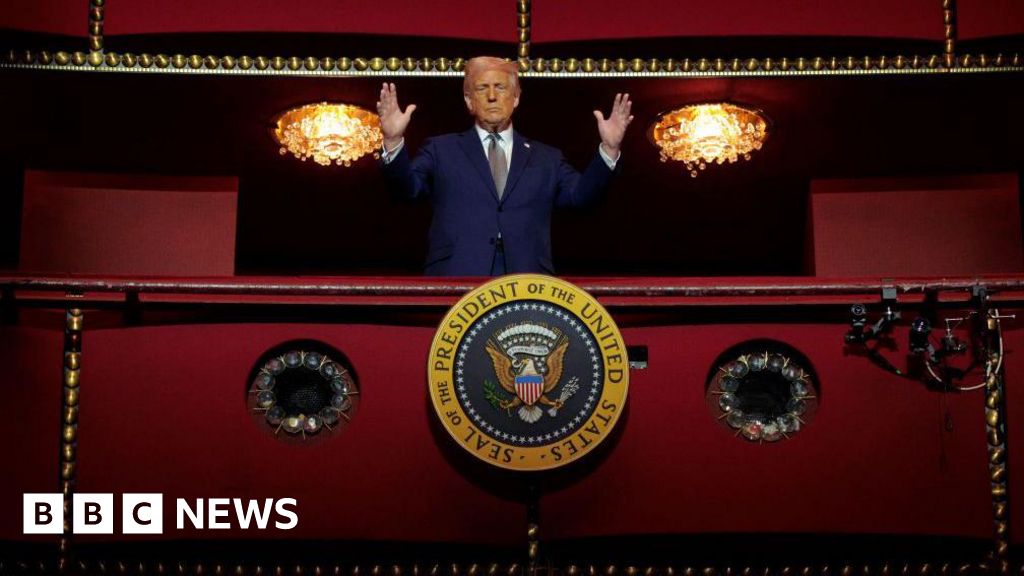
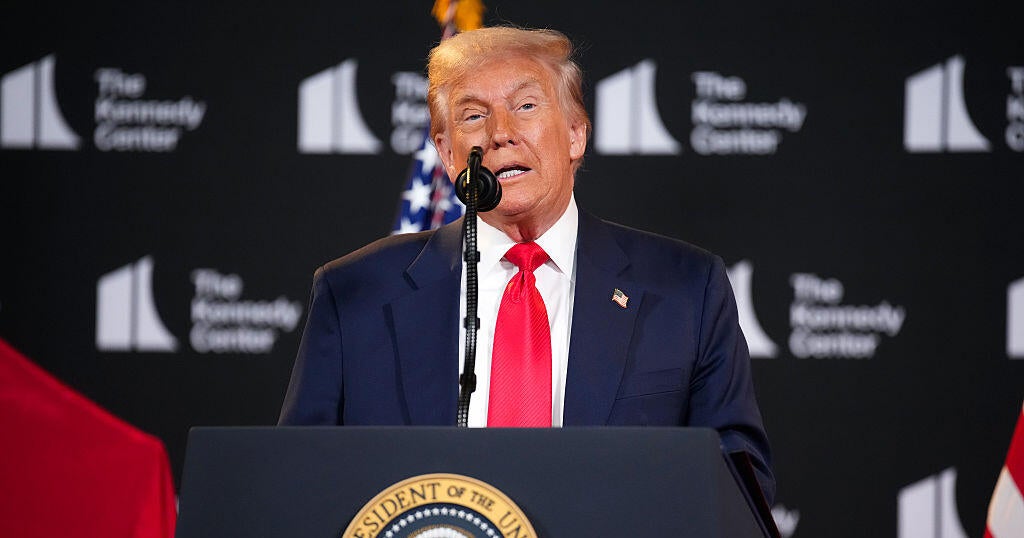
President Trump's abrupt announcement to shutter the Kennedy Center for two years starting July 4, 2026, has ignited a firestorm in Washington's cultural scene. Dubbed the "Trump Kennedy Center," the venue faces a complete rebuild costing around $200 million, with Trump touting it as a path to becoming the world's finest performing arts hub. Yet, artists and staff reel from the fallout of his earlier name change and leadership overhaul.[1][2][3]
Backlash from Artists and Cancellations
High-profile pullouts define the crisis: composer Philip Glass withdrew his Symphony No. 15 'Lincoln,' citing clashing values, while the Washington National Opera relocated performances. Dwindling ticket sales and no Black History Month events compound the turmoil, following abrupt exits like the artistic programming head. Maria Shriver's satirical jab mocked the move as deflection from boycotts.[1][3][4]
Renovation or Political Maneuver?
Trump insists the dilapidated facility needs total revitalization, fully financed and steel-checked for safety. Critics, including Kennedy family members and lawmakers like Rep. Joyce Beatty—who sued over the renaming—see it as overreach. As Congress debates authority, the arts community braces for a cultural void.[1][2][3]
About the People Mentioned
Donald Trump
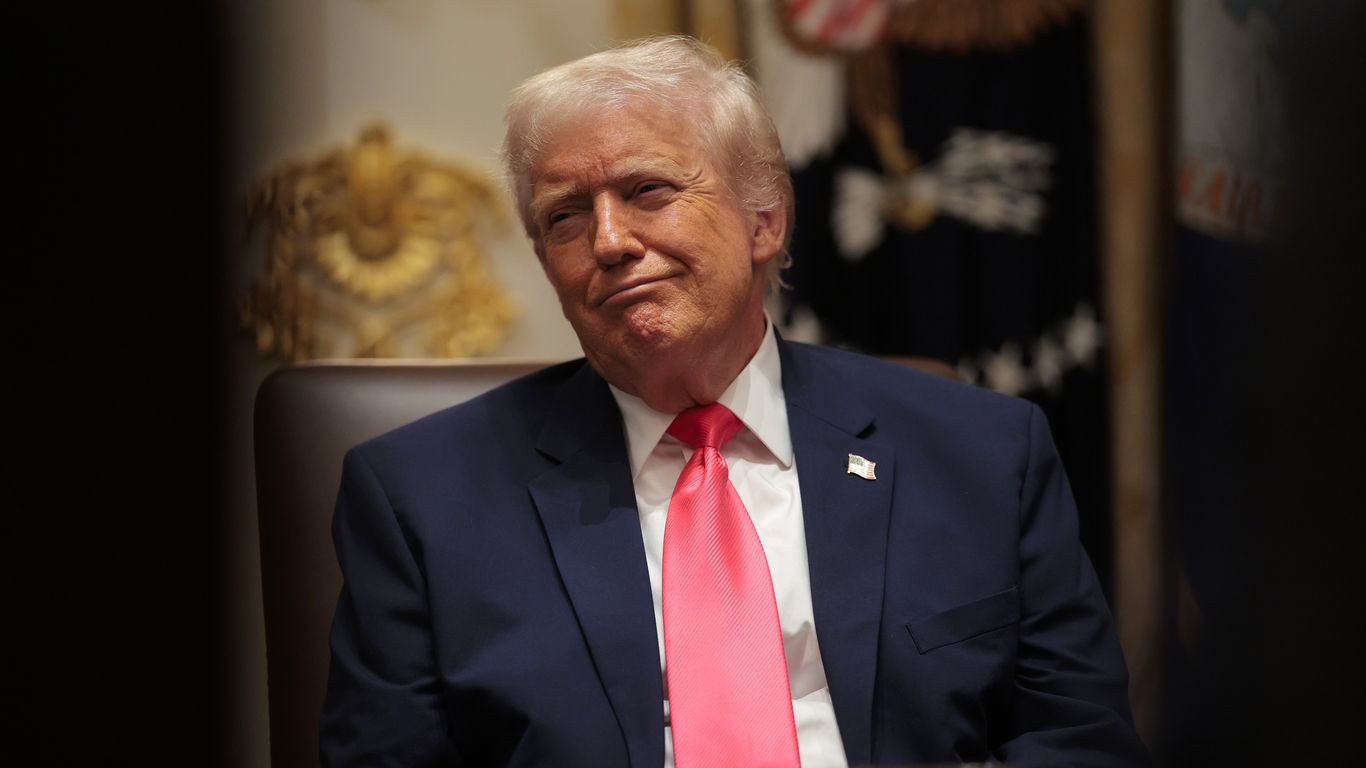
Donald John Trump, born June 14, 1946, in Queens, New York, is an American businessman, media personality, and politician. He graduated from the University of Pennsylvania’s Wharton School in 1968 with a degree in economics. In 1971, he took over his family’s real estate business, renaming it the Trump Organization, through which he expanded into building and managing skyscrapers, hotels, casinos, and golf courses. Trump gained widespread fame as the host of the reality TV show *The Apprentice* from 2004 to 2015, which helped establish his public persona as a successful entrepreneur. Trump entered politics as a Republican and was elected the 45th president of the United States, serving from 2017 to 2021. His presidency was marked by significant policy actions including tax cuts, deregulation, the appointment of three Supreme Court justices, renegotiation of trade agreements (notably replacing NAFTA with the USMCA), and a focus on immigration control including border wall expansion. He withdrew the U.S. from international agreements such as the Paris Climate Accord and the Iran nuclear deal, and engaged in a trade war with China. His administration’s response to the COVID-19 pandemic was criticized for downplaying the virus’s severity. Trump was impeached twice by the House of Representatives—first in 2019 for abuse of power and obstruction, and again in 2021 for incitement of insurrection—but was acquitted by the Senate both times. After losing the 2020 election to Joe Biden, Trump challenged the results, culminating in the January 6, 2021, Capitol riot. He remains a central figure in American politics, having won the 2024 presidential election and returned as the 47th president in 2025, continuing to promote policies aimed at economic growth, border security, and military strength[1][2][3][4].
About the Organizations Mentioned
Kennedy Center
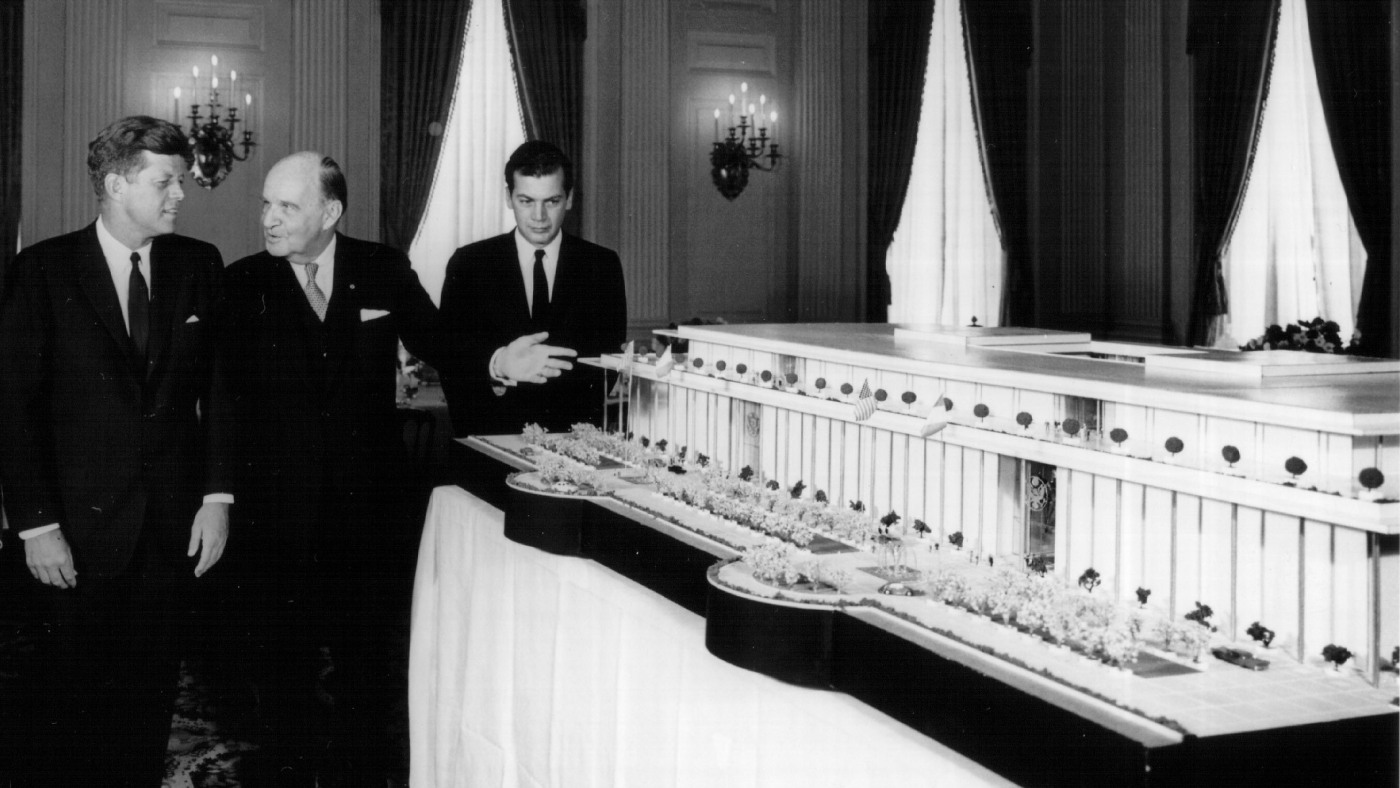
The **John F. Kennedy Center for the Performing Arts** is the United States' national cultural center, located on the Potomac River in Washington, D.C., and serves as a living memorial to President John F. Kennedy. Established by an Act of Congress in 1964 and opened in 1971, the Kennedy Center presents a diverse range of performing arts including classical and contemporary music, opera, drama, dance, jazz, pop, and folk music, showcasing both American and international artists[1][2][4]. It is the official home of the National Symphony Orchestra and the Washington National Opera[2][3]. The center operates as a public-private partnership, funded largely through private donations, ticket sales, and corporate gifts, with federal funding designated primarily for building maintenance and operations[2]. Architect Edward Durell Stone designed the original building, characterized by its monumental white marble façade and grand interior spaces such as the 630-foot Grand Foyer and the acoustically renowned Concert Hall with a seating capacity of 2,460[2][3]. A significant recent development is **The REACH**, an expansion opened in 2019 designed by Steven Holl Architects. This addition transforms the center into a “living theater” by providing flexible indoor and outdoor spaces for rehearsal, education, and community engagement, blending architecture with landscape. The REACH includes art studios, performance spaces, and a reflective landscape honoring JFK’s legacy through symbolic elements like a grove of 35 ginkgo trees and a reflecting pool inspired by his WWII boat, PT109[1][5]. The Kennedy Center also offers extensive educational and outreach programs aimed at cultural enrichment and diversity, maintaining a commitment to artistic excellence[4]. Its venues are available for public and private events, and it features dining options and art-themed retail shops[3]. As of 2025, the center’s leadership includes President Andy Pharoah and Artistic Director Francesca Zambello, continuing its role as
Washington National Opera
**Washington National Opera (WNO)** is a premier U.S. opera company dedicated to producing world-class performances that blend extraordinary music with compelling theater, fostering artistic innovation and community engagement at the Kennedy Center in Washington, D.C.[1][2] Founded in 1956 as the Washington Opera, WNO evolved into a powerhouse over seven decades, renamed by act of Congress in 2004. Plácido Domingo's transformative tenure as artistic and general director (1995-2011) elevated its profile: he expanded productions from seven to ten annually, starred and conducted, and introduced stars like Renée Fleming and Anna Netrebko. Innovations included NPR live recordings, a Japan tour, the Domingo-Cafritz Young Artist Program, and pioneering simulcasts—starting with *Porgy and Bess* on the National Mall in 2005, drawing 13,000 attendees, evolving into the family-friendly M&M’s Opera in the Outfield at Nationals Park.[2] Key achievements spotlight WNO's bold vision. Francesca Zambello's "American Ring" cycle reimagined Wagner's epic with American iconography and environmental themes, earning global acclaim for its dramatic cohesion, stunning visuals (gods as corporate moguls, Valkyries as paratroopers), and orchestral triumph; San Francisco Opera will stage it in 2028.[1] Since 2012, the American Opera Initiative (AOI) has commissioned over 55 new works by emerging composers, with many achieving national productions.[1][3] Financial woes in the late 2000s led to a 2011 merger with the Kennedy Center, stabilizing operations but reducing seasons to five operas post-COVID, amid a shift toward musicals.[3] Today, WNO thrives under new music director Robert Spano (starting September 2025), with vibrant 2025-26 seasons featuring stars like Jennifer Rowley and J’Nai Bridges in the Kenned
Congress
The United States Congress is the legislative branch of the federal government, playing a pivotal role in shaping the nation's policies and laws. As a bicameral legislature, it consists of the House of Representatives and the Senate, each with distinct responsibilities. The House represents congressional districts, while the Senate represents states, ensuring diverse perspectives are heard. **History and Structure:** Congress has a rich history, evolving over time to reflect the nation's demographic changes and political shifts. It is structured into committees that specialize in various policy areas, facilitating the legislative process. The National Archives and Records Administration maintains historical records of Congress, highlighting its ongoing role in governance. **Key Achievements:** Throughout its history, Congress has achieved numerous milestones, including landmark legislation such as the Civil Rights Act and the Affordable Care Act. It has also played a significant role in shaping the nation's economic policies, influencing business and technological advancements. **Current Status:** The 119th Congress, which convened in January 2025, marks significant changes with a Republican majority in both chambers. This setup has implications for policy-making, especially in areas like healthcare and technology regulation. The current Congress is also notable for its diversity, being the most racially and ethnically diverse in history. **Notable Aspects:** - **Diversity and Representation:** The 119th Congress is the most diverse in U.S. history, with increased representation from diverse ethnic backgrounds and the inclusion of the first openly transgender federal legislator. - **Technological Integration:** Congress uses technology to enhance legislative processes, such as through platforms like Congress.gov, which provides access to legislative information and resources. - **Economic Impact:** Congress's decisions have profound impacts on business and technology sectors, influencing regulatory environments and investment opportunities. In summary, the U.S. Congress is a dynamic institution that plays a crucial role in shaping the nation's policies, laws, and economic landscape. Its ongoing evolution reflects the changing needs and demographics of the country, making it a vital