Mangione Evidence Battle Could Decide High-Profile Manhattan Murder Trial
Introduction
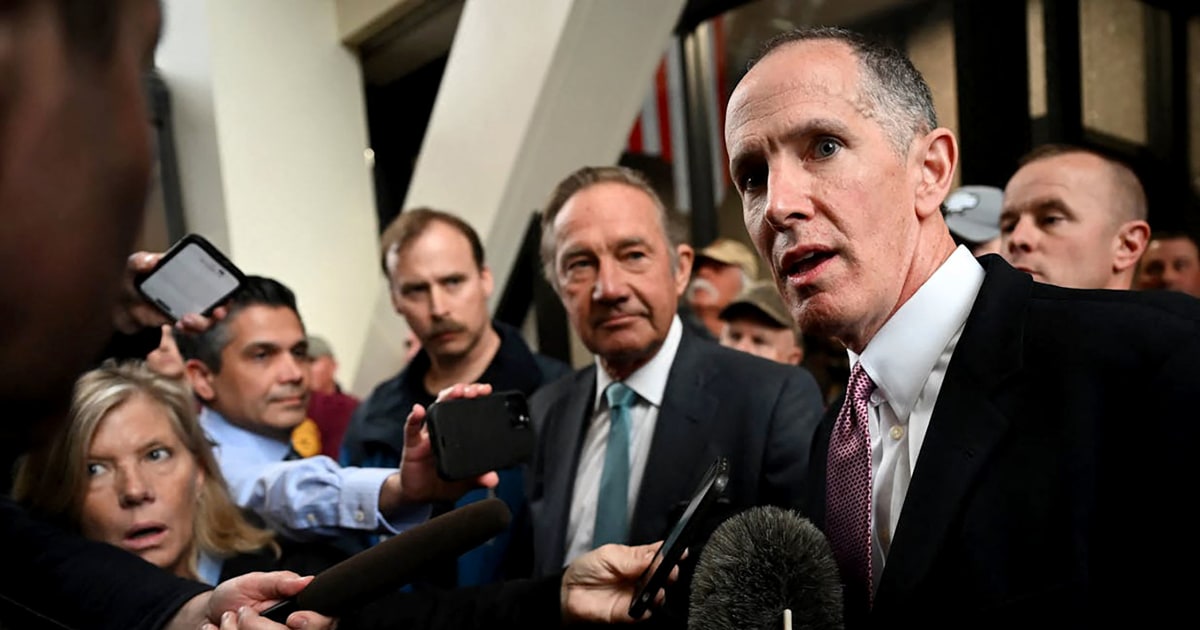
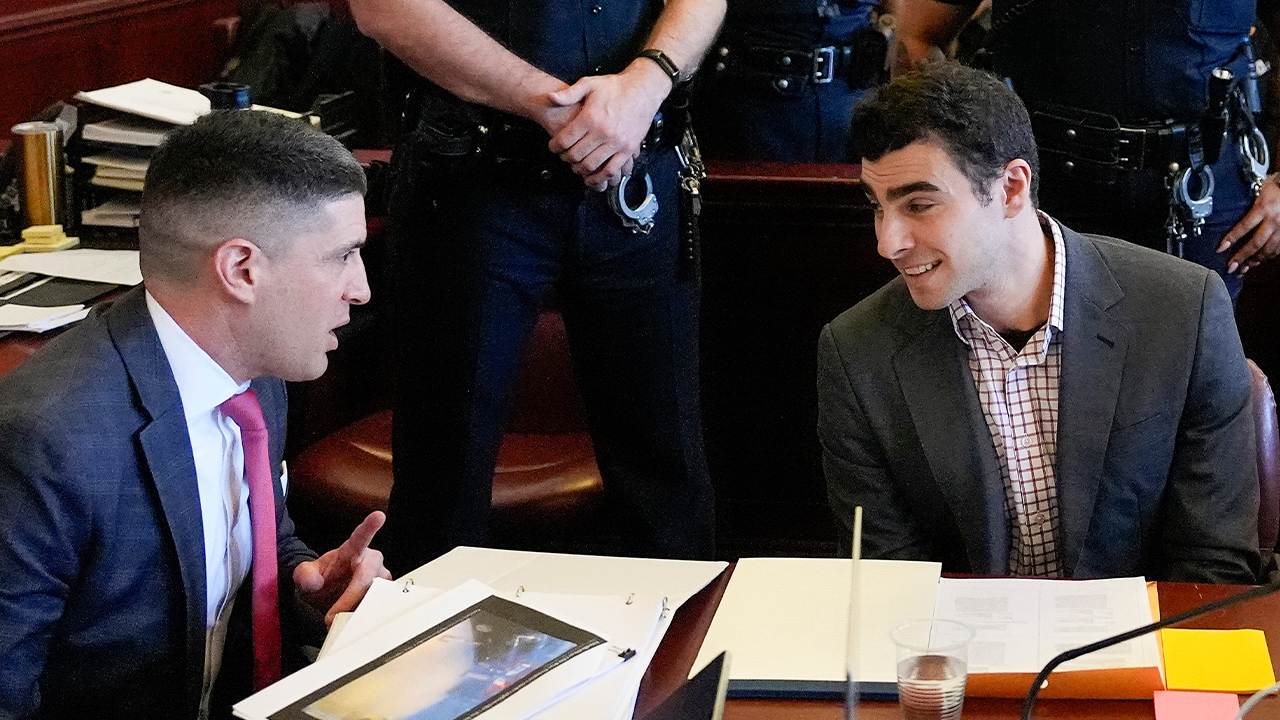
Luigi Mangione, accused of assassinating UnitedHealthcare CEO Brian Thompson, has formally requested that a judge exclude key evidence from his upcoming murder trial. The high-profile case centers on the December 2024 shooting outside a Manhattan hotel, which sparked a nationwide manhunt and Mangione’s eventual arrest in Pennsylvania.
Key Details
Mangione’s defense team is challenging the admissibility of a backpack seized during his arrest and statements made to police, arguing potential violations of constitutional rights. Prosecutors, meanwhile, have matched ballistic evidence to the crime scene and continue to pursue federal and state murder charges. Although terrorism-related charges were dismissed in September 2025, Mangione still faces second-degree murder, which carries a sentence of 25 years to life.
Impact
The court’s decision on evidence could significantly shape the trial’s outcome, drawing national attention to legal standards in high-stakes criminal cases.
About the People Mentioned
Luigi Mangione
Luigi Mangione is an American man who rose to public attention after being accused of fatally shooting UnitedHealthcare CEO Brian Thompson in New York City on December 4, 2024. He was arrested five days later in Altoona, Pennsylvania, after a nationwide manhunt and charged in state and federal courts with multiple offenses related to the killing and weapons possession[2][1]. Born in Towson, Maryland, Mangione was academically high-achieving: he graduated valedictorian from the Gilman School in 2016 and earned both bachelor’s and master’s degrees in computer science (with related studies in engineering and mathematics) from the University of Pennsylvania in 2020[1][2]. While at Penn he co‑founded a video-game development club and was active in student technology activities; his early work experience included internships and roles in software and data engineering at firms such as Firaxis and TrueCar[3][5]. Reporting on his background has described periods of intellectual interest in critique of modern technology and society, including reading extremist writings, and a handwritten note found with him at arrest that criticized the healthcare industry and claimed sole responsibility for the attack[1][3][4]. Authorities reported he was carrying a partially 3D‑printed firearm and ammunition when taken into custody[1][3]. Legally, Mangione has faced an array of charges: state indictments including murder and federal charges that at one point included allegations tied to terrorism, with federal prosecutors seeking the death penalty; some terror-related charges were later dismissed by a New York judge in September 2025, though other murder charges remain[2]. He has been held in federal detention awaiting further proceedings[1][2]. Coverage of Mangione emphasizes his prior academic and technical accomplishments alongside the serious criminal allegations and their legal developments; reporting continues as courts proceed and as prosecutors and defense prepare for trial[3][2].
Brian Thompson
Brian Thompson is an American character actor known for physically imposing villain and genre roles in film and television, with a career spanning the 1980s to the present. He was born Brian Earl Thompson on August 28, 1959, in Ellensburg, Washington, and raised in Longview, Washington, where he began pursuing acting before finishing school[2][1]. Thompson’s first film appearance was a small role in James Cameron’s The Terminator (1984), and he gained wider attention as the villainous “Night Slasher” in Sylvester Stallone’s Cobra (1986)[2][1]. Throughout the late 1980s and 1990s he became a familiar face in science-fiction and action projects, including recurring or guest roles on series such as The X‑Files, Buffy the Vampire Slayer, Charmed, Star Trek (various series), Seven Days and Moonlighting[2][1][4]. Notable film appearances include Dragonheart (1996) and the role of Shao Kahn in Mortal Kombat Annihilation (1997)[2]. Thompson’s screen presence — frequently cast as imposing antagonists or nonhuman characters — is supported by a tall, muscular build and martial-arts training (black belt in Hapkido), attributes often noted in his biographies[1][2]. He has also taken on genre lead roles in television and independent projects, and in 2014 he co-wrote, produced and starred in The Extendables[2]. In recent years Thompson has continued steady television work, including a multi‑episode role as Vincent Gerrard on the Fox series 9‑1‑1 (credited across 2018–2025) and a 2025 appearance in the series Fallout, demonstrating ongoing relevance in both network and streaming genre productions[3]. He remains active professionally and is represented for bookings and guest work[4].
About the Organizations Mentioned
UnitedHealthcare
UnitedHealthcare, founded in 1977 by Richard Taylor Burke in Minnetonka, Minnesota, is a leading American health care management company and a subsidiary of UnitedHealth Group[1][2][4]. Initially created to manage the Physicians Health Plan of Minnesota under the emerging health maintenance organization (HMO) model, it has grown into a dominant force in U.S. health care through extensive acquisitions and diversification[1][3]. The organization serves millions nationwide, offering a broad spectrum of managed care services, including HMOs, preferred provider organizations (PPOs), pharmaceutical benefit management, mental health and substance abuse services, Medicare programs, and health care information systems[1][2]. UnitedHealthcare’s origins are closely tied to the development and promotion of the HMO concept, which aimed to control rising health care costs by aligning incentives between providers and insurers. This model gained federal backing with the 1973 HMO Act, helping UnitedHealthcare to expand rapidly[3]. Throughout the 1980s and 1990s, UnitedHealthcare grew by acquiring regional insurers like Ramsey-HMO and The MetraHealth Companies, becoming publicly traded in 1984 and reorganizing as UnitedHealth Group in 1998 to reflect its growing portfolio of health services businesses[2]. In the 2010s, UnitedHealthcare integrated its health services under the Optum brand, which now includes Optum Health, Optum Insight, and Optum Rx, significantly expanding its footprint in health services, pharmacy benefits, and data analytics[4]. Key acquisitions like Catamaran in 2015 and DaVita Medical Group in 2019 enhanced its clinical and pharmacy capabilities, making it a unique insurer-provider hybrid[4]. Despite exiting many Affordable Care Act exchanges due to financial losses in 2015-2016, it reentered the marketplace in several states by the early 2020s[4]. Today, UnitedHealthcare stands as a highly influentia