The Shocking Tragedy: Ex-Soldier Kills Three Daughters

Introduction
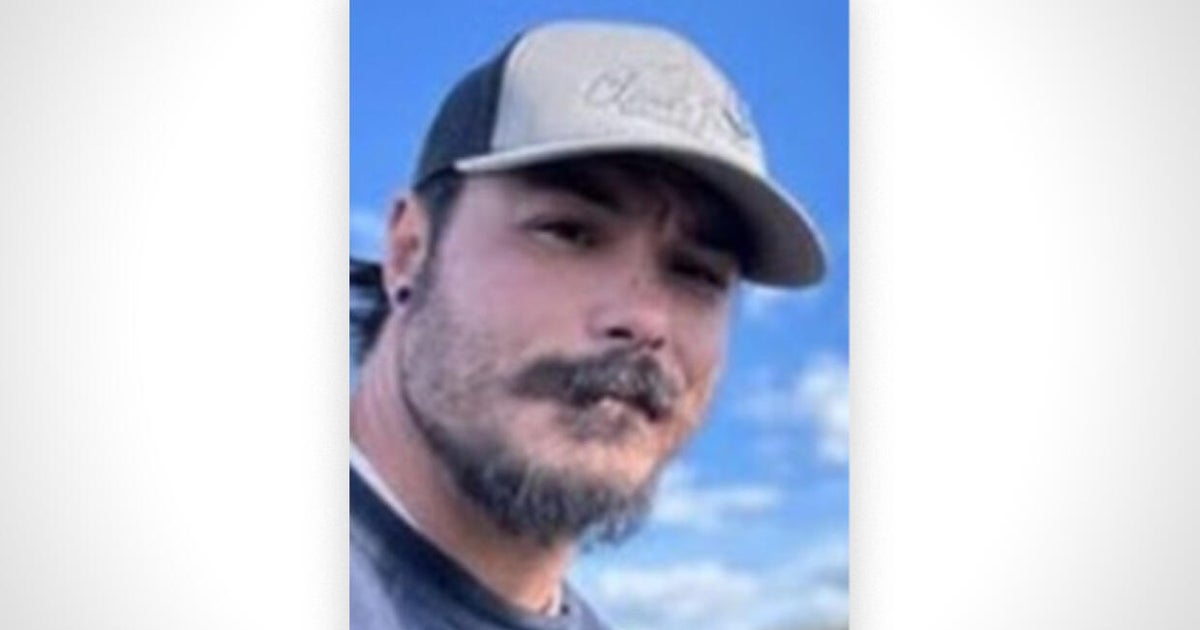
It was a tragic case that shocked the nation: the murder of three young daughters by their own father. After months of searching, the human remains found near a campground in June have been identified as ex-soldier Travis Decker, the prime suspect in the killings. The heartbreaking news has left the community in mourning and raises questions about the mental state of the perpetrator.
Background and Motive
According to authorities, Decker suffered from severe PTSD following his time in the military and was struggling to cope with the aftermath of war. This, combined with a difficult divorce and custody battle, may have led to his violent outburst. Despite his troubled past, Decker's actions were inexcusable and have left a lasting impact on his family and the community.
Implications and Moving Forward
This tragic event serves as a reminder of the importance of mental health support for veterans and the need for better monitoring and intervention in cases of domestic violence. It also highlights the devastating effects of unresolved trauma and the consequences it can have on individuals and their loved ones. As we mourn the loss of the Decker children, we must also work towards preventing similar tragedies from happening in the future.
About the People Mentioned
Travis Decker
Travis Caleb Decker (born August 15, 1992) was a U.S. Army veteran from Pewaukee, Wisconsin, who graduated from Pewaukee High School in 2010 after playing JV/varsity football and wrestling in the state finals.[1] He enlisted as an infantryman in March 2013, serving until July 2021, including a four-month deployment to Afghanistan in 2014.[1][3] From 2014 to 2016, he was an automatic rifleman with the 75th Ranger Regiment at Joint Base Lewis-McChord in the Washington National Guard, though he was removed from the elite unit after failing Ranger School; he later joined the 503rd Infantry Regiment, 173rd Airborne Brigade Combat Team in Italy in 2017.[1][2][4] Former squadmates described Decker as quiet, an outcast, hard-working, and narcissistic, with aspirations to emulate his Green Beret father and return to Special Forces, though he did not.[2][4] He remained in the Washington National Guard until preparations for administrative separation began in 2023 or 2024.[3] By 2025, the 32-year-old lived transiently in Wenatchee, Washington, in his vehicle or at campgrounds, post-divorce from Whitney Decker, mother of his daughters Paityn (9), Evelyn (8), and Olivia (5).[1][3] On May 30, 2025, Decker picked up the girls from their mother's home in Wenatchee for a planned outing, spoke briefly with his ex-wife, and vanished; they missed a 5K event the next day, prompting a missing persons alert.[1][3] The sisters' bodies were found near a campground on June 2, identifying Decker as the prime suspect in their killings.[3] He evaded capture for three months in the largest manhunt in county history, leveraging military skills, until human remains near Leavenworth, Washington, were confirmed as his on September 25, 2025, a day after the U.S. Marshals declared him dead.[1]
About the Organizations Mentioned
World Health Organization
The World Health Organization (WHO) is a specialized agency of the United Nations, established in 1948, with a mandate to promote global health, coordinate international responses to public health threats, and set standards for health policies and interventions[2]. Headquartered in Geneva, Switzerland, WHO operates in over 150 countries, working with governments, NGOs, and other partners to advance health equity, strengthen health systems, and respond to health emergencies. ## What WHO Does WHO’s core activities include monitoring global health trends, setting international health standards, providing technical assistance to countries, and serving as a forum for scientific and policy discussions on health issues[2]. The organization publishes influential reports such as the annual **World Health Statistics**, which tracks progress toward Sustainable Development Goals (SDGs) and provides a global “health report card”[1][8]. WHO also maintains the Model List of Essential Medicines, guiding countries on which drugs are most critical for public health[7]. In addition, WHO leads global campaigns on issues ranging from infectious disease eradication to noncommunicable diseases (NCDs), maternal and child health, and health emergencies[2][6]. ## History and Key Achievements WHO’s history is marked by landmark achievements, including the eradication of smallpox, near-eradication of polio, and the development of an Ebola vaccine[2]. The organization played a pivotal role in responding to the COVID-19 pandemic, coordinating global research, vaccine distribution, and public health guidance. In May 2025, WHO member states adopted the world’s first **Pandemic Agreement**, a historic step to improve international coordination and equity in future health crises[4]. WHO also spearheads initiatives like the Triple Billion Targets (healthier lives, universal health coverage, and protection from health emergencies) and technical policy packages targeting tobacco, alcohol, salt, and trans fat reduction[1][2]. ## Current Status and Notable Aspects WHO is currently implementing its **Fou