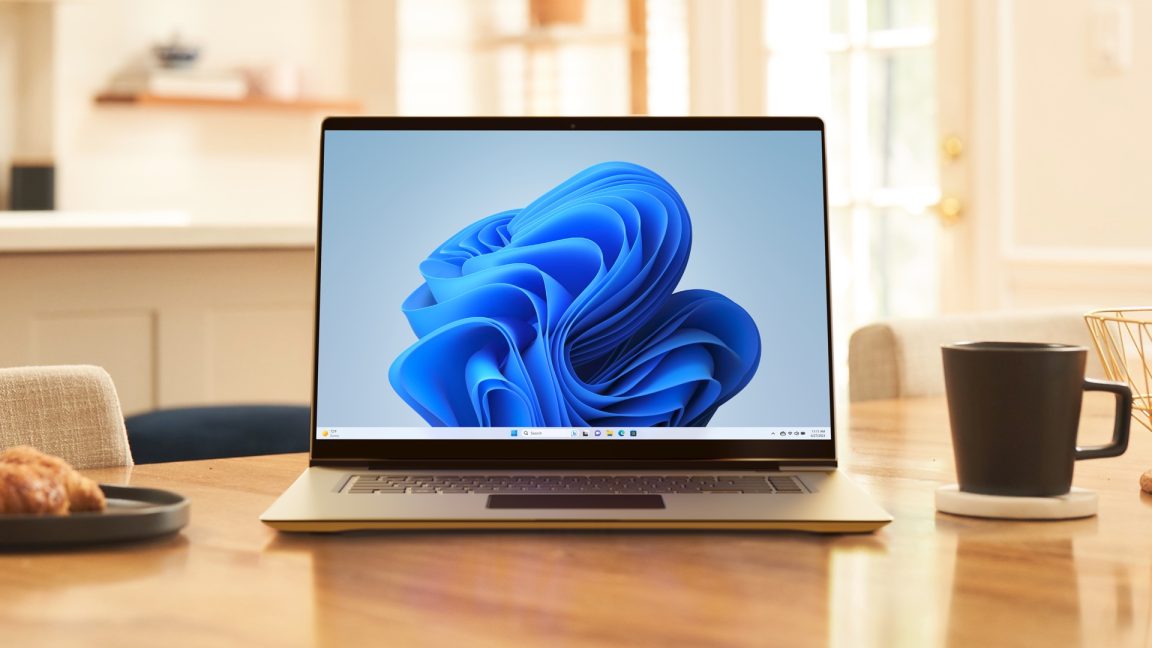
Microsoft Rebuilds Trust in Windows 11 with 2026 Updates and Performance Boosts

Microsoft's Push to Rebuild Trust in Windows
Microsoft is intensifying efforts throughout 2026 to restore user confidence in Windows 11, addressing widespread complaints about update reliability and system glitches that have eroded trust. Following turbulent years of buggy patches and performance hiccups, the tech giant vows comprehensive overhauls, prioritizing stability and innovation to win back frustrated users.[1][2]
Key 2026 Updates and Performance Boosts
Central to this initiative are enhancements like deeper Copilot AI integration for smarter settings management and file handling, alongside refined Start Menu with faster loads and precise searches. File Explorer gains responsiveness in network navigation, while boot times shrink and battery life extends on laptops. Gaming sees lower latency via improved DirectStorage, and fixes resolve lock screen freezes and startup hangs.[1][3][4]
Building a Reliable Future for Windows Users
Features such as Cross-Device Resume and enhanced Windows Hello security further empower seamless experiences. These targeted improvements signal Microsoft's commitment to quality, aiming to transform Windows 11 into a dependable powerhouse that anticipates user needs and delivers consistent performance.[2][6]
About the Organizations Mentioned
Microsoft
Microsoft is a global technology leader that develops, licenses, and supports a broad range of software, services, devices, and solutions. Founded in 1975 by Bill Gates and Paul Allen, Microsoft initially gained prominence through its MS-DOS operating system and later Windows, which became the dominant PC operating system worldwide. Over time, the company expanded into cloud computing, productivity software, gaming, and AI, evolving from a software vendor into a comprehensive technology ecosystem[2][4]. Today, Microsoft’s core business revolves around its cloud platform, Azure, which supports enterprise digital transformation and AI innovation. In fiscal year 2025, Microsoft reported a strong financial performance with revenue reaching $76.4 billion, an 18% increase year-over-year, driven largely by a 27% growth in Microsoft Cloud revenue to $46.7 billion. Operating income rose 23%, and net income increased 24%, underscoring robust profitability. The company’s strategic focus on cloud and AI is central to its growth, with Azure surpassing $75 billion in revenue, reflecting broad adoption across industries[3][5]. Microsoft also leads in cybersecurity solutions, with Microsoft Sentinel recognized as a leader in Gartner’s 2025 Magic Quadrant for Security Information and Event Management (SIEM). This AI-powered cloud service enhances threat detection and response, reflecting Microsoft’s commitment to innovation in security and hybrid cloud environments[6]. The company employs over 220,000 people worldwide and continues to drive digital transformation both internally and for its customers. Its vision embraces the integration of AI and human intelligence, pioneering the “Frontier Firm” model—organizations that blend AI agents with human judgment to scale rapidly and innovate continuously[1][4]. With a diversified portfolio including Office 365, LinkedIn, Xbox, and Surface devices, Microsoft remains a dominant force in technology, shaping the future of work, security, and AI-enabled business transformation[2][3][6].