Netanyahu-Trump Summit Tests Historic Alliance Amid Gaza Talks

Netanyahu-Trump Meeting Tests Historic Alliance
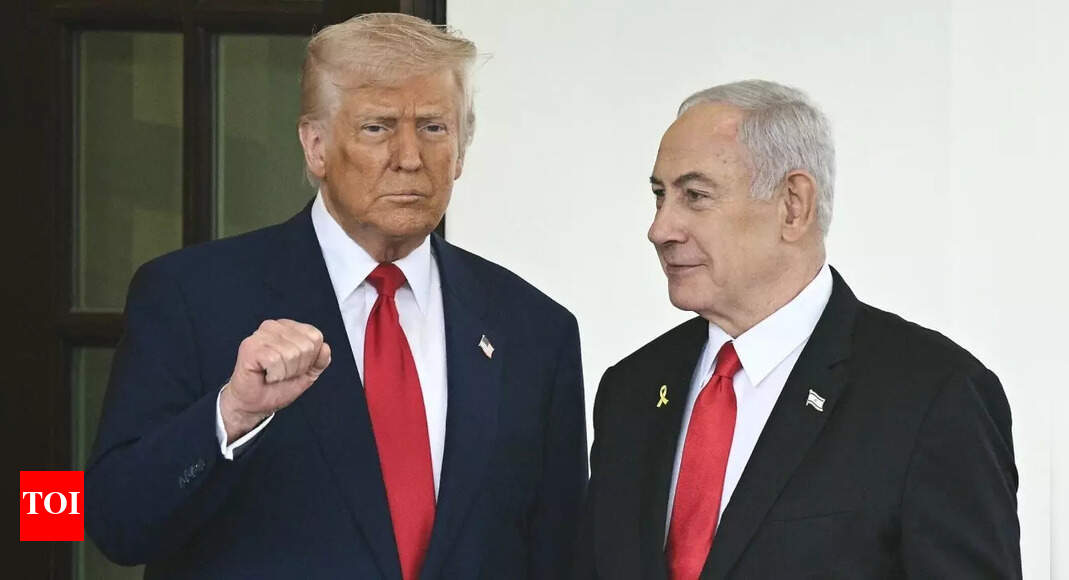
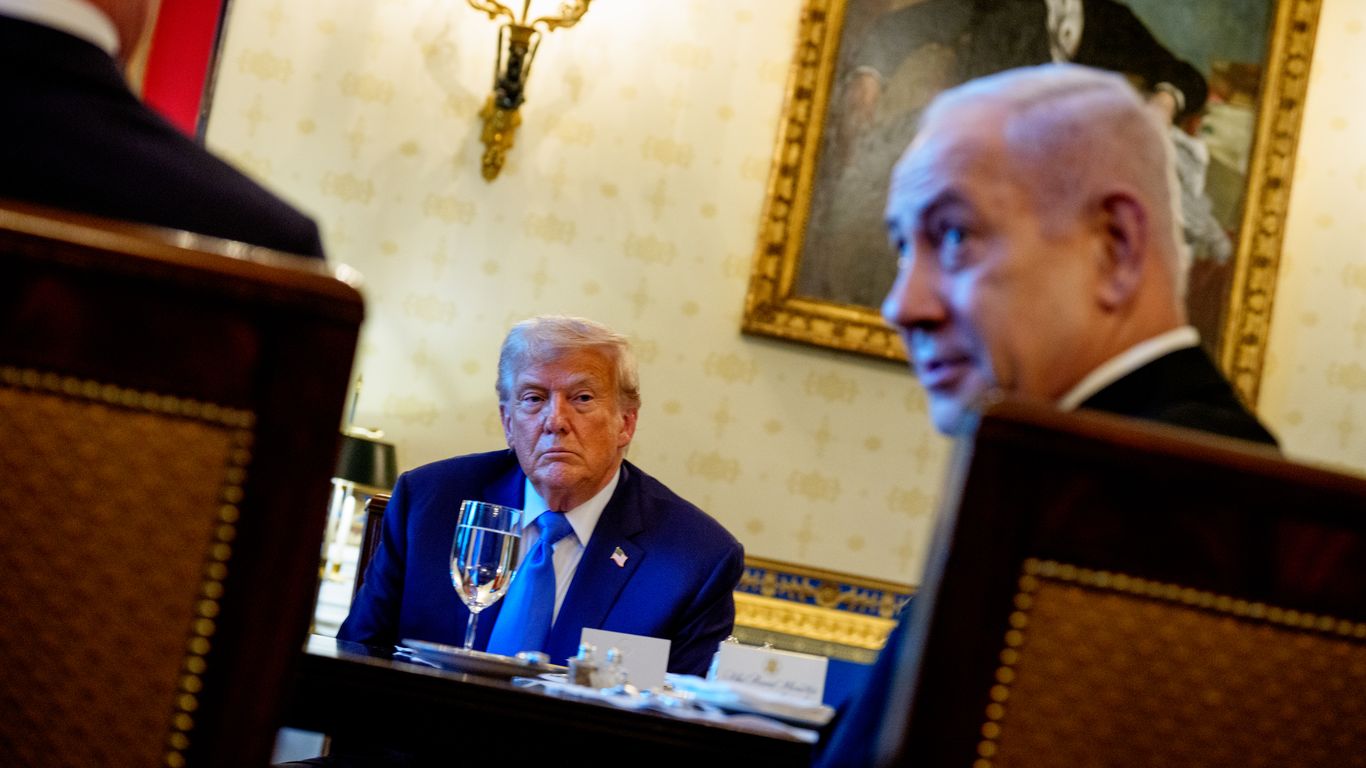
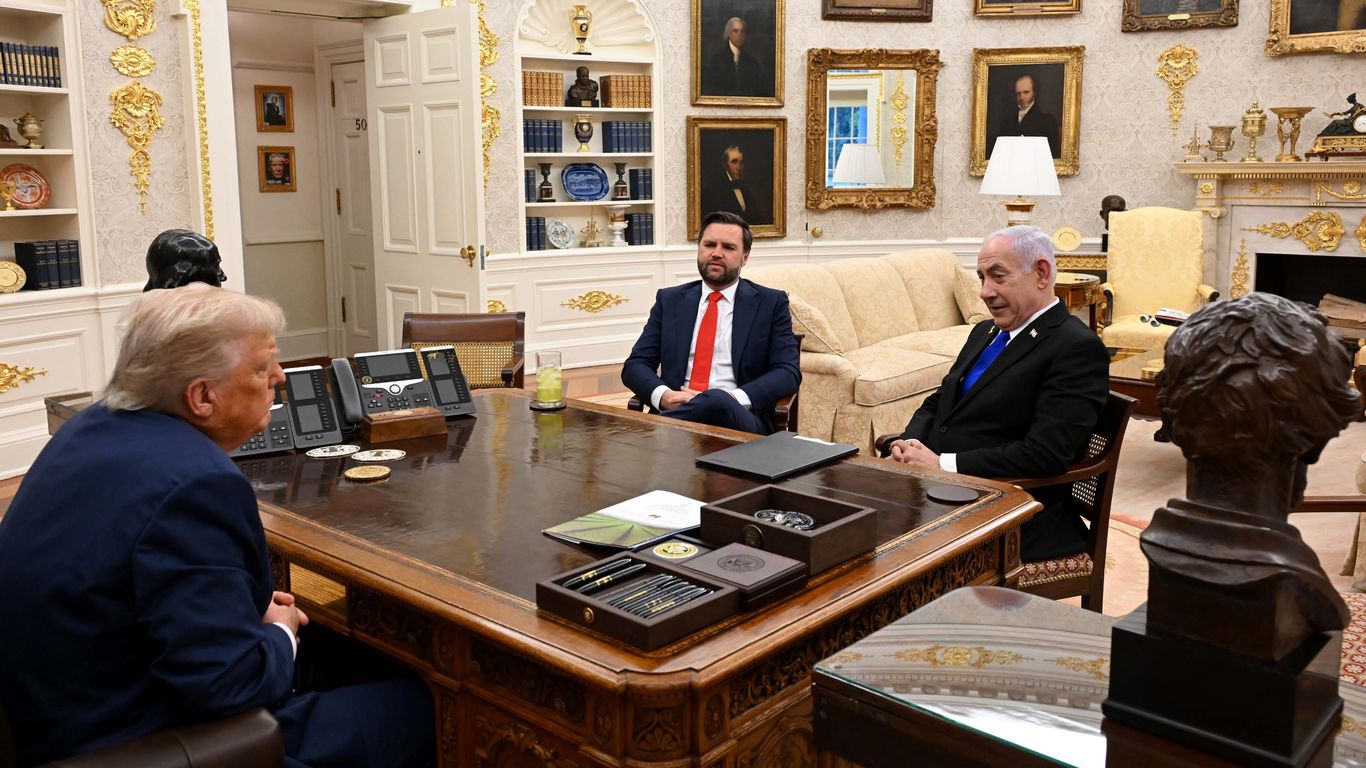
Israeli Prime Minister Benjamin Netanyahu's visit to President Donald Trump's Mar-a-Lago estate marks a pivotal moment in U.S.-Israel relations. Amid ongoing Middle East tensions, the leaders convened on December 29, 2025, to address stalled Gaza ceasefire talks, highlighting potential strains in their long-standing partnership.[1][2]
Clashing Visions on Gaza and Beyond
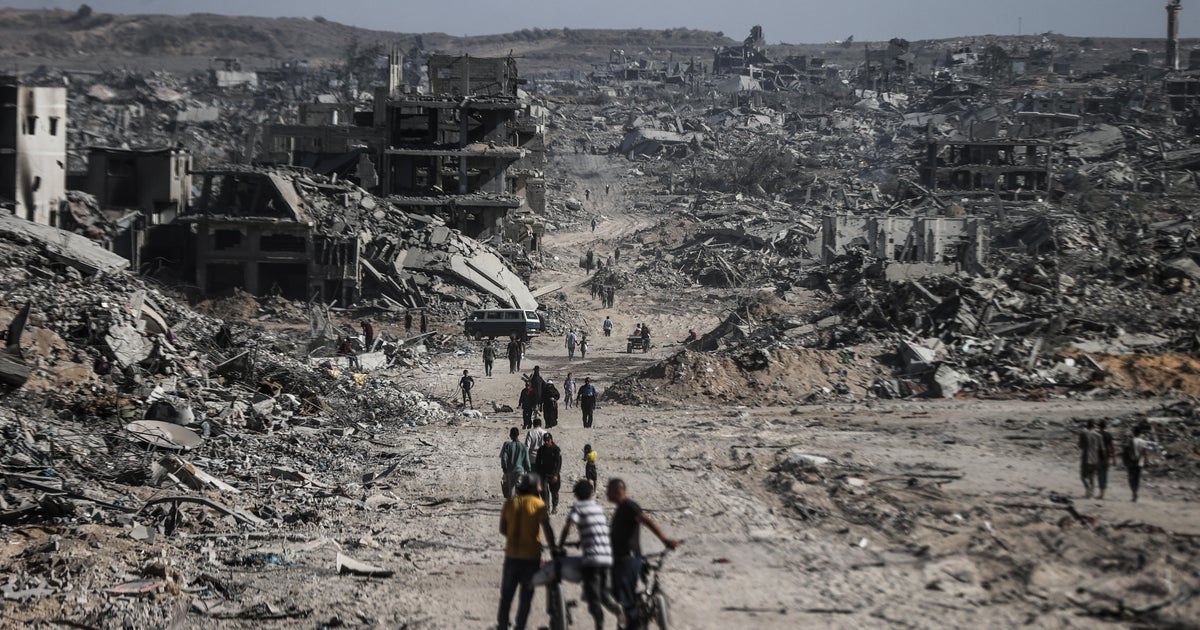
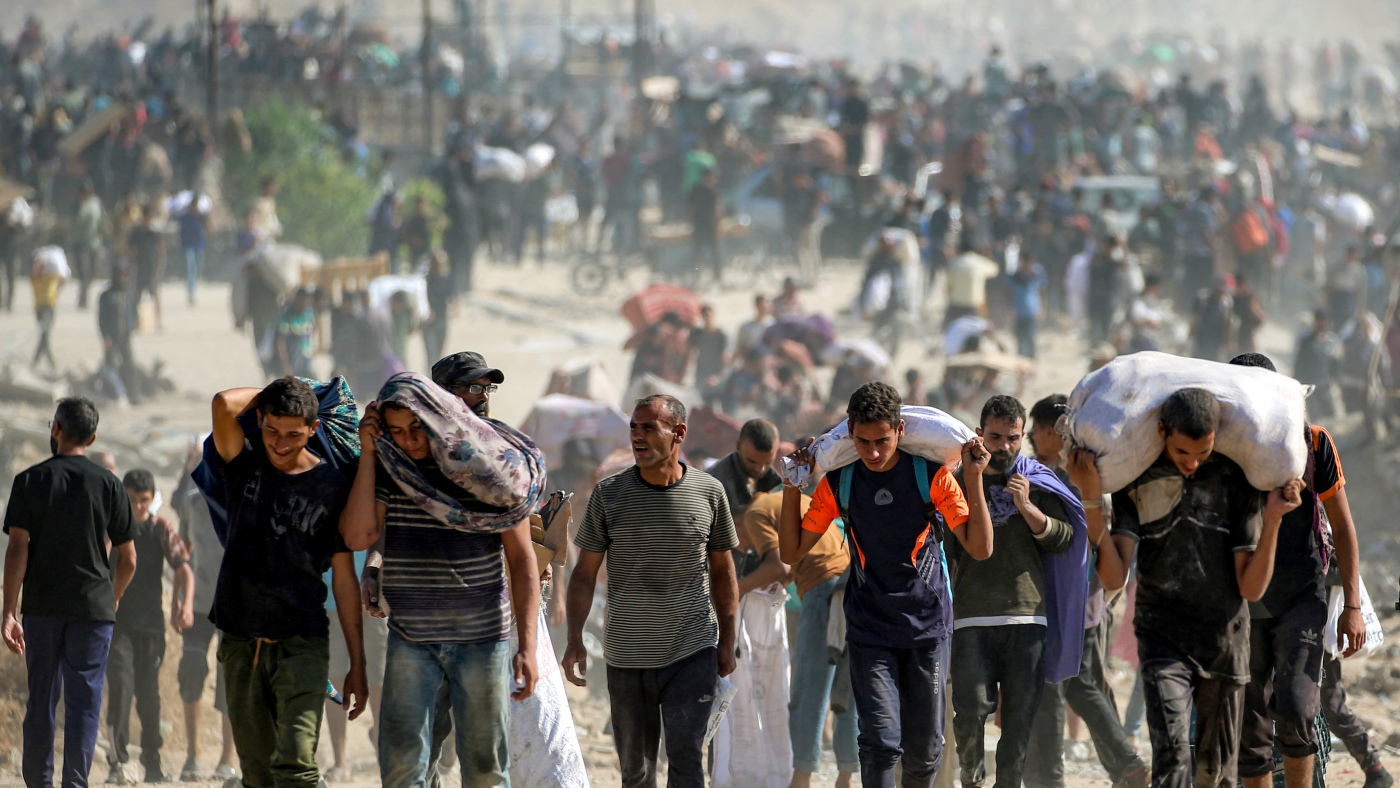
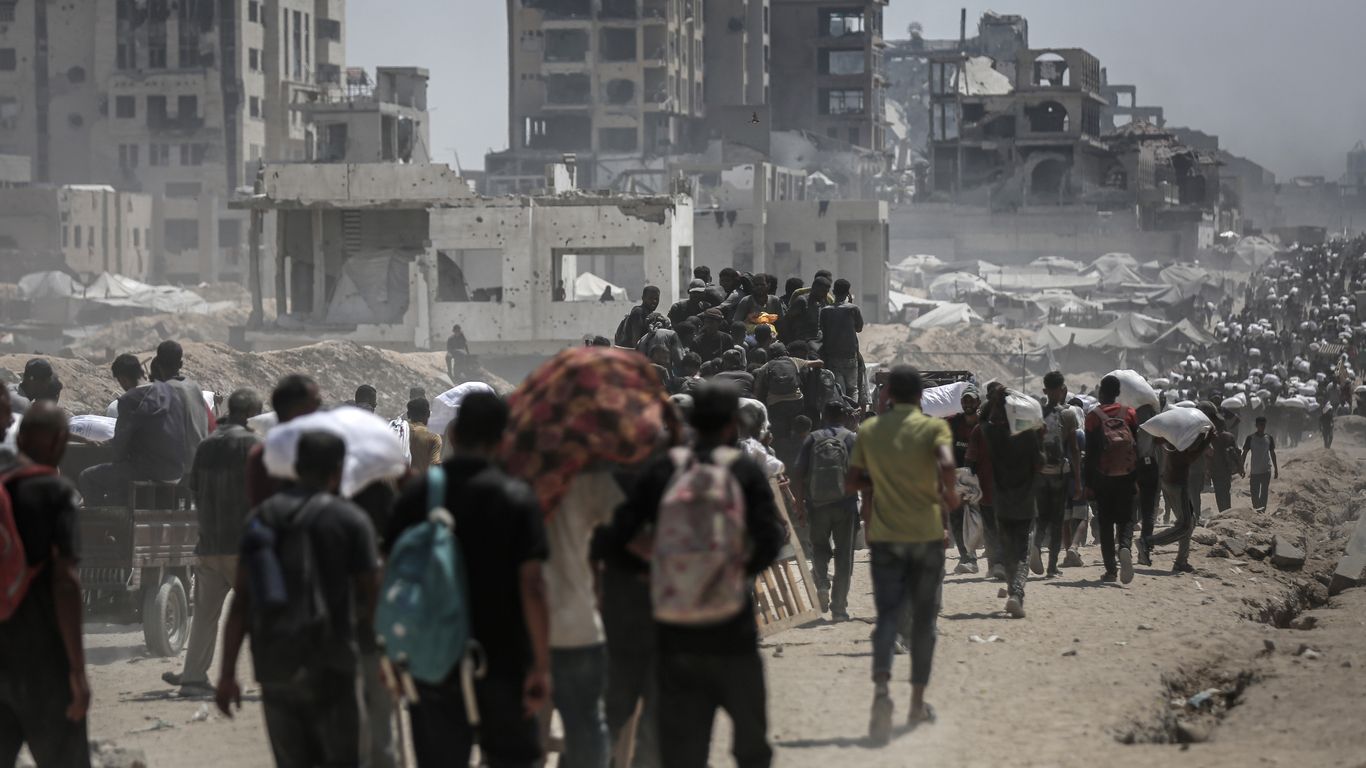
Netanyahu's hawkish stance on Gaza governance, Hezbollah threats, and Iran's provocations contrasts with Trump's push for diplomatic breakthroughs. Discussions centered on security measures, hostage remains like Ran Gvili's, and countering Iran's Russian-backed satellite launches. Trump praised Netanyahu as a "great prime minister," urging progress on Gaza deals while eyeing broader peacemaking efforts.[1][2][3]
Implications for Middle East Stability
This high-stakes summit could redefine U.S. policy on Lebanon and Iran, testing whether shared goals outweigh differences. As Israel deploys advanced Iron Beam defenses, outcomes may signal unified action or reveal deepening divides, influencing regional dynamics profoundly.[3]
About the People Mentioned
Benjamin Netanyahu
Benjamin Netanyahu, born on October 21, 1949, in Tel Aviv, Israel, is a prominent Israeli politician and diplomat who has served as Prime Minister of Israel three times (1996–1999, 2009–2021, and from 2022 onwards). He began his career in the Israeli military's special operations and later transitioned into politics in the late 1980s, joining the Likud party[1][2]. Netanyahu first became prime minister in 1996, during which time he signed the Hebron and Wye Accords, advancing peace efforts with the Palestinians. His administration focused on economic reforms such as government privatization, liberalizing currency regulations, and reducing deficits. After losing the 1999 election, he served as foreign minister and finance minister before reclaiming the Likud leadership in 2005[1][3][4]. Returning as prime minister in 2009, Netanyahu formed a national unity government and proposed a demilitarized Palestinian state recognizing Israel as the Jewish state, emphasizing security concerns. His tenure was marked by fluctuating peace negotiations with the Palestinians and contentious policies including settlement expansions. He also maintained a hawkish stance on Iran and supported the Iraq war[1][3][5]. In 2022, Netanyahu made a political comeback as prime minister, leading a coalition that included far-right parties. His leadership during this period has been pivotal amid the 2023–2024 Israel-Hamas conflict, with significant domestic and international implications[2]. Netanyahu is Israel’s longest-serving prime minister and remains a central figure in Israeli politics, known for his strong security policies, economic reforms, and complex role in the Israeli-Palestinian conflict. His career has been marked by both political resilience and controversy, reflecting his enduring influence on Israel’s domestic and foreign affairs[2][3][5].
Donald Trump
Donald John Trump, born June 14, 1946, in Queens, New York, is an American businessman, media personality, and politician. He graduated from the University of Pennsylvania’s Wharton School in 1968 with a degree in economics. In 1971, he took over his family’s real estate business, renaming it the Trump Organization, through which he expanded into building and managing skyscrapers, hotels, casinos, and golf courses. Trump gained widespread fame as the host of the reality TV show *The Apprentice* from 2004 to 2015, which helped establish his public persona as a successful entrepreneur. Trump entered politics as a Republican and was elected the 45th president of the United States, serving from 2017 to 2021. His presidency was marked by significant policy actions including tax cuts, deregulation, the appointment of three Supreme Court justices, renegotiation of trade agreements (notably replacing NAFTA with the USMCA), and a focus on immigration control including border wall expansion. He withdrew the U.S. from international agreements such as the Paris Climate Accord and the Iran nuclear deal, and engaged in a trade war with China. His administration’s response to the COVID-19 pandemic was criticized for downplaying the virus’s severity. Trump was impeached twice by the House of Representatives—first in 2019 for abuse of power and obstruction, and again in 2021 for incitement of insurrection—but was acquitted by the Senate both times. After losing the 2020 election to Joe Biden, Trump challenged the results, culminating in the January 6, 2021, Capitol riot. He remains a central figure in American politics, having won the 2024 presidential election and returned as the 47th president in 2025, continuing to promote policies aimed at economic growth, border security, and military strength[1][2][3][4].
Ran Gvili
Ran Gvili was a 24-year-old Israeli police officer and Yasam counter-terror unit volunteer from Meitar, known for his extraordinary bravery during the October 7, 2023, Hamas attack on southern Israel.[1][2] Despite a recent shoulder injury from a motorcycle accident that had him on medical leave awaiting surgery, Gvili donned his uniform, left his family's shelter, and rushed to the front lines near Kibbutz Alumim.[1][2][3] On that day, he joined forces at a gas station, rescued approximately 100 fleeing attendees from the Nova music festival, and killed at least 14 Hamas terrorists.[1][3] Shot in the arm and leg during intense fighting at Alumim Junction, he continued battling from cover, reportedly accounting for dozens of enemy dead with his handgun until his ammunition ran out, before being abducted badly wounded into Gaza on a motorcycle.[1][3] Police later confirmed his kills around the site.[3] Gvili's military background underscored his resilience: after mandatory service in the IDF's Golani Brigade, where he overcame a severe thigh injury from training to complete combat duty, he joined the Israel Police in 2021, serving in Yasam and a motorcycle unit.[2][3] His family described him as passionate about motorcycles, music—playing guitar with lemon arak—and close bonds with siblings Shira and Omri, parents Tali (Talik) and Itzik.[1][2] Initially hoped to be the last living hostage held by Palestinian Islamic Jihad, Gvili was declared killed in action on October 7 by IDF experts on January 30-31, 2024, with his body remaining in Gaza.[1][2] As of December 2025, he is remembered as the "last hostage" whose body is still held, symbolizing enduring national grief and heroism amid the conflict.[1][4]
About the Organizations Mentioned
Hezbollah
**Hezbollah** is a Lebanese Shia Islamist political party and paramilitary organization founded in 1982 during the Israeli invasion of Lebanon. It emerged under the influence of Iran’s 1979 Islamic Revolution and has maintained close ties with Iran, which provides significant military and financial support. Hezbollah operates a dual structure: a political wing known as the Loyalty to the Resistance Bloc in Lebanon’s Parliament, and a powerful paramilitary wing called the Jihad Council, with an armed force comparable to a medium-sized army[1][2]. Historically, Hezbollah’s key mission has been resisting Israeli presence and influence in Lebanon and the broader Middle East. It fought Israeli forces and their local proxies during the 1980s and 1990s, contributing to Israel’s 2000 withdrawal from southern Lebanon. The group gained further prominence in the 2006 Lebanon War, where it effectively challenged the Israeli military, and it later became actively involved in the Syrian civil war, supporting the Assad regime[1][4]. Hezbollah also supports Palestinian militant factions and aligns closely with Iranian regional goals[4]. Hezbollah is designated as a terrorist organization by the United States and over 60 countries and international bodies, reflecting its involvement in attacks beyond Lebanon, including against U.S. and Israeli interests worldwide. It possesses advanced military capabilities such as precision-guided missiles, air defense systems, and unmanned aircraft, although its capabilities suffered degradation in conflicts from 2023 to 2024[3]. The group’s charismatic longtime leader, Hassan Nasrallah, was killed by Israel in 2024, delivering a significant blow to Hezbollah’s leadership[2][3]. Currently, Hezbollah remains a dominant political force in Lebanon with extensive social services but prioritizes its “resistance” military identity. Despite suffering setbacks in recent conflicts, it continues to receive Iranian backing and plays a strategic role as a regional proxy, balancing local Lebanese politics with broader geopolitical ambitions[5][6]. Its complex role as both a political actor and