Trump Administration Escalates Iran Pressure: Sanctions, Diplomacy, and Military Contingencies

Trump Administration Escalates Iran Pressure
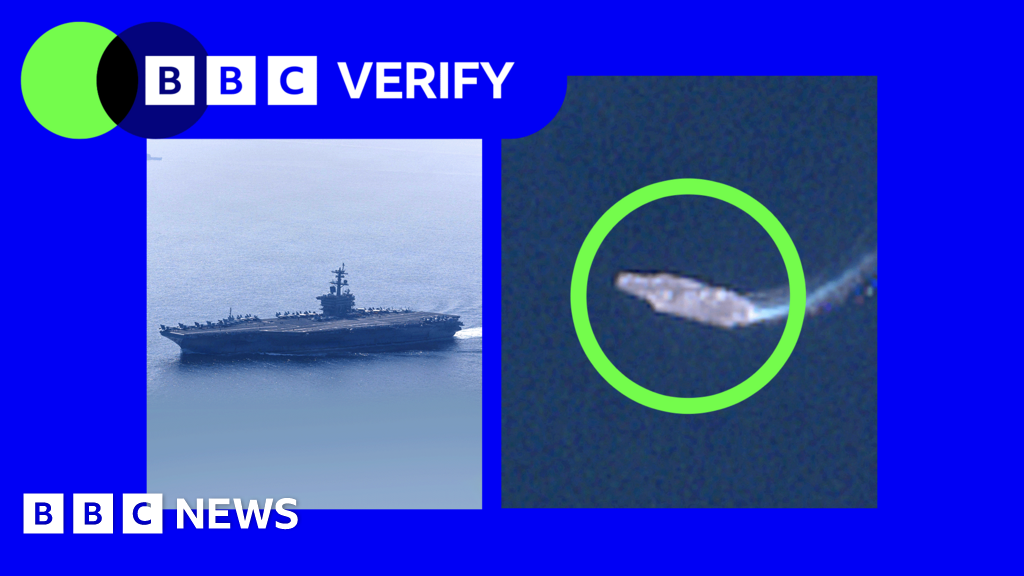
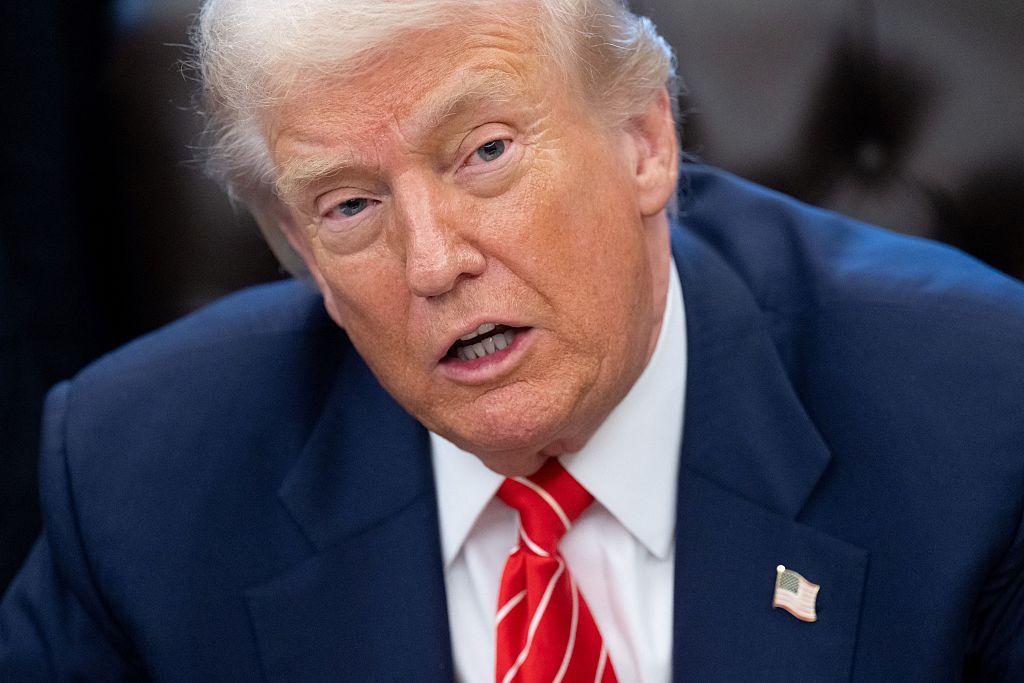
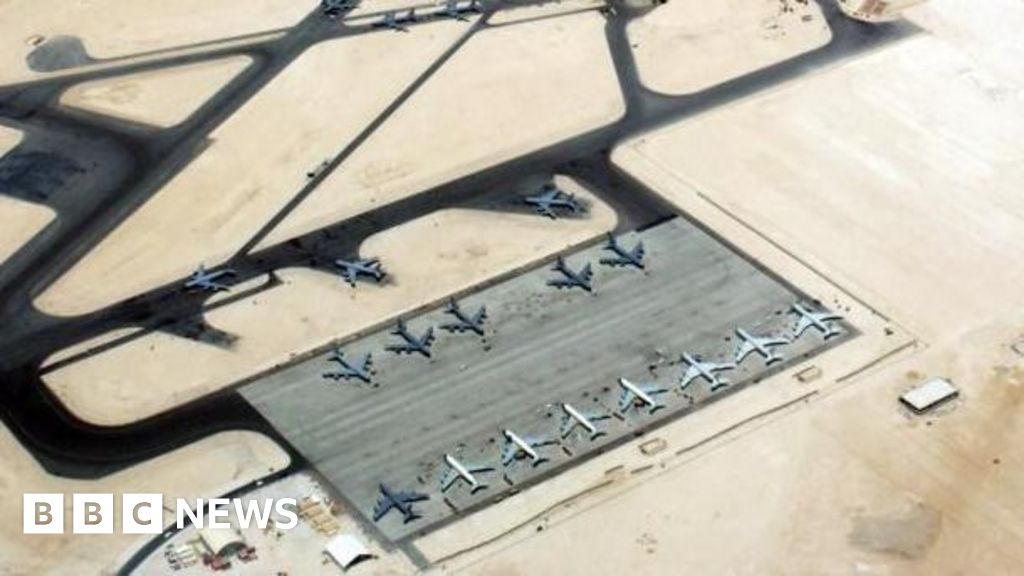
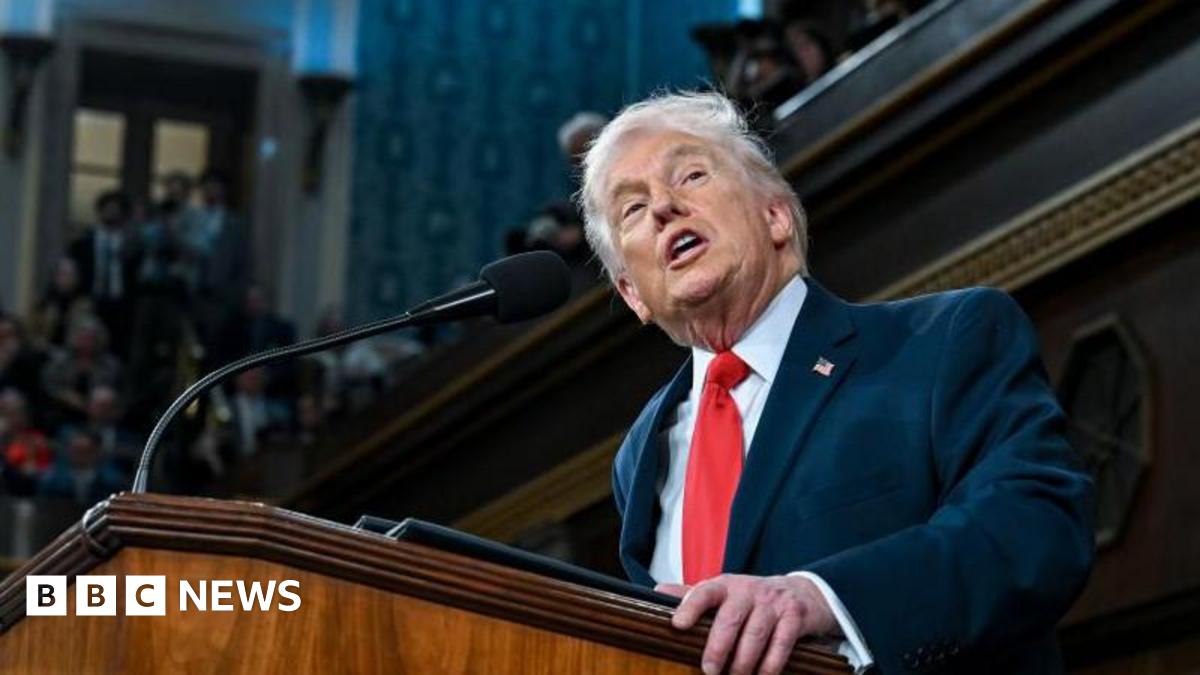
The Trump administration is intensifying diplomatic and military pressure on Iran as nuclear negotiations resume in Geneva today. President Trump delivered a State of the Union address emphasizing his commitment to preventing Iran from obtaining nuclear weapons while simultaneously deploying two carrier strike groups to the Middle East. The administration has implemented fresh sanctions targeting over thirty entities involved in illicit Iranian oil sales and ballistic missile production, signaling a hardline approach to ongoing talks.
Diplomatic Negotiations and Military Options
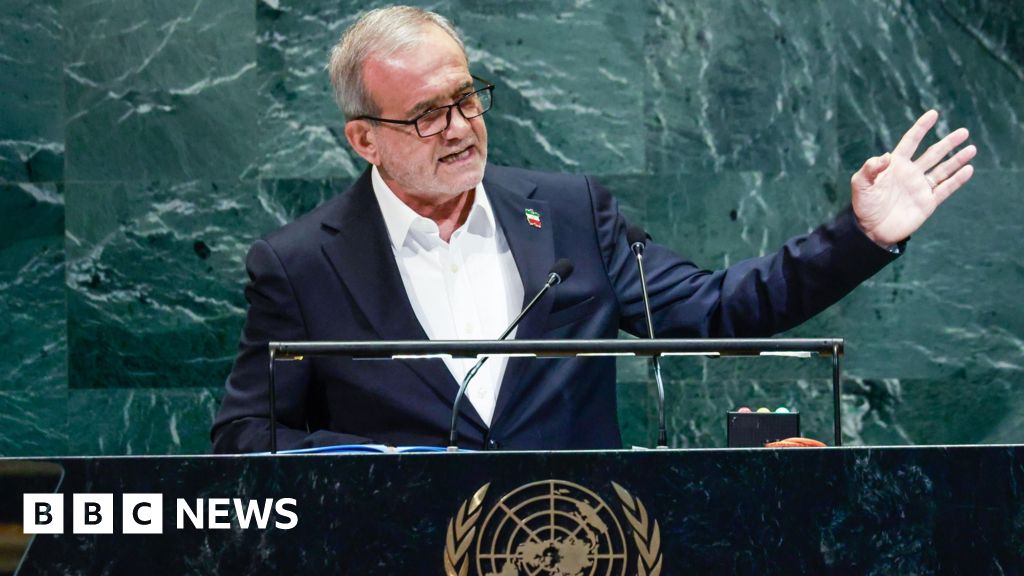
While Trump publicly stated his preference for diplomatic resolution, officials are simultaneously preparing multiple military contingencies. The third round of negotiations may produce an interim agreement focused on nuclear activities, though analysts question whether such limited deals would satisfy American security demands. Defense Department planners have presented comprehensive options ranging from targeted strikes to broader military campaigns, creating significant uncertainty about the administration's ultimate intentions.
Regional Tensions and Uncertainty
The convergence of diplomatic talks and military preparations has heightened regional tensions considerably. Iranian-backed groups have indicated readiness to retaliate against American interests if hostilities escalate, while the broader Axis of Resistance prepares for potential conflict. Trump has indicated he will determine the administration's path forward within ten days, leaving the international community watching closely.
```About the Organizations Mentioned
Defense Department
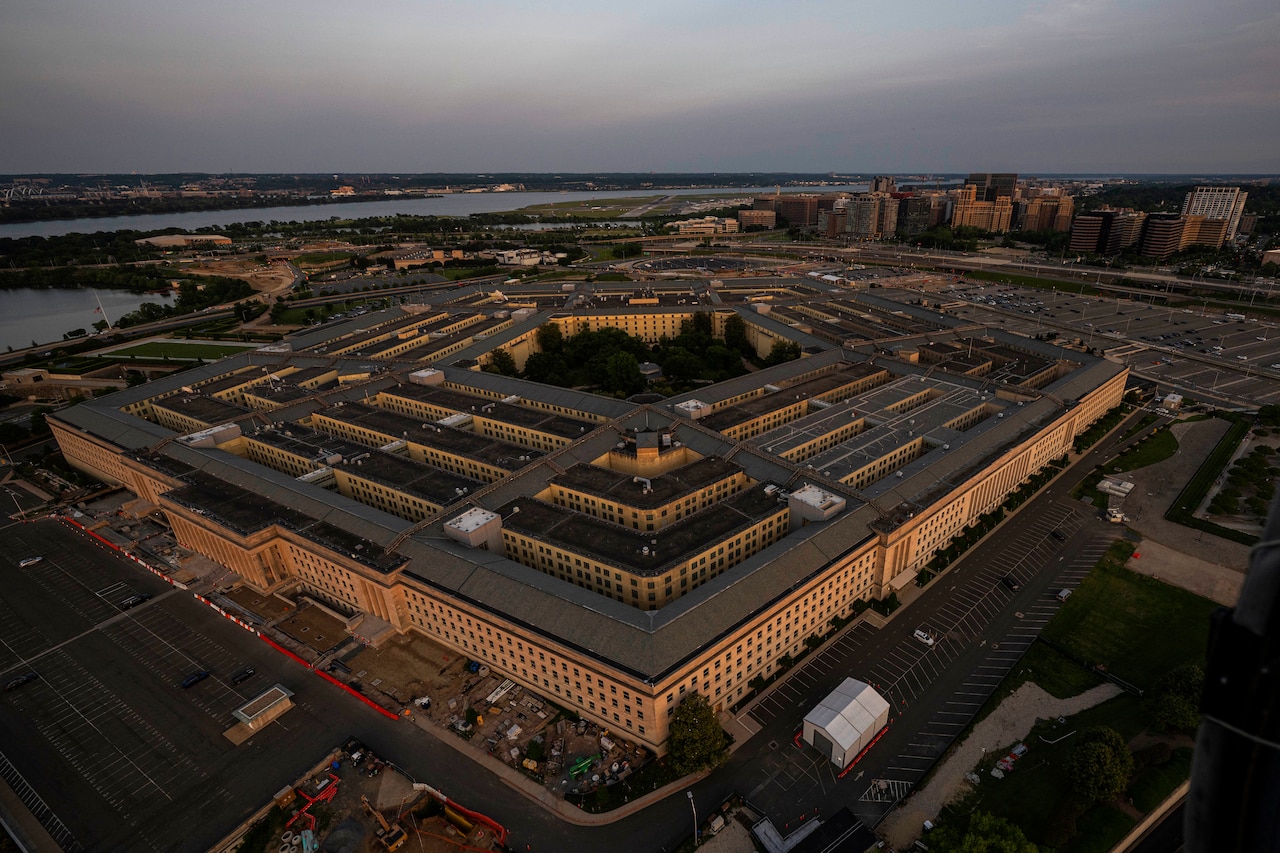
The United States Department of Defense (DoD) is a vast federal agency responsible for coordinating and supervising all agencies and functions related to national security and the U.S. Armed Forces. Headed by the Secretary of Defense, who reports directly to the President, the DoD oversees over 1.4 million active-duty military personnel across six armed services, nearly 778,000 National Guard and reservists, and over 747,000 civilian employees, totaling more than 2.9 million personnel[2]. It includes three military departments—Army, Navy, and Air Force—and several key agencies such as the Defense Intelligence Agency, National Security Agency, and the Defense Advanced Research Projects Agency (DARPA), which focuses on cutting-edge military technology research[2]. Founded in 1947, the DoD has evolved into a global military force, charged with defending the U.S. homeland, projecting power abroad, and maintaining technological superiority. Its history is marked by significant achievements in military innovation, strategic defense initiatives, and global leadership in defense technology. Currently, the DoD is undergoing a major transformation initiative in 2025, aimed at streamlining workforce structures, reducing bureaucracy, and reallocating budgets to prioritize emerging threats and modern capabilities such as missile defense, nuclear modernization, and unmanned systems[1][3]. The Fiscal Year 2025 National Defense Authorization Act (FY25 NDAA) authorizes significant funding for modernization, including $143.8 billion for research and development and $33.5 billion for shipbuilding, emphasizing innovation and readiness[3]. A presidential executive order in 2025 mandates a sweeping reform of defense acquisition processes to accelerate procurement, enhance flexibility, and spur innovation within the defense industrial base[4]. This modernization effort reflects the DoD’s strategic emphasis on agility, speed, and technological edge in an increasingly complex global security environment. Notable aspects of the DoD include its integration of advanced technologies, such as AI-powered tools for operational effectiveness
Axis of Resistance
The **Axis of Resistance** is a **loose military network** of state-controlled armed forces and militant groups across the Middle East, supported by Iran and its Islamic Revolutionary Guard Corps (IRGC)[1]. Rather than a formal organization, it functions as an informal coalition coordinating training, weapons acquisition, and strategic support among independent actors pursuing shared regional objectives[1]. ## Composition and Structure The network comprises several key members: Hezbollah in Lebanon, Hamas and Palestinian Islamic Jihad in Gaza and the West Bank, various militias in Iraq, Houthi forces in Yemen, and parts of the Popular Mobilization Forces (PMF)[2]. Until recently, Syria under Bashar al-Assad was also part of the axis, though the regime collapsed in 2024[2]. Each group operates independently but aligns with Iran's broader strategic interests[1]. ## Historical Development Syria formally joined the network in 2006 following regional developments, including its ouster from Lebanon in 2005 and the U.S. military presence in Iraq[1]. Iran subsequently established a mutual defense pact and military cooperation agreement with Syria in 2007[1]. The Quds Force, a specialized Iranian military branch led by Qassem Soleimani, became instrumental in developing this modern iteration of the axis[5]. ## Strategic Objectives and Current Status The axis opposes Israel, Saudi Arabia, and U.S. influence in the Middle East[1]. Members leverage **cross-border financial flows and energy trading** to maintain resilience against external pressures like sanctions and military strikes[2]. However, the axis suffered significant setbacks in 2024 amid conflicts with Israel, particularly against Hamas and Hezbollah[2][6]. Despite these challenges, research indicates the network has historically proven resilient, with members entrenched within state structures wiel