New Orleans Immigration Crackdown: Online Monitoring and Community Response
#immigration #surveillance #law_enforcement #new_orleans #protests
New Orleans Immigration Crackdown and Online Monitoring
State and federal authorities have intensified their immigration enforcement efforts in New Orleans, deploying hundreds of Border Patrol agents to arrest individuals suspected of being in the country illegally. Alongside physical operations, officials are closely monitoring online forums and social media platforms for criticism and potential threats against agents involved in the crackdown, according to records reviewed by The Associated Press.
Fusion Center’s Role in Tracking Online Activity
The state’s fusion center compiles intelligence from various message boards and digital channels to identify any plans that might target immigration enforcement personnel. This online surveillance aims to preempt violence or disruptions during protests, reflecting a broader strategy to secure both agents and operations amid rising tensions in the city.
Community Response and Enforcement Impact
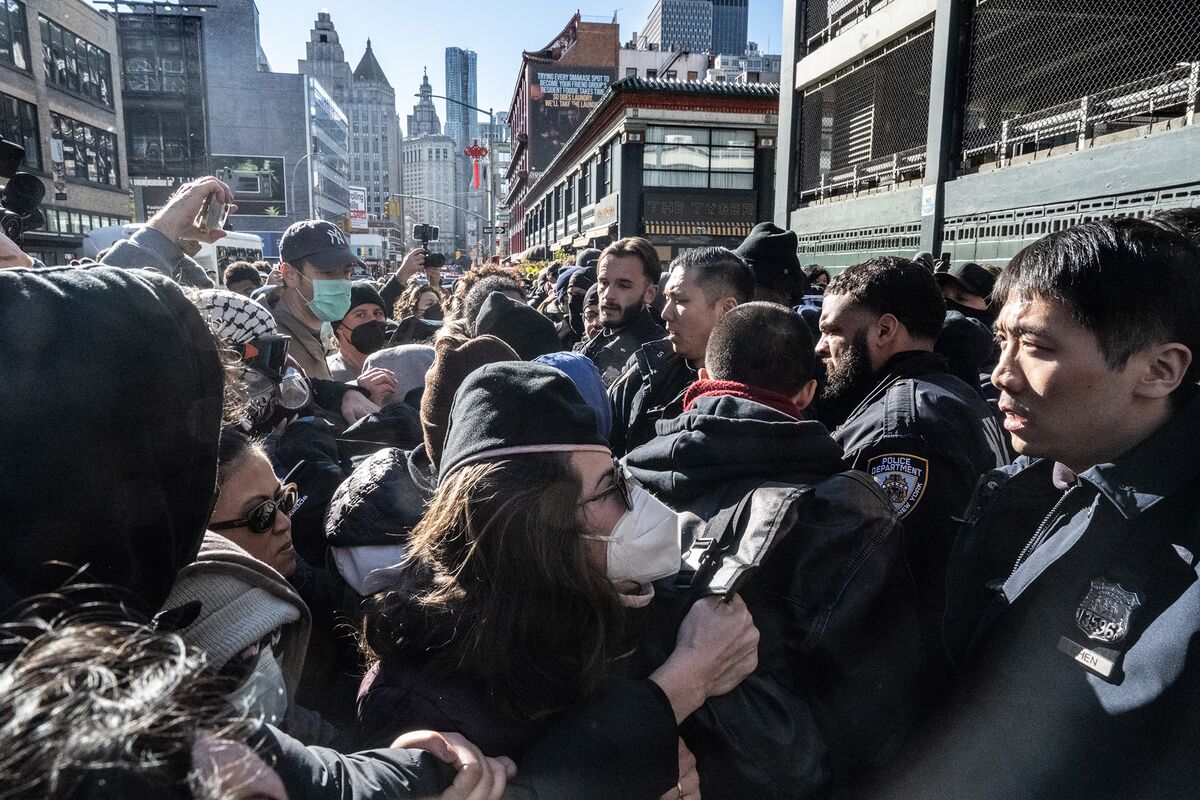
The crackdown has sparked significant local opposition, with many residents denouncing the tactics as heavy-handed. Despite this, officials maintain that their approach is necessary to enforce immigration laws and ensure public safety, marking a significant expansion of enforcement efforts from border areas into interior cities like New Orleans.
About the Organizations Mentioned
The Associated Press
The Associated Press (AP) is the world's largest newsgathering organization, renowned for its commitment to independent, nonpartisan, and fact-based journalism. Founded in 1846 by five New York City newspapers, the AP was initially formed to share the costs of covering the Mexican-American War[3][7]. Over the years, it has evolved into a global news agency with operations in nearly 100 countries, providing news to over 1,700 member newspapers and 6,000 television and radio stations in the United States alone[1][6]. ### History and Evolution The AP began as a cooperative venture among newspapers to reduce costs by sharing news gathered via telegraph. By 1856, it was known as the New York Associated Press, and regional organizations like the Western Associated Press emerged later. In 1900, these regional groups merged to form the modern AP[2]. The AP has been instrumental in reporting major historical events, such as the assassination of Abraham Lincoln and the fall of the Shah of Iran[3]. ### Key Achievements AP journalists have won numerous awards, including 59 Pulitzer Prizes, with 36 for photography[6]. The AP is a not-for-profit cooperative owned by its American newspaper and broadcast members, allowing it to maintain a focus on objective journalism[4]. ### Current Status Today, the AP operates in over 230 locations worldwide, producing extensive content including stories, videos, and photos annually[3][6]. It continues to champion press freedom and journalist safety, offering services like the AP Emergency Relief Fund established in 2005[6]. ### Notable Aspects The AP is known for its ethics and integrity in news gathering, providing high-quality, informed reporting on a wide range of topics. It maintains a strong commitment to transparency and fact-based journalism, setting it apart as a trusted source in the news industry[4][6].
Border Patrol
The U.S. Border Patrol (USBP), an agency of U.S. Customs and Border Protection (CBP), is one of the largest federal law enforcement organizations in the United States, with nearly 20,000 agents as of 2023[1]. Its core mission is to secure the nation’s borders, prevent illegal entry, and safeguard American communities from threats such as terrorism, drug trafficking, and human smuggling[2]. The agency’s operations extend beyond traditional border monitoring, encompassing linewatch (surveillance and apprehension at the border), farm and ranch checks, traffic checkpoints on highways, city patrols, and transportation checks at airports, bus stations, and train terminals[1]. This multi-layered approach leverages both human intelligence and advanced technology to detect and interdict illegal crossers and contraband. Founded in 1924 as part of the Labor Appropriation Act, the Border Patrol has evolved dramatically over a century[1]. Initially focused on immigration enforcement, its responsibilities expanded after the September 11 attacks, leading to its integration into the Department of Homeland Security in 2003[1][3]. This reorganization merged several border and customs agencies, creating a unified force with broader authority and resources[3]. The Border Patrol’s motto, “Honor First,” reflects its commitment to duty and service, even in the face of significant risks—agents are among the most assaulted law enforcement personnel in the country, with documented attacks and bounties placed on them by criminal organizations[2]. Key achievements include the development of specialized units like BORTAC (tactical operations) and BORSTAR (search and rescue), which enhance the agency’s rapid response capabilities[3]. The Border Patrol has also played a critical role in responding to natural disasters, civil unrest, and mass casualty events, demonstrating its adaptability and value beyond border security[1]. In recent years, the agency has encountered over 2.5 million migrants annually, reflecting both the
Fusion Center
The Fusion Center is a specialized organization designed to serve as a central hub for collecting, analyzing, and disseminating intelligence and information across multiple levels of government and the private sector, primarily to enhance public safety and counter terrorism. It operates by fostering collaboration among law enforcement, emergency services, public health, and private sector partners to detect, prevent, and respond to criminal and terrorist threats. Fusion centers facilitate real-time information sharing to create a comprehensive regional intelligence picture, streamlining communication across jurisdictions and agencies to protect communities effectively[2][3][4]. The concept of fusion centers emerged in the post-9/11 era as part of a national effort to improve intelligence sharing and coordination among federal, state, and local entities. They were established to address gaps in communication that previously hindered the prevention of homeland security threats. The Fusion Center Focus Group, composed of experts from the Department of Justice (DOJ), Department of Homeland Security (DHS), Federal Bureau of Investigation (FBI), and other stakeholders, developed guidelines to standardize fusion center operations and maximize their effectiveness in intelligence sharing[4]. Key achievements of fusion centers include building multi-jurisdictional and multidisciplinary partnerships that enhance situational awareness and threat detection capabilities. Centers like the Saint Louis Fusion Center exemplify this model by integrating resources from law enforcement, fire and emergency medical services, public health, and private sectors to protect regional security[2]. The National Fusion Center Association (NFCA) supports the network by organizing training events and conferences to share best practices and innovative strategies among fusion center personnel and partners[3]. Currently, fusion centers continue to evolve as vital components of homeland security infrastructure. They contribute significantly to crime prevention and emergency response by enabling seamless information flow, fostering partnerships, and leveraging technology to safeguard communities nationwide[3][4]. Their operations underscore the importance of intelligence integration in modern public safety and counterterrorism efforts.