Protesters Halt Federal Immigration Operation in Manhattan
Protesters Halt Federal Immigration Operation in Manhattan
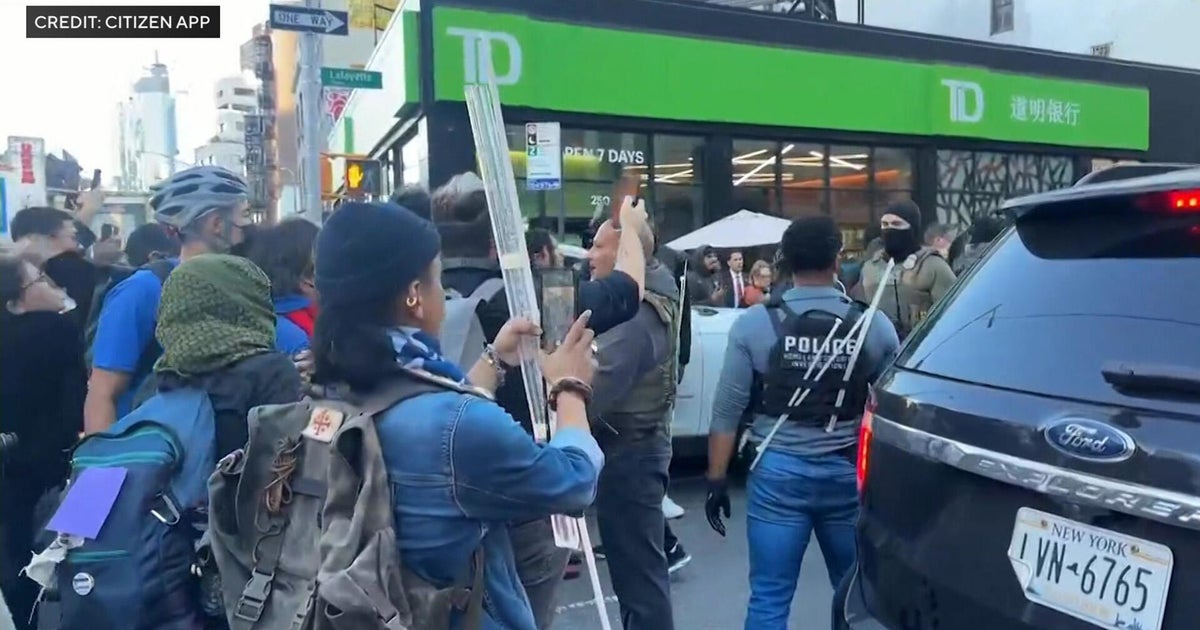
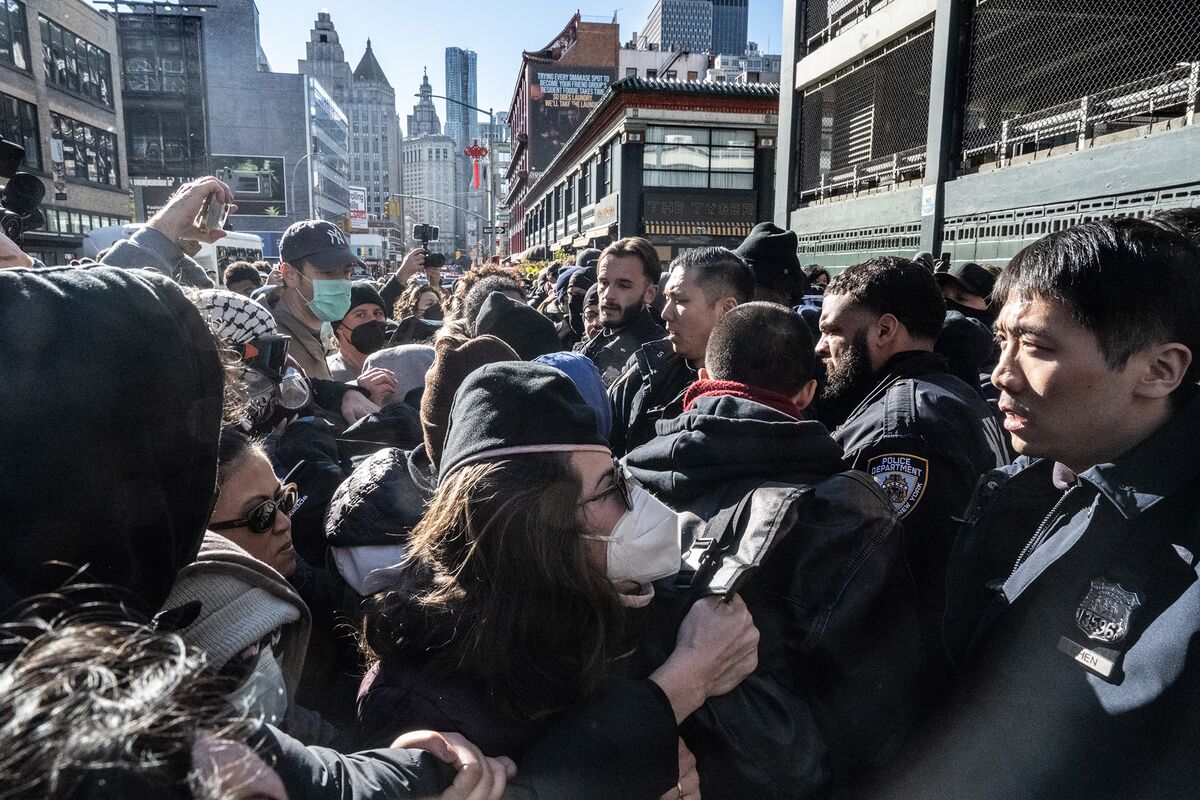
In Lower Manhattan, protesters successfully disrupted a scheduled federal immigration enforcement action near Chinatown. The demonstrators gathered at the Department of Homeland Security parking garage ramp, blocking federal agents from accessing the site. This forced the agents to retreat, marking a significant moment of resistance against immigration operations in the city.
Confrontation Near Chinatown
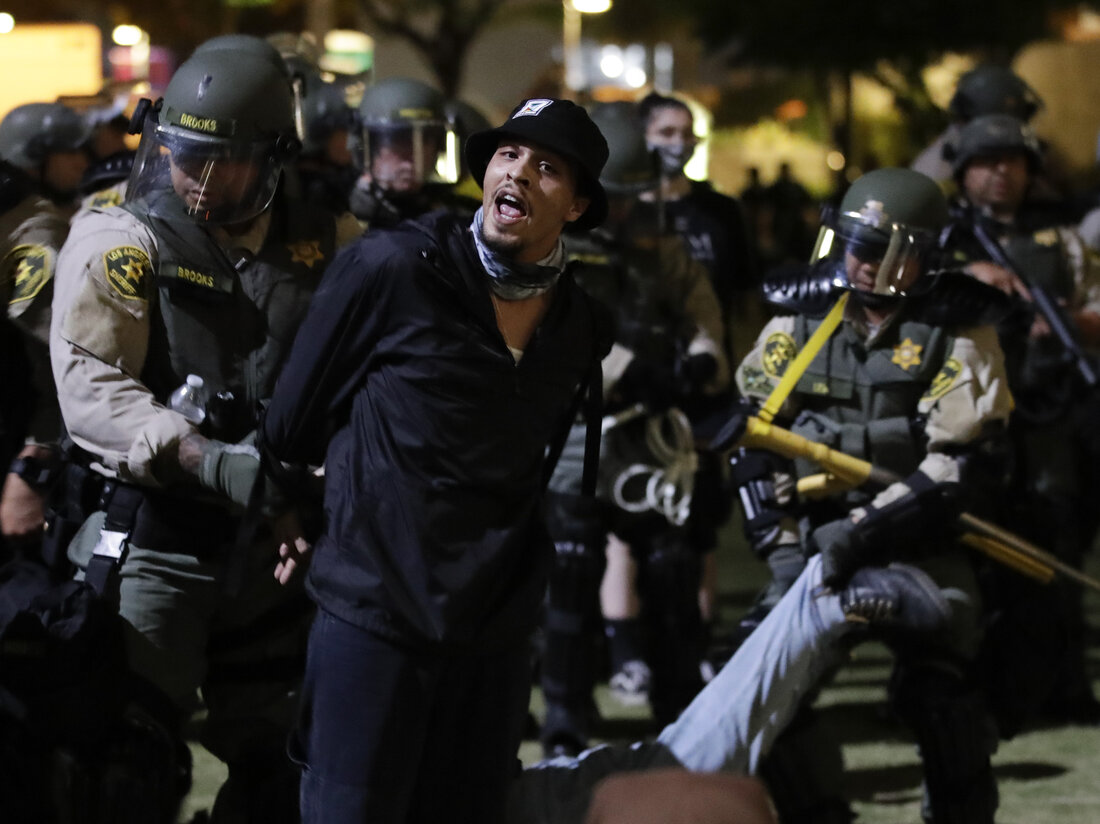
The protest took place at the intersection of Centre Street and Howard Street, a strategic location close to the community directly impacted. Tensions ran high as demonstrators clashed with law enforcement officers, emphasizing community opposition to aggressive immigration enforcement tactics. The event highlighted the ongoing conflict between federal authorities and local advocates.
Broader Implications
This disruption reflects growing activism against federal immigration policies in urban centers. The successful blockade underscores the power of organized protest to influence enforcement actions and brings attention to the challenges facing immigrant communities in Manhattan and beyond.
About the Organizations Mentioned
Department of Homeland Security
The **Department of Homeland Security (DHS)** is a U.S. federal agency established in response to the 9/11 terrorist attacks to safeguard the nation from a wide range of threats including terrorism, natural disasters, cyberattacks, and border security challenges. Its core mission is to protect the American people, critical infrastructure, and uphold national security by coordinating efforts across government and private sectors. DHS oversees immigration enforcement, cybersecurity, emergency response, and counterterrorism initiatives. Formed in 2002, DHS consolidated 22 federal agencies to create a unified structure for domestic security. Its key components include the U.S. Customs and Border Protection, the Federal Emergency Management Agency (FEMA), and the Transportation Security Administration (TSA). Over the years, DHS has played a critical role in preventing terrorist attacks, enhancing airport security, responding to natural disasters like hurricanes and pandemics, and advancing cybersecurity protections for government and private sector networks. In recent years, DHS has shifted focus towards emerging threats such as unmanned drone attacks on infrastructure, cyber intrusions into financial and critical systems, and disruptions to supply chains. Strategic visions for 2025 and beyond emphasize technological innovation, integration of intelligence, and public-private partnerships to address these complex challenges. The agency’s budget reflects its broad mandate, with over $400 billion allocated for fiscal year 2025, underscoring its significant role in national security and emergency preparedness. Notably, DHS has faced scrutiny and calls for reform, especially regarding immigration enforcement and internal mission clarity. Recent directives have expanded immigration enforcement powers to other federal law enforcement agencies, reflecting policy shifts under different administrations focused on border security. For business and technology sectors, DHS represents a major government player driving innovation in cybersecurity, disaster response technology, and infrastructure protection, while navigating evolving threats in a complex geopolitical landscape. Its ongoing modernization efforts aim to enhance resilience and adapt to future security challenges.