Pope Leo's Lebanon Visit Sparks Hope for Middle East Christians

Pope Leo's Historic Visit Amid Christian Exodus
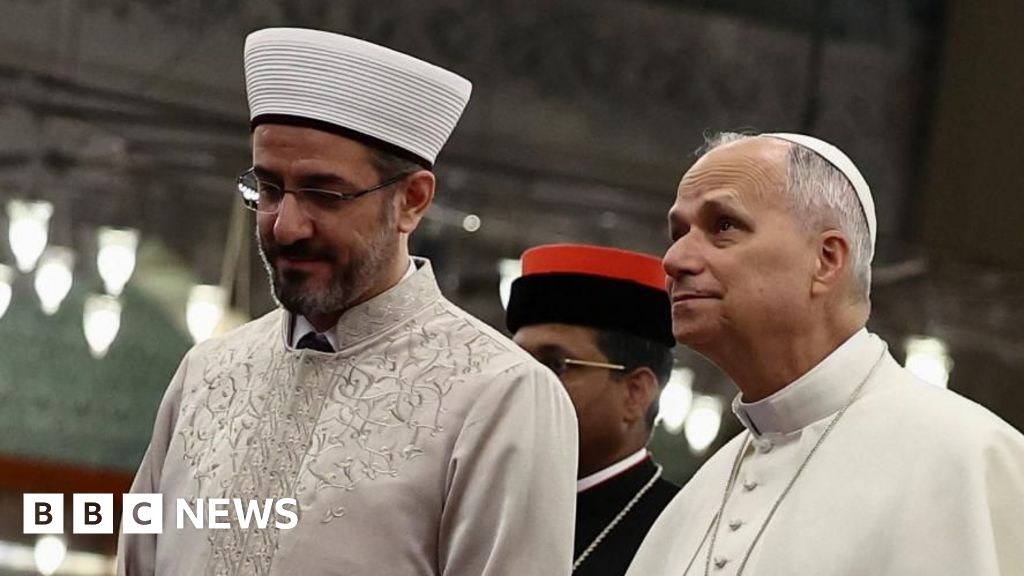
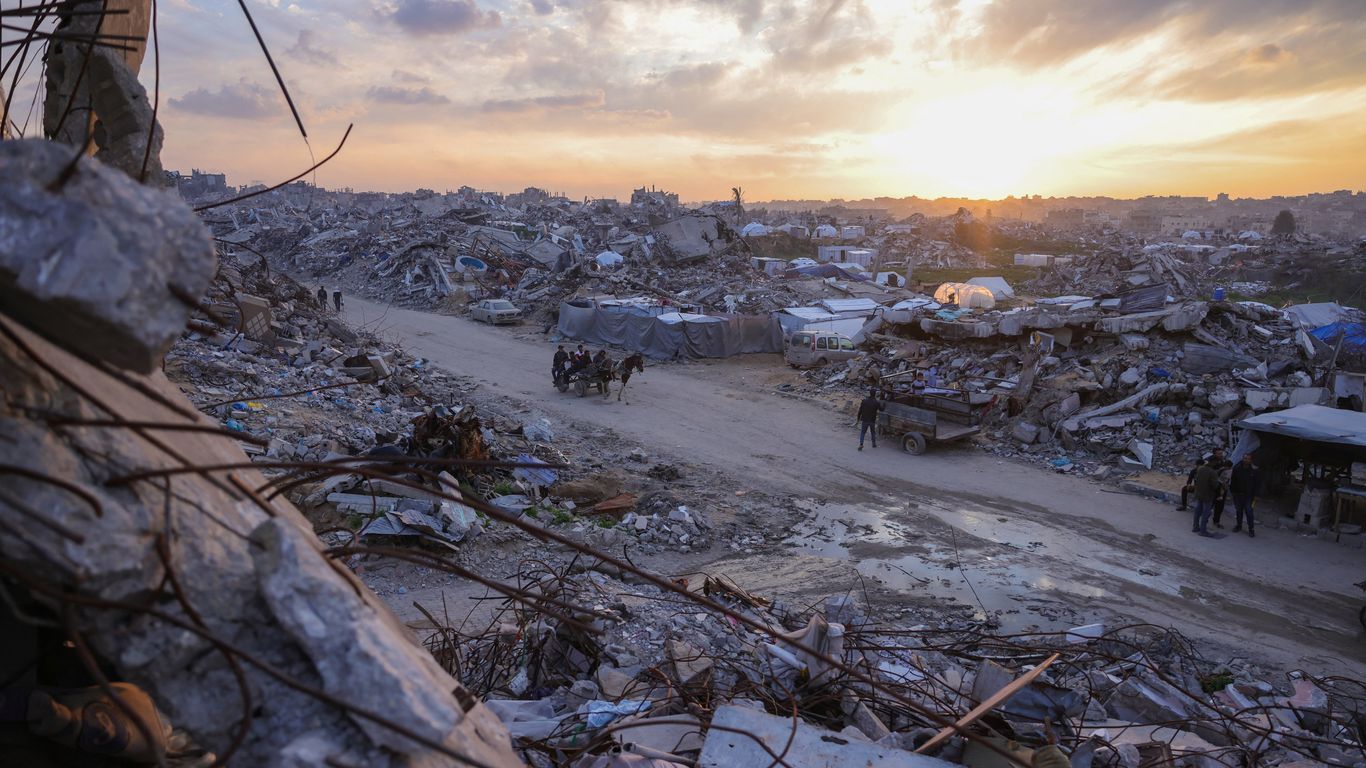
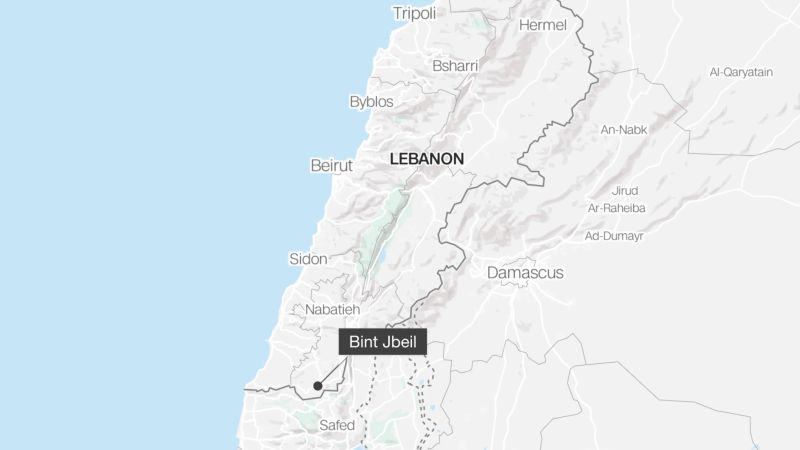
Pope Leo has arrived in Lebanon on his first international tour since taking office, a symbolic gesture during a critical moment for Middle Eastern Christians. His visit includes prayers at the Beirut waterfront, where a devastating 2020 explosion killed 218 people, and appearances at Martyrs' Square and Saint Charbel Monastery. The pontiff urged political leaders to prioritize peace in a region still targeted by Israeli airstrikes and marked by unresolved tensions.
A Shrinking Community in Its Birthplace
Christians remain the largest religious minority in the Middle East, the cradle of Christianity itself. Yet their presence continues to diminish as communities face displacement, conflict, and economic hardship. Lebanon's Christian population, historically significant, has experienced particular strain during recent conflicts between Hezbollah and Israel.
Spiritual Solidarity and Regional Hope
Many Lebanese view the papal visit as a message of global solidarity from the Catholic Church. The timing carries profound significance, demonstrating international attention to their struggles and offering spiritual encouragement during turbulent times.
```About the People Mentioned
Pope Leo
Pope Leo XIII, born Vincenzo Gioacchino Pecci on March 2, 1810, in Carpineto Romano, Italy, served as the 256th pope of the Roman Catholic Church from 1878 until his death on July 20, 1903, at age 93.[1][2][3] The oldest pope at election, he was a diplomat, scholar, and reformer who succeeded the tumultuous reign of Pius IX, restoring stability to the Church amid the loss of the Papal States in 1870.[1][2] Before his papacy, Pecci excelled as a civil servant, legate in Benevento and Spoleto, and archbishop of Perugia from 1846 to 1878, where he built homeless shelters, soup kitchens, reformed taxes, and aided earthquake victims, donating his 1853 cardinal elevation funds to flood relief.[1][3][4] Elevated to cardinal in 1853, he modernized seminaries, revived Thomist theology, and founded charitable institutions.[3][4] As pope, Leo XIII bridged faith and modernity, re-founding the Vatican Observatory and affirming science-religion harmony.[1][5][6] Known as the "Rosary Pope," he issued eleven encyclicals on the rosary and approved new Marian scapulars.[2][6] His landmark 1891 encyclical *Rerum Novarum* championed workers' rights, just wages, unions, and private property while critiquing socialism and unchecked capitalism, founding Catholic Social Teaching.[5][7][8] A skilled diplomat, he improved ties with Russia, Germany, France, Britain, Italy, the U.S., Brazil, and Eastern Orthodox churches, opened Vatican Archives in 1883, and created 248 new dioceses.[1][2][4] He promoted Marian devotion, education, and aid for the poor, including a Vatican hospice during the 1891 cholera pandemic.[2][6] Leo XIII's intellectual legacy endures in social justice doctrine, Church-world engagement, and Thomism's revival, positioning the Church as a mainstream European force despite lacking temporal power.[1][2][5] His remains rest in the Archbasilica of Saint John Lateran.[2]
About the Organizations Mentioned
Catholic Church
The **Catholic Church** is the largest Christian religious organization globally, with over 1.3 billion members. It considers itself the continuation of the early Christian community founded by Jesus Christ and his apostles, specifically tracing its leadership lineage through the Bishop of Rome, the Pope, regarded as the successor of St. Peter[1][4][5]. The Church's foundational moment is traditionally marked at Pentecost, soon after Jesus' resurrection around 30-35 CE[4]. Historically, the Church developed through the Roman Empire, surviving initial persecutions until Christianity was legalized by Emperor Constantine in 313 CE and later made the state religion in 380 CE[1]. The Church played a central role throughout medieval Europe, influencing governance, culture, and education, notably through the alliance with the Frankish kingdom crowned by Pope Leo III in 800 CE[2]. The Great Schism of 1054 distinguished the Roman Catholic Church from Eastern Orthodoxy, and later, the Reformation in the 16th century challenged its doctrinal authority, prompting the Catholic Counter-Reformation which revitalized Catholicism globally[2][5]. Key achievements include establishing the Papacy as a global religious authority, spearheading missionary activity during the Age of Discovery that spread Catholicism to the Americas, Asia, and Africa, and founding influential religious orders like the Jesuits that contributed to education and scholarship[5][7]. The Church also shaped Western civilization’s moral and ethical frameworks and remains a significant socio-political actor worldwide. In the contemporary era, the Catholic Church operates as a vast organization managing thousands of educational, healthcare, and charitable institutions. It faces challenges like secularization, internal reforms, and global socio-political issues but continues to be a major spiritual, cultural, and social force. Its hierarchical structure, global reach, and historical continuity make it a unique institution intersecting religion, business, and international relations[1][5].
Hezbollah
**Hezbollah** is a Lebanese Shia Islamist political party and paramilitary organization founded in 1982 during the Israeli invasion of Lebanon. It emerged under the influence of Iran’s 1979 Islamic Revolution and has maintained close ties with Iran, which provides significant military and financial support. Hezbollah operates a dual structure: a political wing known as the Loyalty to the Resistance Bloc in Lebanon’s Parliament, and a powerful paramilitary wing called the Jihad Council, with an armed force comparable to a medium-sized army[1][2]. Historically, Hezbollah’s key mission has been resisting Israeli presence and influence in Lebanon and the broader Middle East. It fought Israeli forces and their local proxies during the 1980s and 1990s, contributing to Israel’s 2000 withdrawal from southern Lebanon. The group gained further prominence in the 2006 Lebanon War, where it effectively challenged the Israeli military, and it later became actively involved in the Syrian civil war, supporting the Assad regime[1][4]. Hezbollah also supports Palestinian militant factions and aligns closely with Iranian regional goals[4]. Hezbollah is designated as a terrorist organization by the United States and over 60 countries and international bodies, reflecting its involvement in attacks beyond Lebanon, including against U.S. and Israeli interests worldwide. It possesses advanced military capabilities such as precision-guided missiles, air defense systems, and unmanned aircraft, although its capabilities suffered degradation in conflicts from 2023 to 2024[3]. The group’s charismatic longtime leader, Hassan Nasrallah, was killed by Israel in 2024, delivering a significant blow to Hezbollah’s leadership[2][3]. Currently, Hezbollah remains a dominant political force in Lebanon with extensive social services but prioritizes its “resistance” military identity. Despite suffering setbacks in recent conflicts, it continues to receive Iranian backing and plays a strategic role as a regional proxy, balancing local Lebanese politics with broader geopolitical ambitions[5][6]. Its complex role as both a political actor and