Red Bull-Ford F1 Engine Debut Faces Early Struggles in 2026
Red Bull Braces for Engine Struggles in F1 2026 Debut
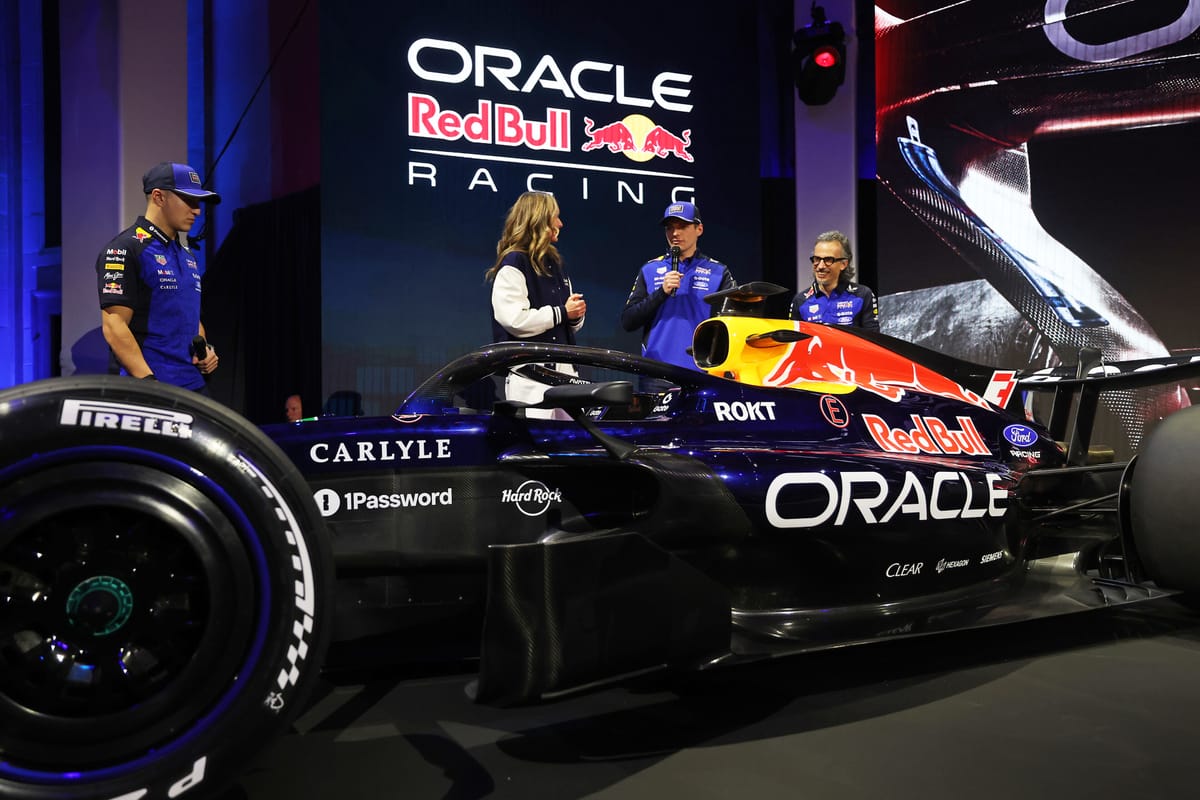
Red Bull's bold leap into manufacturing its own Formula 1 engine with Ford for 2026 promises excitement, but team principal Laurent Mekies has tempered expectations, warning of initial "struggles, headaches, and sleepless nights." Despite Ford's CEO Jim Farley claiming the partnership will be "unstoppable," Red Bull anticipates teething issues in the opening months as they race against established giants like Mercedes and Ferrari.[4][7]
The Massive Challenge of Building from Scratch
Unlike veterans with decades of power unit expertise, Red Bull-Ford starts anew under 2026's stricter rules, including a reduced 16:1 compression ratio. Technical director Ben Hodgkinson pushes designs to the "very limit," sparking rival suspicions of loopholes via thermal expansion for track advantages, potentially worth 13 horsepower. Yet, Mekies stresses realism: expecting instant parity would be naive after building everything from zero.[1][2][5]
Long-Term Confidence Amid Early Hurdles
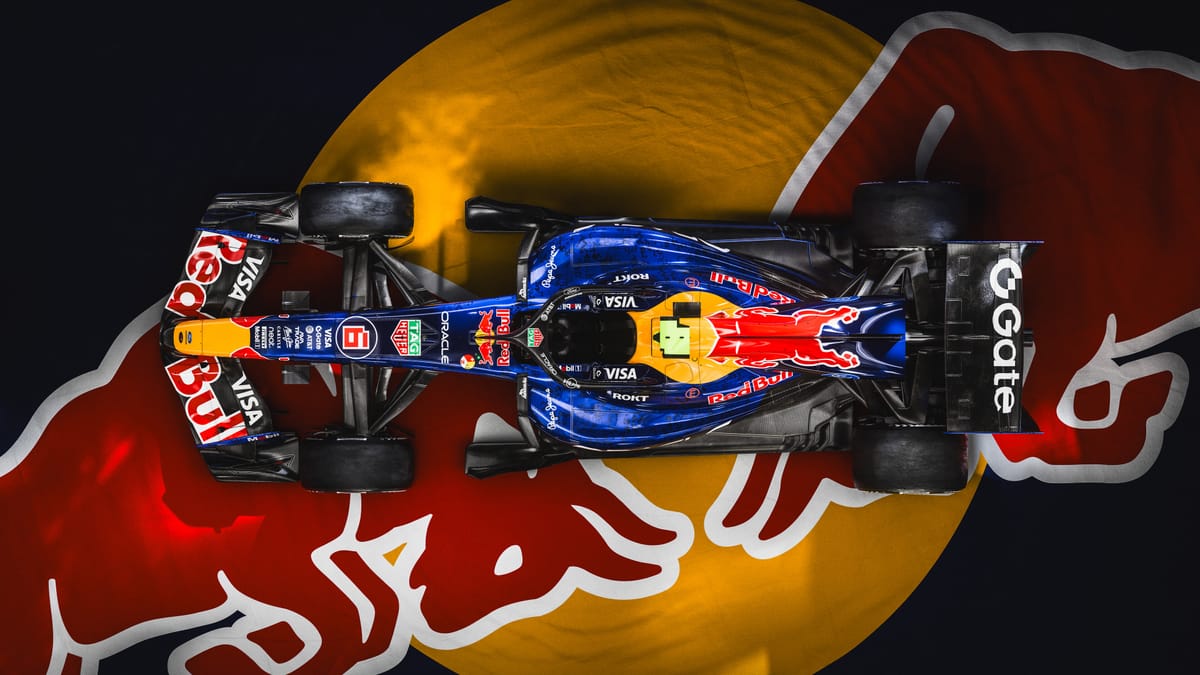
Mekies urges patience, confident their elite team will overcome early difficulties and emerge stronger, much like past regulation shifts. With pre-season testing looming, the vivid new Detroit livery hides uncertainties, but Red Bull eyes dominance post-initial battles, fueling the thrilling 2026 grid shake-up.[6][7]
About the Organizations Mentioned
Red Bull
Red Bull GmbH is a globally renowned energy drink company founded in 1984 by Austrian entrepreneur Dietrich Mateschitz and Thai businessman Chaleo Yoovidhya. The brand originated from a Thai energy beverage called Krating Daeng, created by Yoovidhya in 1976 for laborers and truck drivers. Mateschitz discovered the drink during a trip to Thailand and partnered with Yoovidhya to adapt and market it for Western consumers. Red Bull was launched in Austria on April 1, 1987, creating the energy drink category and positioning itself as a premium lifestyle brand with innovative marketing and distinctive packaging[1][2][5][6]. Red Bull has become a cultural icon, selling over 12.67 billion cans worldwide in 2024 across 178 countries and employing nearly 20,000 people. The company generated a turnover of approximately €11.2 billion in 2024, reflecting robust global growth[2]. Its success is attributed not only to its unique formula—containing caffeine and taurine—but also to its pioneering marketing strategies, including sponsoring extreme sports, music events, and its own sports teams. Notably, Red Bull owns and operates Formula 1 racing teams and a talent development program, further elevating its brand visibility and positioning it at the intersection of business, technology, and sports innovation[8]. The product’s flavoring continues to be produced in Bangkok, maintaining a link to its origins. Red Bull successfully transformed a niche functional drink for blue-collar workers into a trendy, upscale beverage embraced worldwide. The blend of taste, packaging, and bold marketing launched a new product category and established Red Bull as a leader in energy drinks and lifestyle branding[1][6]. Today, Red Bull is not only a beverage company but also a global media and sports powerhouse, continuously expanding its influence through innovative branding and technology-driven sports ventures.
Ford
## Overview Ford Motor Company is a global automotive industry leader, recognized as the second-largest automaker in the United States (after General Motors) and the sixth-largest worldwide[1]. Headquartered in Dearborn, Michigan, Ford designs, manufactures, markets, and services a full line of vehicles—including cars, trucks, SUVs, electrified vehicles, and luxury vehicles under the Lincoln brand[1]. The company operates in every major automotive market and is renowned for its innovation, manufacturing scale, and iconic brands. ## History and Key Achievements Founded in 1903 by Henry Ford, the company revolutionized the automotive industry with the introduction of the Model T in 1908, making cars affordable for the masses through assembly line production. This innovation not only transformed Ford but also set a new standard for industrial manufacturing worldwide. Over more than a century, Ford has introduced several landmark vehicles, such as the F-Series trucks—America’s best-selling vehicle for over four decades—and the Mustang, an enduring symbol of American automotive culture[1]. ## Current Status As of 2025, Ford continues to demonstrate strong financial performance, with revenues of $185 billion and net profits of $5.9 billion in 2024[1]. The company is led by CEO Jim Farley, who has prioritized both electrification and quality improvements since taking the helm in 2020[1]. Ford’s vehicle lineup remains robust, with the F-Series leading U.S. truck sales and electrified vehicles accounting for nearly 16% of its U.S. sales in the third quarter of 2025[3]. The company is aggressively investing in electric vehicles (EVs), committing $5 billion to develop a family of affordable, adaptable EVs and building a new battery plant in Michigan[2]. ## Notable Aspects and Challenges Ford is currently at a pivotal moment in its history. It is reinventing its manufacturing system to produce next-generation EVs, aiming to secure American jobs
Mercedes
Mercedes-Benz, founded in 1926 through the merger of Karl Benz’s and Gottlieb Daimler’s pioneering automotive companies, is a global leader in luxury vehicles, technology, and innovation. Headquartered in Stuttgart, Germany, Mercedes-Benz operates in 93 locations worldwide, with manufacturing facilities across 17 countries on five continents. The company’s mission—to move the world—has driven its legacy of automotive breakthroughs, including the invention of the crumple zone (1959), the airbag (1980), and advanced safety systems like PRE-SAFE® braking (2002). Mercedes-Benz is renowned for its luxury passenger cars, vans, and high-performance AMG models, as well as its growing portfolio of electric vehicles (EVs). In 2025, the company continued its strategic push toward electrification, unveiling new all-electric models such as the GLC 400 4MATIC and the electric CLA Shooting Brake at IAA MOBILITY. The company also introduced the CONCEPT AMG GT XX, previewing its next-generation AMG.EA vehicle architecture, signaling its commitment to technological leadership. Despite facing headwinds in 2025—including a 10% revenue decline in Q2 and profit pressures from tariffs and market challenges—Mercedes-Benz maintained robust cash flow and reaffirmed its full-year guidance. The company’s focus on digitalization, luxury positioning, and innovation remains central to its strategy. Recent moves, such as consolidating corporate functions in Atlanta and launching a new R&D center in the U.S., underscore its global ambitions. Mercedes-Benz Mobility, its financial services arm, reported strong contract volumes and solid earnings, supporting the group’s resilience. With a healthy balance sheet and a clear roadmap for electrification and technological advancement, Mercedes-Benz continues to navigate a complex global landscape while reinforcing its status as a benchmark in automotive excellence.
Ferrari
Ferrari is a world-renowned Italian luxury sports car manufacturer, famous for its iconic prancing horse emblem, high-performance vehicles, and deep roots in motorsport, especially Formula 1. Founded in 1947 by Enzo Ferrari, the company quickly gained a reputation for producing some of the most beautiful and powerful automobiles, combining cutting-edge engineering with Italian design excellence[4][7]. Historically, Ferrari established itself through early racing successes, such as wins at the 24 Hours of Le Mans in 1949 and the Carrera Panamericana in 1951, which cemented its status among elites globally. Its product line evolved from V12 front-engine cars to incorporating mid-engine layouts and smaller V6 and V8 engines, exemplified by landmark models like the Dino 206 GT and 365 GTB/4 in the 1960s, broadening its appeal while maintaining performance and exclusivity[4]. In recent years, Ferrari has balanced its rich heritage with innovation and sustainable growth. Between 2015 and 2024, it more than doubled its revenues, driven by a strong product portfolio and expanding into new markets and customer segments. The company is transitioning toward electrification while preserving its performance legacy, with plans to launch its first fully electric vehicle in 2025 and targeting a mix of 55% hybrid, 40% internal combustion, and 5% electric models by 2026. By 2030, Ferrari expects 40% of new cars to be fully electric, emphasizing handcrafted electric powertrains developed in Maranello to maintain the brand's distinctive driving experience[1][3][4]. Financially, Ferrari remains robust, with 2025 guidance upgraded to exceed 2026 profitability targets early, projecting revenues near €9 billion and EBITDA of at least €3.6 billion by 2030. The company has committed to significant R&D investments (~€4.7 billion) focusing on next-generatio