Rising Progressive Challenge in Texas: 2026 Elections and Senate Prospects

Rising Progressive Challenge in Texas
As the 2026 election cycle approaches, the Democratic Party faces internal upheaval reminiscent of the Tea Party revolt within Republicans a decade ago. Progressive activists in Texas are increasingly challenging establishment figures, signaling a shift in party dynamics. This revolt highlights growing dissatisfaction with traditional Democratic leadership, as grassroots progressives push for bolder policies and new faces in office.
Key Senate Contenders and Implications
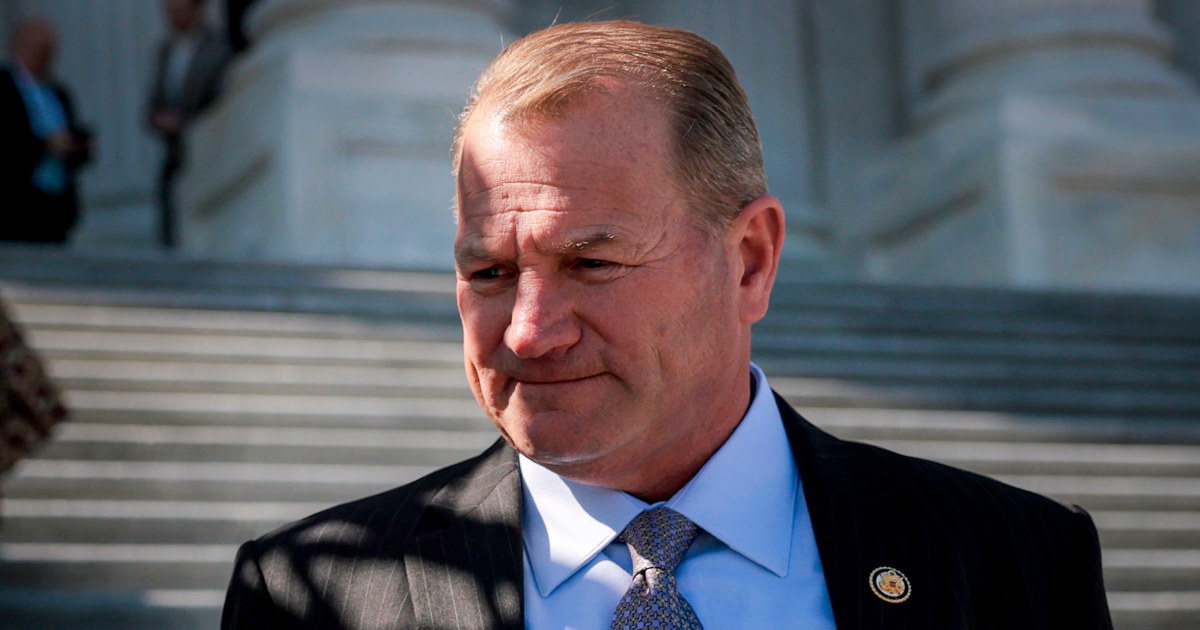
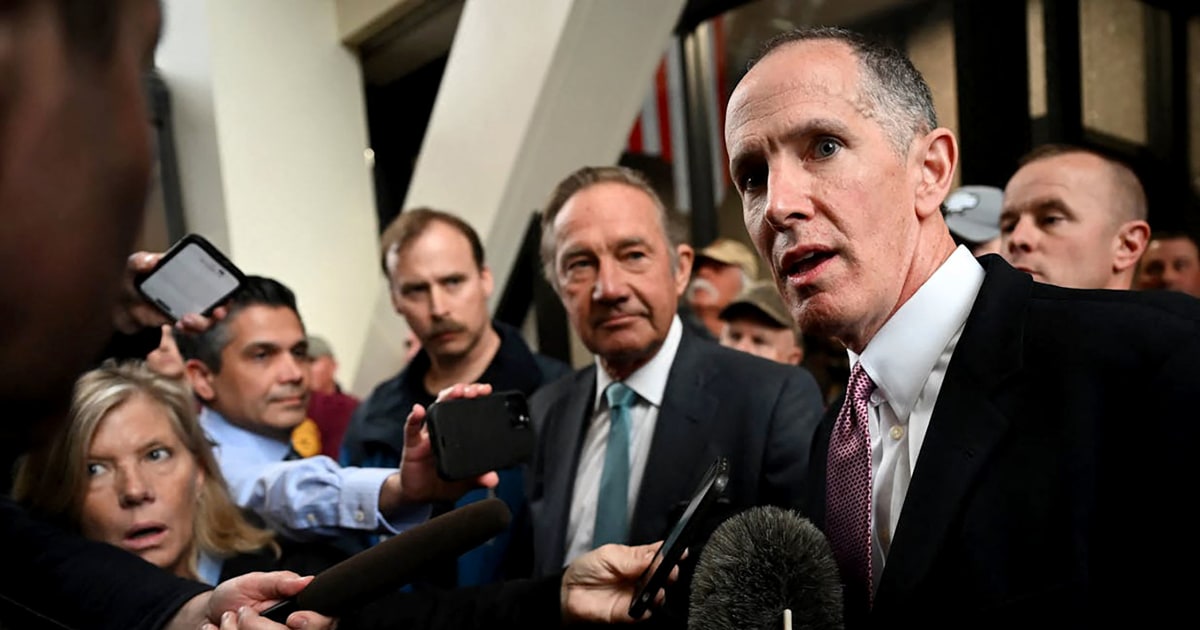
Texas Democrats are gearing up for a competitive Senate primary, with Rep. Jasmine Crockett leading the progressive charge. Her outspoken stance on progressive issues has energized many supporters, contrasting with more centrist or establishment Democrats. High-profile figures such as James Talarico and Terry Virts also vie for influence, while some former candidates have pivoted to other races, reflecting the shifting landscape within the party.
Broader Impact on 2026 Races
This intra-party tension could reshape Democratic strategies not only in Texas but across other states. The growing assertiveness of progressives suggests a redefinition of party priorities and could affect voter turnout and candidate selection, potentially influencing the balance of power in Congress after the 2026 elections.
About the Organizations Mentioned
Democratic Party
## Overview of the Democratic Party The Democratic Party is the oldest continuing political party in the United States, with its roots tracing back to 1792 as the Democratic-Republican Party. Founded by Thomas Jefferson and James Madison, it initially advocated for a decentralized government and states' rights, opposing a strong central authority[1][2]. Over time, the party evolved, becoming more progressive and supportive of federal government intervention in social and economic affairs. ## History The modern Democratic Party was formally established in 1828, with Andrew Jackson's presidential campaign marking a significant turning point. Jackson's successful campaign expanded voting rights to all white men, regardless of land ownership, and further reduced federal power[3][6]. The party became deeply divided during the Civil War era, with Northern Democrats supporting limited slavery expansion and Southern Democrats advocating for its perpetuation[3][5]. Post-Civil War, the party became a stronghold for Southern whites who opposed Reconstruction[3]. ## Key Achievements The Democratic Party has played a pivotal role in shaping U.S. history: - **Civil Rights**: The party supported key civil rights legislation, including the Voting Rights Act and the Civil Rights Act of 1964. - **Social Programs**: Democrats have been instrumental in establishing and expanding social programs like Social Security, Medicare, and Medicaid. - **Economic Policies**: The party has often championed progressive economic policies, including labor rights and environmental protection. ## Current Status Today, the Democratic Party is a major force in U.S. politics, advocating for a strong federal government role in addressing social and economic issues. It emphasizes progressive policies on healthcare, climate change, and economic inequality[6]. ## Notable Aspects - **Symbolism**: The party's symbol, the donkey, originated from Andrew Jackson's opponents calling him a "jackass," which his supporters adopted as a mascot[6]. - **Diversity**: The party has become increasingly diverse, representing a wide range of socio-economic and
Tea Party
The Tea Party movement is a conservative political movement in the United States that emerged prominently in 2009, advocating for limited government, fiscal restraint, and adherence to constitutional principles. It draws its symbolic name and inspiration from the 1773 Boston Tea Party, a historic protest against British taxation without representation[1][4]. The modern Tea Party gained momentum following the 2008 financial crisis and the Obama administration’s stimulus and healthcare reforms, which many members viewed as excessive government intervention[2][4]. The movement began as a grassroots campaign but was significantly supported and coordinated by well-funded networks, including think tanks and advocacy groups linked to conservative donors such as the Koch brothers. These organizations helped orchestrate state and national protests, shaped messaging, and mobilized activists through social media and traditional media outlets[3][4]. The Tea Party's first major nationwide action was the April 15, 2009 tax day rallies, which attracted over 250,000 participants protesting high taxes and government spending, emphasizing the slogan “Taxed Enough Already”[1][2][6]. Key figures associated with the movement include Ron Paul, who provided foundational libertarian ideas, and media personalities like Glenn Beck and Sarah Palin, who brought visibility to the cause[2]. Politically, the Tea Party influenced elections by supporting candidates such as Scott Brown and Rand Paul, shifting the balance of power in the Senate and promoting a more conservative Republican agenda[1]. Notable aspects of the Tea Party include its decentralized structure, with multiple local chapters that often acted independently, and its use of historical symbolism to evoke patriotism and constitutional originalism[4][6]. While praised for energizing conservative voters and impacting U.S. politics, it has faced criticism for extremism and internal divisions. Currently, the Tea Party as a distinct movement has largely declined in national prominence but its influence persists in ongoing conservative and libertarian political efforts within the Republican Party.
Republicans
The **Republican Party** is a major political organization in the United States, founded in 1854 in Jackson, Michigan, primarily by anti-slavery activists opposing the expansion of slavery into new U.S. territories[1][2]. Its origins lie in the political turmoil following the Kansas-Nebraska Act, which ignited sectional conflicts. The party emerged from a coalition of former Whigs, Free Soil Democrats, and abolitionists united by the ideology of "Free Soil, Free Labor, Free Men," advocating against slavery, supporting free market labor, and promoting modern economic development including railroads, banking, and high tariffs[4][6]. Key early achievements include the nomination and election of Abraham Lincoln as the first Republican president in 1860, whose leadership during the Civil War was pivotal in preserving the Union and abolishing slavery. Lincoln’s Emancipation Proclamation and the party’s role in passing the 13th, 14th, and 15th Amendments were landmark contributions to civil rights and the redefinition of American freedom[2][5][6]. The party dominated national politics from the Civil War era until the Great Depression, during which it was the principal advocate for industrial and business interests, protective tariffs, and national banking[2][5]. Throughout its history, the Republican Party has undergone ideological shifts but has consistently emphasized economic modernization and conservative fiscal policies, aligning with business and technological advancement. The early 20th century saw figures like Theodore Roosevelt promote progressive reforms, while later eras emphasized free enterprise and innovation to drive growth[2][4]. Currently, the Republican Party remains a central force in American politics, influencing policies related to business, technology, and governance. Its historical legacy as the party of Lincoln and abolition continues to be a defining aspect, shaping its identity and appeal, especially in debates over civil rights, economic policy, and national unity[5][6]. The party’s evolution reflects ongoing tensions between tradition and modernization within the U.S. political landscap
Texas Democrats
The **Texas Democratic Party** is a prominent political organization in Texas, affiliated with the national Democratic Party. It has a rich history dating back to 1846, with a mission to empower every Texan to reach their full potential through inclusive governance[3]. Historically, the party was dominant in Texas, but since the 1990s, it has faced challenges from the Republican Party, which has become the state's dominant force[1]. ### What the Organization Does The Texas Democratic Party is committed to advancing liberal policies, including increasing educational funding, supporting abortion access, cannabis legalization, LGBT rights, environmentalism, gun control, Medicaid expansion, and raising the minimum wage[1]. The party focuses on grassroots organizing and aims to build a strong presence across the state, particularly in underserved communities[2]. ### History and Key Achievements Notable achievements include the contributions of prominent figures like President Lyndon B. Johnson, who was a Texas Democrat. The party has also played a significant role in the state's political landscape, with 39 out of 48 past governors being Democrats[1]. However, the party has not won a statewide election since 1994, marking a significant decline in its influence[1]. ### Current Status Currently, the party is undergoing significant changes. Under the leadership of Chair Kendall Scudder, the headquarters is being relocated from Austin to Dallas, which has led to a top staff exodus[2]. Despite these challenges, the party remains committed to its core values and is working to strengthen its grassroots presence across Texas, including opening new offices in Amarillo, Eagle Pass, and Houston[2]. ### Notable Aspects The Texas Democratic Party is known for its strong support among Black Texans, Hispanic Texans, young Texans, and urban residents[1]. However, recent shifts in Hispanic voter allegiance towards the Republican Party pose challenges for the Democrats[1]. The party has also been involved in high-profile political actions, such as the recent House