Risk-Based Breast Cancer Screening: Who Should Get Mammograms and When

New study questions who should get mammograms and when
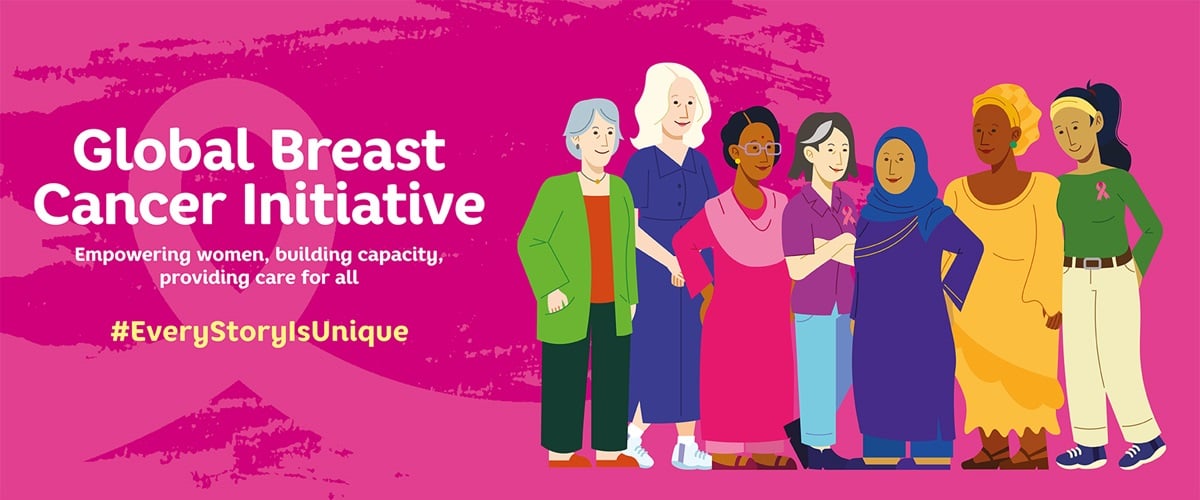
A large randomized trial published in JAMA examined whether tailoring breast cancer screening to individual risk is as safe as annual mammography and found comparable rates of advanced cancer detection, prompting debate about shifting from one-size-fits-all screening to a risk-based approach that personalizes frequency and modality of imaging for women with different risk profiles.
Practical implications and expert concerns
Authors note risk-based screening could reduce unnecessary imaging and focus resources, but critics warn about implementation challenges such as accurate risk assessment, health equity, patient acceptance, and system-level coordination; pilot programs and clear communication strategies will be essential to ensure underserved groups are not disadvantaged by more complex guidance.
What patients should know
Patients should discuss personal risk factors, family history, and preferences with clinicians to decide an individualized screening plan while guidelines evolve and further research clarifies long-term outcomes.
About the Organizations Mentioned
JAMA
**JAMA: The Journal of the American Medical Association** is a premier peer-reviewed medical journal published 48 times annually by the American Medical Association (AMA), delivering original research, reviews, and editorials across biomedicine.[1][2][6] Renowned for its rigorous standards, it shapes clinical practice and public health discourse worldwide.[2] Founded in 1883 by Nathan Smith Davis, JAMA succeeded the AMA's *Transactions* and evolved through name changes, adopting its full title in 1960.[1][2] Early editors built its reputation for evidence-based insights, with peer review ensuring quality—experts vet submissions for accuracy before publication.[2] Key achievements include its status as a top global medical journal, influencing policy and discovery.[2] A milestone came in 2016 when President Barack Obama published an article on July 11—the first sitting U.S. president to do so in such a venue.[2] JAMA's network now spans specialty journals, amplifying reach via platforms like JAMA Network.[6] Currently, Kirsten Bibbins-Domingo of UC San Francisco serves as editor-in-chief since July 1, 2022, succeeding Howard Bauchner.[1][2] It covers diverse topics—from cohort studies and meta-analyses to AI in oncology and infectious diseases—via structured formats like systematic reviews.[6][7] For business and tech enthusiasts, JAMA intersects innovation: it explores AI's role in diagnostics, comparative effectiveness research for health tech, and economic impacts of treatments.[6][7] Its high-impact factor drives pharma investments and policy, underscoring medicine's tech-business nexus. With an ISSN of 0002-9955 (pre-1960) and OCLC 1124917, JAMA remains indispensable.[2] (Word count: 298)