Hawaii Health Officials Probe Chickenpox Outbreak at Kauai School

Hawaii Health Officials Probe Chickenpox Outbreak at Kauai School
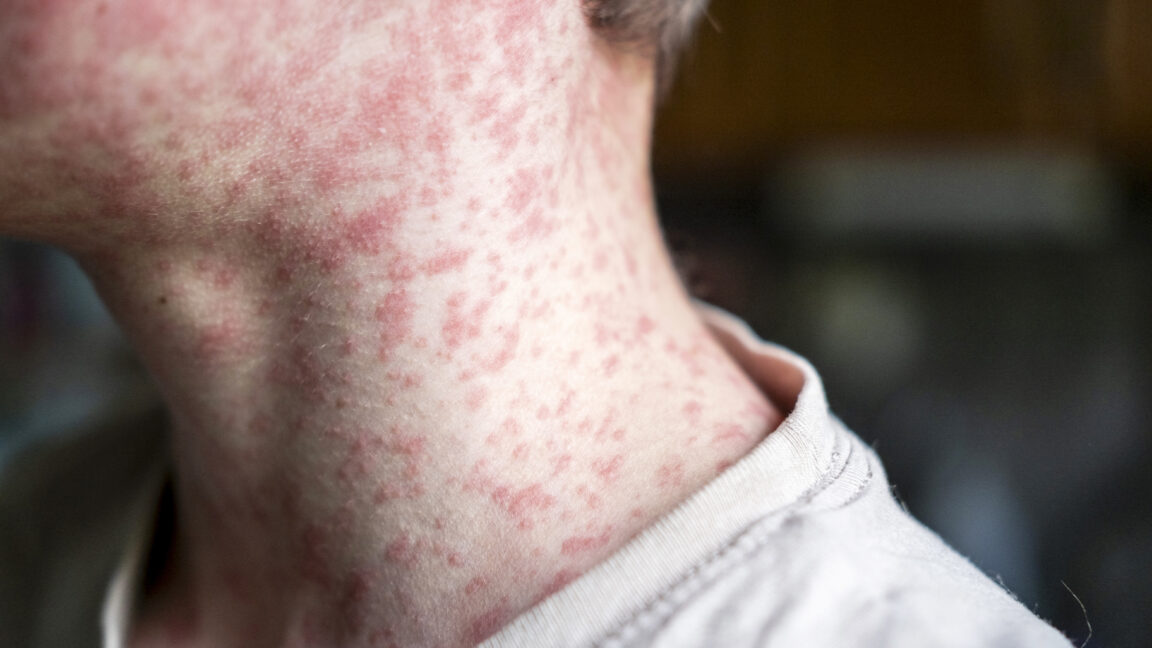
Hawaii Department of Health is urgently investigating a chickenpox outbreak at Kīlauea Elementary School on Kauai, with five confirmed cases reported as of late January 2026. Four students and one household member—all unvaccinated—have shown symptoms, prompting swift public health alerts.[1][2]
Understanding the Threat and Transmission
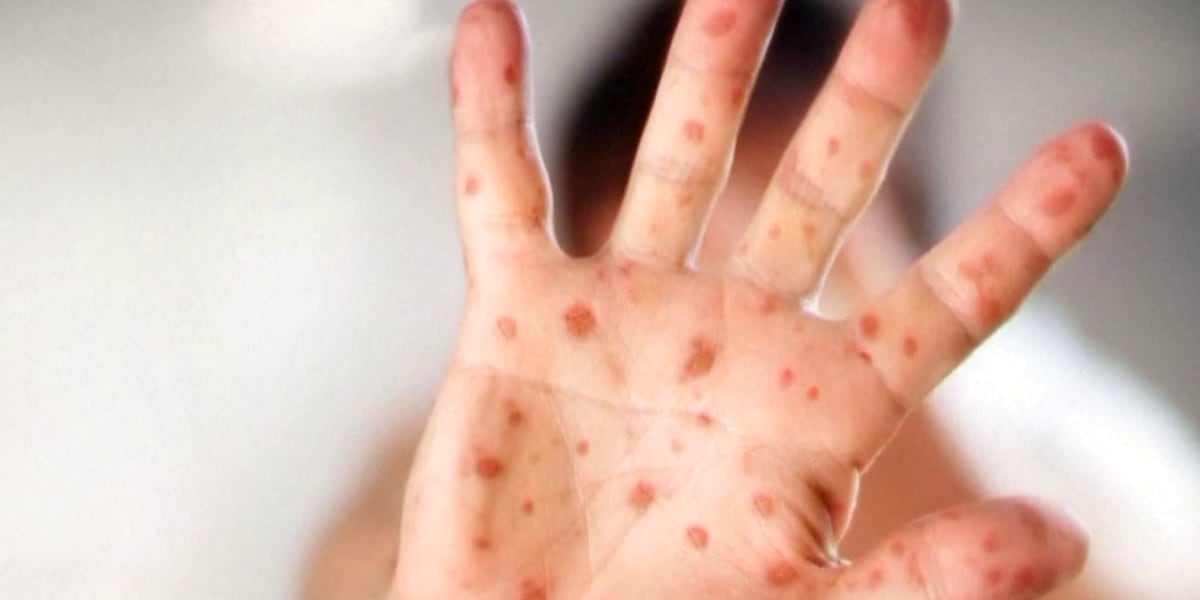
Chickenpox, caused by the varicella-zoster virus, spreads rapidly through airborne droplets from coughs or sneezes, or by touching blister fluid. Infected individuals can transmit it one to two days before the itchy, blistering rash appears until scabs form. While most cases resolve with supportive care, risks escalate for pregnant women, infants, adolescents, adults, and those with weakened immune systems, potentially leading to severe complications or worse.[1][2]
Protective Steps and Vaccination Push
Officials strongly urge vaccination—two doses for those without prior infection or immunity—as the best defense, yielding milder symptoms even if breakthrough occurs. Close contacts should consult doctors promptly; high-risk groups ineligible for vaccines have timely alternatives. Stay vigilant to curb spread in schools and communities.[1][2]
About the Organizations Mentioned
Hawaii Department of Health
The **Hawaii Department of Health (DOH)** is the state agency responsible for protecting and improving health and environmental conditions across Hawaii[3]. Established under Hawaii Revised Statutes chapter 321 and headed by a Director of Health, the department operates under a comprehensive mission that addresses public health, environmental protection, and behavioral health services[1][2]. The DOH functions through multiple administrative divisions led by specialized deputy directors[2]. The **Health Resources Administration** oversees communicable disease control, family health services, and chronic disease prevention. The **Environmental Health Administration** manages hazard evaluation, environmental planning, and state laboratories. The **Behavioral Health Administration** addresses mental health, substance abuse, and developmental disabilities[2]. Key operational divisions include the **Disease Outbreak Control Division**, which monitors and investigates infectious diseases while managing immunization programs and the Hawaii Immunization Registry[1]. The department also operates the **Hawaii Public Health Laboratory**, featuring three main branches: medical microbiology for pathogen identification, laboratory preparedness for bioterrorism and chemical exposure response, and environmental health analytical services for testing water and food safety[4]. The DOH's guiding philosophy emphasizes that health—encompassing physical, mental, social, and environmental well-being—is both a right and responsibility of Hawaii's people[3]. The department prioritizes the "five A's" of healthcare: affordability, appropriateness, assured quality, availability, and accessibility[3]. The organization serves as the state's primary public health authority, coordinating statewide health planning, conducting disease investigations, managing immunization services, and providing care coordination for at-risk populations[1]. It also functions as a service provider of last resort for uninsurable populations where no other alternatives exist[3]. Through its multiple divisions and offices, the DOH maintains Hawaii's public health infrastructure, emergency preparedness capabilities, and environmental protection standards.
Kīlauea Elementary School
**Kīlauea Elementary School**, a public elementary institution on Kauaʻi's North Shore in Hawaii, serves Pre-K through 6th-grade students, fostering lifelong learning in a historic setting tied to the island's plantation past.[1][2][3] Founded in 1882 as an "English School" for 54 children of Kīlauea Sugar Plantation workers, it pioneered public education in this rural community.[1][7] The current campus on 6.5 acres along Kolo Road features a U-shaped main building (constructed 1922 by architect John Waiamau), a cafeteria, and teacher's cottage, all designed in a style reflecting early 20th-century Kauai architecture.[1] This complex earned National Register of Historic Places designation in 1983 for embodying rural schoolhouse typology and advancing local education.[1] Under Principal Fig Mitchell, the school—part of the Hawaii Department of Education's Kapaʻa-Kauaʻi-Waimea Complex Area—enrolls about 283 students and offers a Gifted & Talented program alongside standard curricula.[2][4][8] It emphasizes participatory engagement, intellectual growth, and community traditions, as showcased in student-produced films capturing daily life and campus adventures.[3] Enrollment for the 2025-2026 school year includes Kindergarten registration packets, signaling ongoing vitality.[3] Academically, it performs at an average level compared to Hawaii's public and charter elementary schools based on state tests, with a focus on supporting diverse learners, including those with disabilities.[4] Notable for its 140+ years of service (100 on the current site), the school blends heritage preservation with modern education, maintaining a positive culture amid Kīlauea's scenic neighborhood.[1][3][4] Though not a business or tech hub, its enduring legacy—from plantation roots to historic status—highlights innovative communit