Understanding the Nipah Virus Threat: Symptoms, Progression, and Prevention
#nipah_virus #outbreak #health #infectious_disease #public_health

Understanding the Nipah Virus Threat
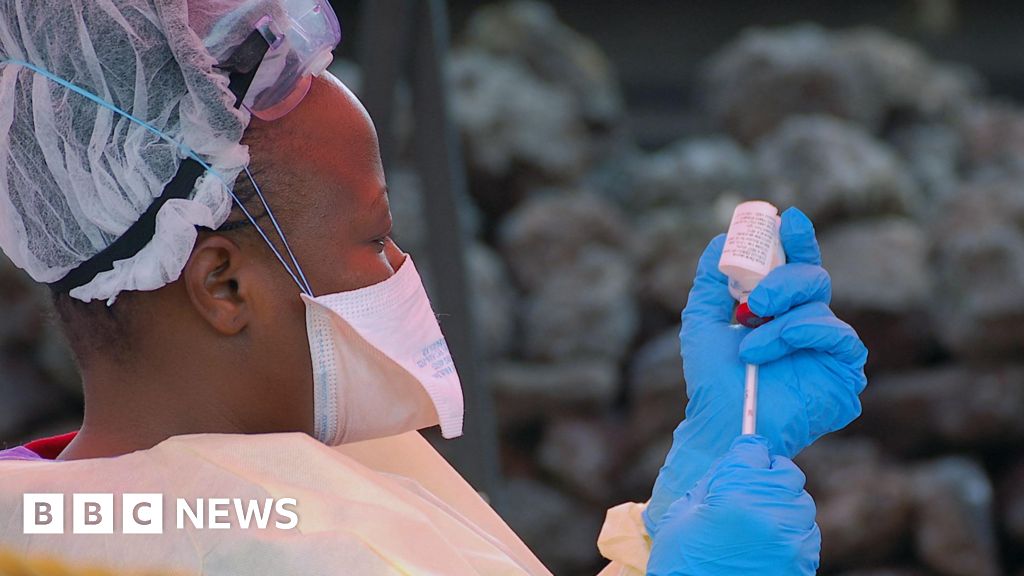
The Nipah virus has resurfaced with two confirmed cases among healthcare workers in West Bengal, India, prompting global alerts from the World Health Organization.[1][2] This rare but deadly pathogen, first identified in 1998, spreads from fruit bats to humans via contaminated food or close contact, boasting fatality rates of 40% to 75%.[1][7] Recent detections in nurses highlight risks in medical settings, spurring surveillance in nations like Thailand and Nepal.[1]
Symptoms and Rapid Progression
Initial signs mimic flu: fever, headache, muscle pain, vomiting, and sore throat, emerging 4 to 14 days post-exposure.[2][5][7] Severe cases escalate quickly to encephalitis, causing dizziness, confusion, seizures, respiratory distress, and coma within 24-48 hours.[2][6][10] Survivors may face lasting neurological damage, underscoring the urgency of early detection.[1][7]
Treatment Challenges and Prevention
No specific cure or vaccine exists; care focuses on supportive measures like hydration, ventilation, and symptom management.[4][7][8] Promising monoclonal antibodies are in trials.[1][11] Prevention relies on hygiene, avoiding bat-prone areas, and contact precautions to curb outbreaks effectively.[5][8]
About the Organizations Mentioned
World Health Organization
The World Health Organization (WHO) is a specialized agency of the United Nations, established in 1948, with a mandate to promote global health, coordinate international responses to public health threats, and set standards for health policies and interventions[2]. Headquartered in Geneva, Switzerland, WHO operates in over 150 countries, working with governments, NGOs, and other partners to advance health equity, strengthen health systems, and respond to health emergencies. ## What WHO Does WHO’s core activities include monitoring global health trends, setting international health standards, providing technical assistance to countries, and serving as a forum for scientific and policy discussions on health issues[2]. The organization publishes influential reports such as the annual **World Health Statistics**, which tracks progress toward Sustainable Development Goals (SDGs) and provides a global “health report card”[1][8]. WHO also maintains the Model List of Essential Medicines, guiding countries on which drugs are most critical for public health[7]. In addition, WHO leads global campaigns on issues ranging from infectious disease eradication to noncommunicable diseases (NCDs), maternal and child health, and health emergencies[2][6]. ## History and Key Achievements WHO’s history is marked by landmark achievements, including the eradication of smallpox, near-eradication of polio, and the development of an Ebola vaccine[2]. The organization played a pivotal role in responding to the COVID-19 pandemic, coordinating global research, vaccine distribution, and public health guidance. In May 2025, WHO member states adopted the world’s first **Pandemic Agreement**, a historic step to improve international coordination and equity in future health crises[4]. WHO also spearheads initiatives like the Triple Billion Targets (healthier lives, universal health coverage, and protection from health emergencies) and technical policy packages targeting tobacco, alcohol, salt, and trans fat reduction[1][2]. ## Current Status and Notable Aspects WHO is currently implementing its **Fou