The Risk of Choosing Buttigieg as Harris's Running Mate

Introduction
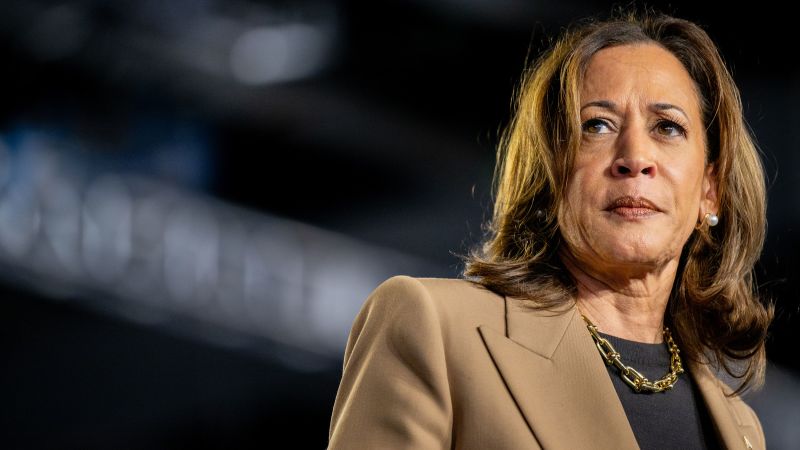
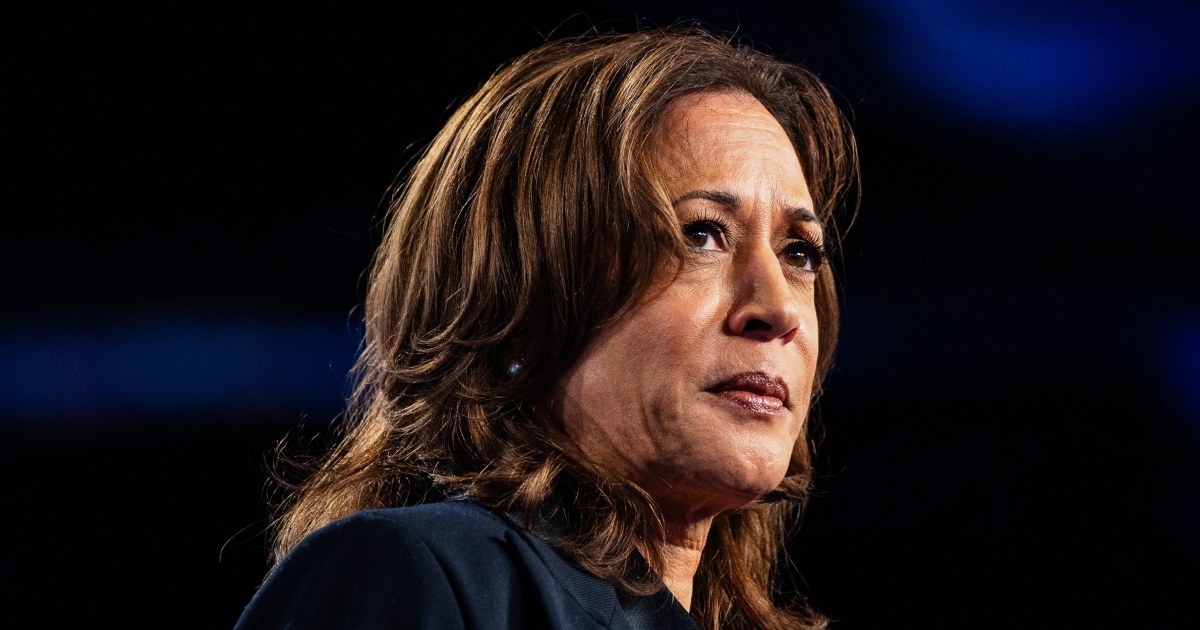
In a recent passage from Joe Biden's new book, he explained why he chose Kamala Harris as his running mate instead of Pete Buttigieg. Harris responded by saying that it would have been too risky to pick Buttigieg as her running mate. However, the former transportation secretary has a different perspective on the matter.
Buttigieg's Response
Buttigieg believes that Harris could have taken a risk by choosing him as her running mate. He argues that as a first-time presidential candidate, Harris needed a running mate who could bring a different perspective and a fresh approach to the campaign. Buttigieg also highlights his experience as a successful mayor and transportation secretary, which could have added valuable insights to the campaign.
The Importance of Risk-Taking in Politics
In the world of politics, taking risks can often lead to great success. Harris may have played it safe by choosing a more experienced and well-known candidate, but taking a risk and choosing Buttigieg could have paid off in the end. This situation brings to light the importance of considering different perspectives and being open to taking calculated risks in politics.
About the People Mentioned
Joe Biden
Joseph Robinette Biden Jr., commonly known as Joe Biden, is the 46th President of the United States, serving from 2021 to 2025. Born on November 20, 1942, in Scranton, Pennsylvania, Biden moved to Delaware with his family in 1953. He graduated from the University of Delaware in 1965 and Syracuse University Law School in 1968. Before entering national politics, Biden served on the New Castle County Council and later became one of the youngest U.S. Senators at the age of 29, representing Delaware from 1973 to 2009. During his Senate career, Biden chaired the Senate Judiciary Committee and Foreign Relations Committee. He played a crucial role in drafting several significant pieces of legislation, including the Violence Against Women Act and the Violent Crime Control and Law Enforcement Act. Biden also oversaw several U.S. Supreme Court confirmation hearings. In 2008, he was chosen by Barack Obama as his vice presidential running mate, serving two terms as the 47th Vice President of the United States. In 2020, Biden won the presidential election, defeating incumbent President Donald Trump. As President, he focused on rebuilding America's international leadership and implementing policies to address economic recovery and social issues. Biden's presidency concluded on January 20, 2025, when Donald Trump returned to office. Recently, Biden announced that he had been diagnosed with Stage 4 prostate cancer. Despite his health challenges, Biden remains a figure of national interest, with ongoing discussions about his political legacy and influence. His dedication to public service and his efforts to expand opportunities for Americans have been central themes throughout his career.
Kamala Harris
Kamala Devi Harris was born on October 20, 1964, in Oakland, California, and served as the 49th Vice President of the United States from 2021 to 2025 under President Joe Biden.[1] She made history as the first woman, first Black American, and first South Asian American to hold the office of Vice President.[1][2] Harris began her legal career as a deputy district attorney in Oakland from 1990 to 1998, where she specialized in prosecuting gang violence, drug trafficking, and sexual abuse cases.[1] She rose through the ranks to become District Attorney of Oakland in 2004, where she became a national leader in LGBTQ+ rights and established innovative programs, including one that provided first-time drug offenders opportunities to earn high school diplomas and find employment—a program designated as a national model by the U.S. Department of Justice.[2][4] In 2010, Harris was elected Attorney General of California, becoming the first woman and first Black American to hold that position.[1] She served in this role until 2017, when she was elected to the U.S. Senate, becoming only the second Black woman ever elected to the Senate.[6] During her Senate tenure, she championed legislation on hunger relief, maternal health care, climate action, and infrastructure while serving on the Judiciary and Intelligence committees.[3] As Vice President, Harris worked on addressing migration from Latin America, protecting voting rights, and preserving access to abortion following the 2022 Supreme Court Dobbs decision.[1] She cast the decisive vote for the Inflation Reduction Act, the largest climate investment in history, and presided over the confirmation of Justice Ketanji Brown Jackson to the Supreme Court.[3][4] Harris visited 36 states and made 17 foreign trips to 21 countries, meeting with over 150 world leaders.[2] On July 21, 2024, Harris announced her presidential campaign after President Biden withdrew from the race.[4] She became the Democratic Party's nominee on August 5, 2024, making history as the first Black woman and first South Asian woman nominated for president by a major U.S. political party.[4] She was defeated by Donald Trump in the November 2024 election.
About the Organizations Mentioned
Transportation Department
The United States Department of Transportation (USDOT) is a pivotal executive branch agency established in 1966, responsible for overseeing the nation's transportation systems and infrastructure. Its primary mission is to ensure a fast, safe, efficient, accessible, and convenient transportation system for all Americans[1][2]. The department is led by the Secretary of Transportation, appointed by the President with Senate consent, and is advised by the Under Secretary for Policy[1]. ## Key Responsibilities and History The USDOT develops and implements federal transportation policies, ensuring the safety and efficiency of highways, railroads, air travel, and maritime transport. It also administers funding for transportation projects, including local transit systems[2]. Historically, the department has played a crucial role in shaping America's transportation landscape, from the development of highway systems to advancements in aviation and rail transport. ## Key Achievements and Current Status Notable achievements include the establishment of the Federal Aviation Administration (FAA), Federal Highway Administration (FHWA), and the National Highway Traffic Safety Administration (NHTSA)[3]. Currently, the department is focused on strategic goals such as maintaining infrastructure in a state of good repair, promoting economic competitiveness, and advancing environmental sustainability[5]. The USDOT accounted for 1.7% of federal spending in FY 2024, reflecting its ongoing commitment to enhancing transportation systems[2]. ## Notable Aspects A key aspect of the USDOT is its diverse range of agencies, including the Federal Motor Carrier Safety Administration (FMCSA) and the Federal Railroad Administration (FRA), which work together to ensure safety and efficiency across different modes of transportation[3]. The department also engages with emerging technologies to prepare for the future of transportation, making it a significant player in both business and technology sectors[7]. Additionally, initiatives like America's Byways highlight the department's role in preserving scenic and culturally significant roads[1].