Scientists Brave Antarctica's Harshest Conditions: Drilling Thwaites Glacier to Decode Melting

Scientists Brave Antarctica's Harshest Conditions
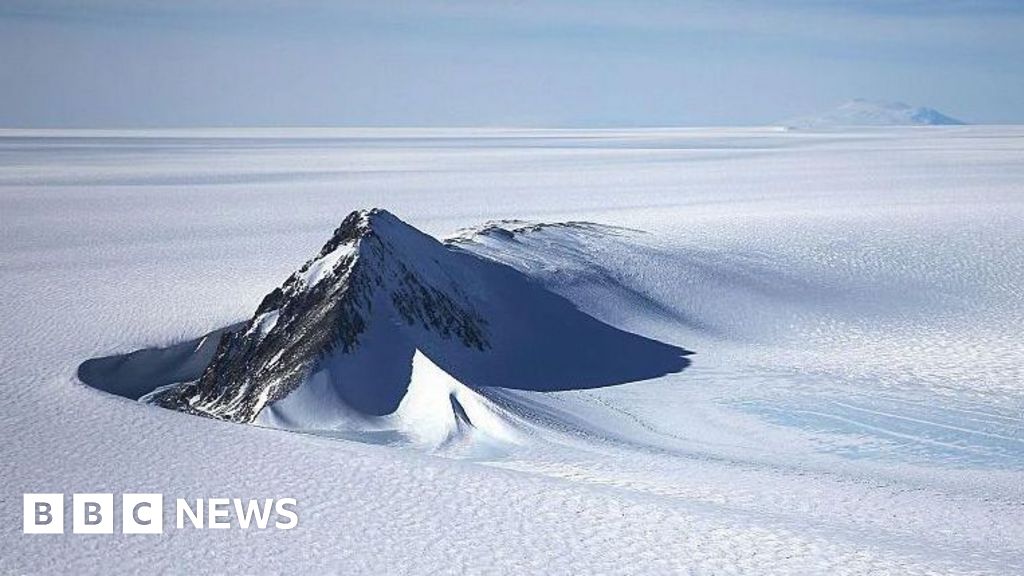
Researchers from the UK and Korea recently attempted an ambitious mission to drill through 3,000 feet of ice on Thwaites Glacier, nicknamed the "Doomsday Glacier" due to its critical role in sea-level rise. Using hot-water drilling technology, the team successfully penetrated the ice and deployed instruments to measure ocean conditions beneath the glacier for the first time ever.
When Nature Wins the Battle
Despite initial success, the mission hit an unexpected obstacle during final deployment. A mooring system designed to transmit data for one to two years became stuck in the borehole, likely due to refreezing ice and the glacier's rapid movement of over 30 feet daily. The team's short-term measurements revealed turbulent ocean conditions and warm water driving substantial melting at the ice base.
Lessons for Future Exploration
Though incomplete, this expedition represents significant scientific progress. The data collected provides vital insights into Thwaites' melting mechanisms, offering crucial information for predicting sea-level rise. Future missions will build on these technical and scientific lessons learned.
```