Antarctica's Hidden Bedrock: Unveiling Ice Dynamics and Sea-Level Risk
#antarctica #ice_dynamics #climate_change #sea_level #science
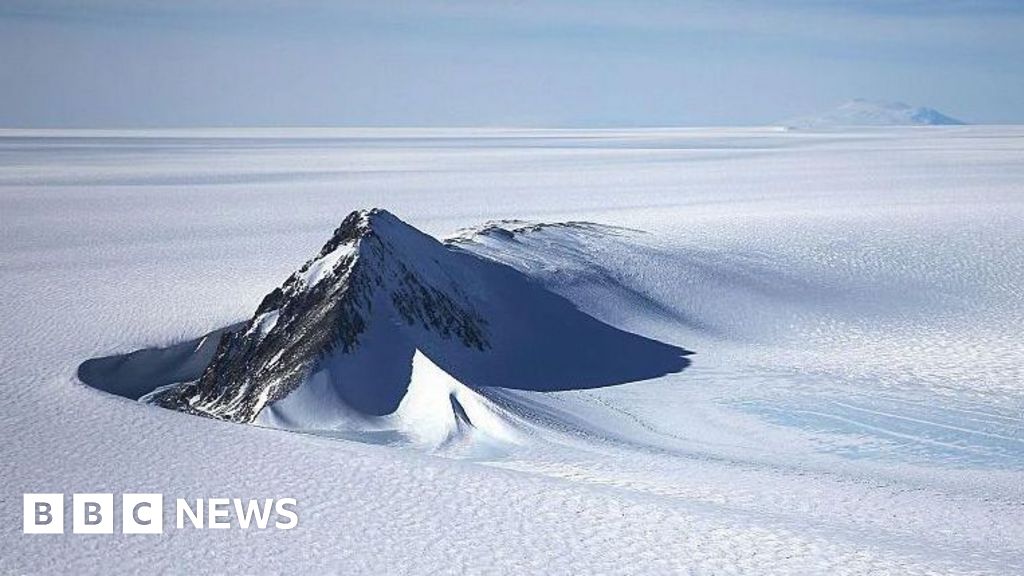
Unveiling Antarctica's Hidden Terrain
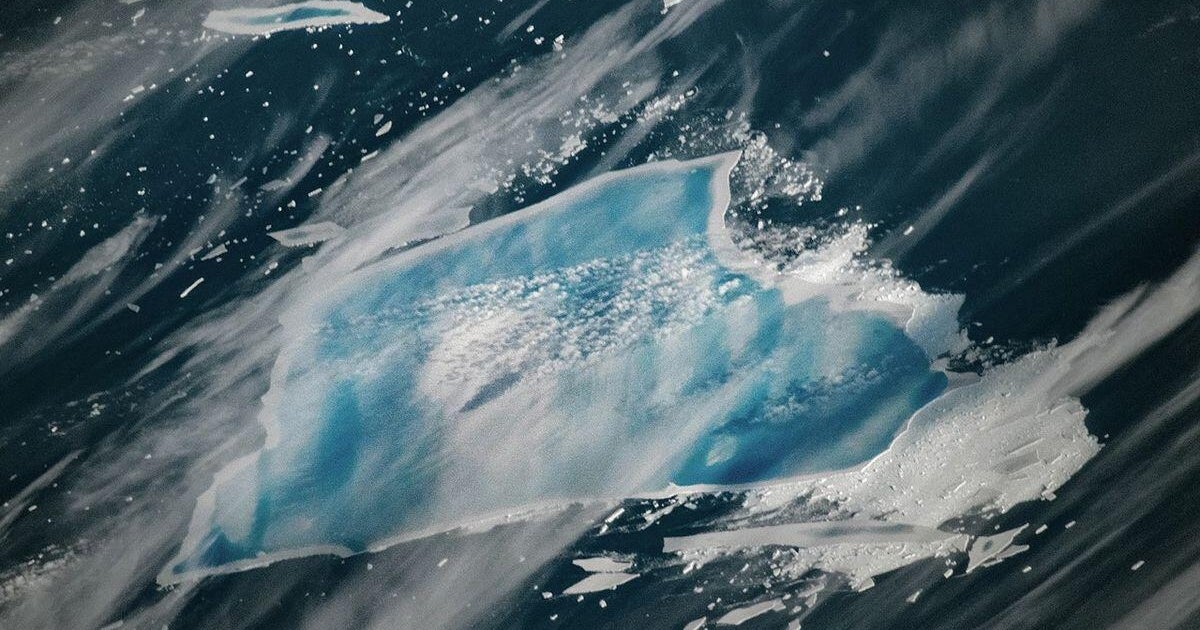
Scientists have mapped the landscape beneath Antarctica's ice sheet in unprecedented detail, revealing mountains, valleys, and subglacial lakes never seen before. This breakthrough, highlighted by BBC reports, uses advanced radar and satellite data to peer through kilometers of ice, offering a clearer view of the continent's bedrock[1][2].
Insights into Ice Dynamics
The map exposes how bedrock topography influences ice flow, with steep slopes accelerating movement toward the sea. In West Antarctica, thinning ice shelves like Larsen B expose vulnerabilities, as warm ocean waters erode bases, promoting rapid calving[3][4]. Sea ice declines, down 1.9 times faster than Arctic rates, further destabilize shelves, hastening glacial discharge[2].
Implications for Climate Change
This detailed view predicts ice sheet responses to warming, where full melt could raise seas by 60 meters. Current losses exceed 150 billion tons yearly, potentially doubling by 2100 under high emissions, urging emission cuts to avert catastrophe[1][5][7]. Understanding these shifts is vital for global sea level forecasts and coastal defenses.
About the Organizations Mentioned
BBC
## Overview The British Broadcasting Corporation (BBC) is the world’s oldest and largest national broadcaster, serving as a cornerstone of public service media in the United Kingdom and beyond[1][2]. Headquartered in London, the BBC operates under a royal charter and is primarily funded by a television licence fee paid by UK households, ensuring its editorial independence from both government and commercial interests[1][2]. This model allows the BBC to fulfill its mission to “inform, educate, and entertain” with impartiality at its core[3]. ## History and Evolution The BBC was founded on October 18, 1922, as the British Broadcasting Company Ltd., evolving into a public corporation under royal charter on January 1, 1927[1][2]. Its first Director-General, John Reith, established principles of independence and public service that continue to guide the organization. The BBC launched its television service in 1936, pioneering broadcasting technology, and expanded globally with the BBC World Service in 1932, now broadcasting in 28 languages[1][2]. ## Key Achievements The BBC has been a trailblazer in broadcasting, introducing innovations such as regular television broadcasts, color TV, and digital platforms like BBC iPlayer[1][2]. It has earned a reputation for high-quality journalism, producing globally recognized programs in news, drama, and documentary. The BBC’s international arm, BBC Studios, commercializes content worldwide, while the BBC World Service remains a vital source of news in regions with limited press freedom[1]. The corporation has received numerous accolades, including the Queen’s Award for Enterprise for its international business achievements[1]. ## Current Status and Digital Transformation With over 21,000 employees, the BBC remains a dominant force in media, generating £5.4 billion in annual income, mostly from licence fees[2]. It operates multiple TV channels, radio stations, and a robust online presence, including BBC News Online and BBC.com[1