South Carolina Measles Outbreak Surges: Hundreds in Quarantine as Cases Climb to 111

South Carolina Measles Outbreak Surges with Hundreds in Quarantine
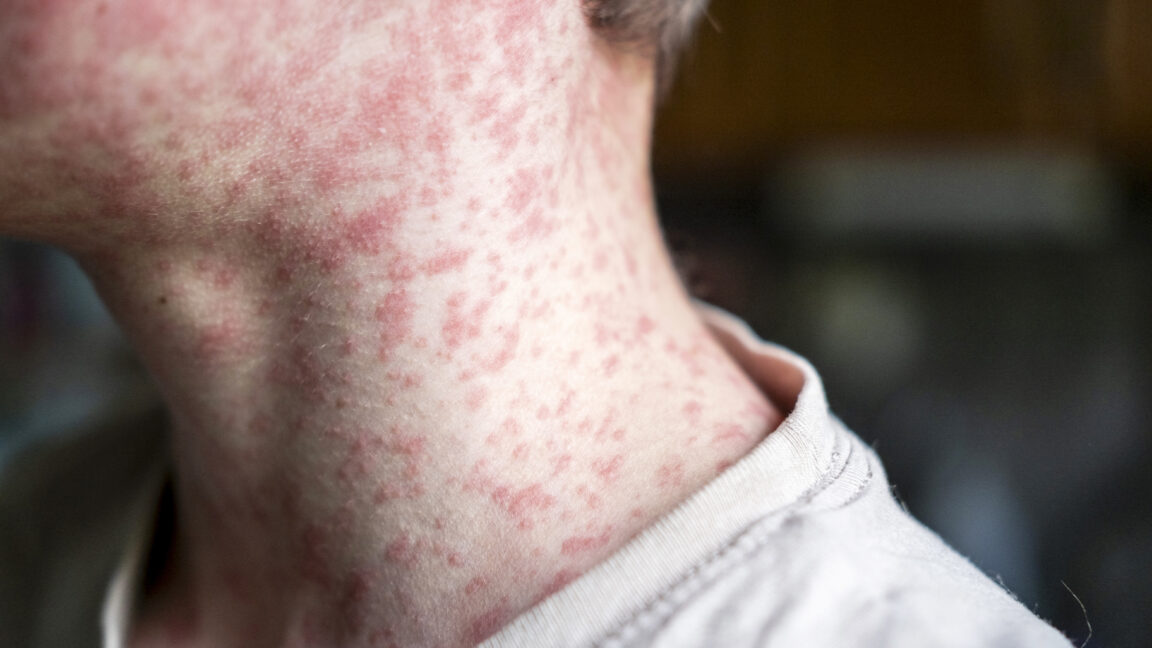
A rapidly accelerating measles outbreak in South Carolina's Upstate region has placed hundreds under quarantine as cases climb to 111, according to the latest Department of Public Health update on December 9, 2025. This spike follows a national surge, with over 1,900 U.S. cases reported this year, 88% outbreak-linked, primarily among unvaccinated individuals. In Spartanburg County, the epicenter, infections have exploded from 10 in early October to dozens more weekly, overwhelming local health resources.
Triggers and Transmission Hotspots
State epidemiologists link the acceleration to post-Thanksgiving travel and low vaccination rates, with 105 of 111 cases unvaccinated or partially so. At least 16 infections trace to a church gathering, alongside school exposures in areas with historically poor immunization coverage. The highly contagious virus lingers in air for two hours, fueling rapid spread among children under 18, who comprise most victims.
Public Health Response and Prevention
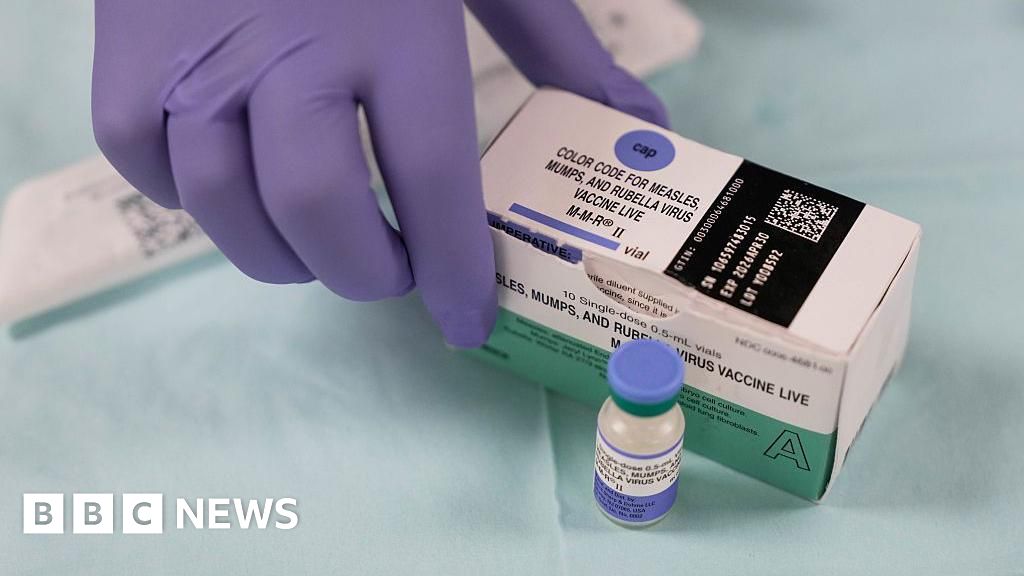
Hospitals report 11% hospitalization rates nationwide, underscoring measles severity despite available vaccines. South Carolina urges MMR shots, contact tracing, and quarantine compliance to curb this crisis mirroring national trends in under-vaccinated communities. Boosting immunity remains key to halting further escalation.
About the Organizations Mentioned
Department of Public Health
The **Department of Public Health** generally refers to government agencies responsible for protecting and promoting the health of populations through organized community efforts. In the United States, the federal public health system is primarily coordinated by the **United States Public Health Service (USPHS)**, which operates within the **Department of Health and Human Services (HHS)**. The USPHS encompasses major agencies such as the **Centers for Disease Control and Prevention (CDC)**, **National Institutes of Health (NIH)**, **Food and Drug Administration (FDA)**, and others, which collectively address disease prevention, health promotion, epidemiology, research, and regulatory oversight[1][2]. Historically, public health functions evolved from localized efforts to a structured federal system, with significant reorganizations in the 1960s and 1990s that shaped the USPHS into a coordinating body overseeing multiple operating divisions. The USPHS also includes the **Commissioned Corps**, a uniformed service of over 6,000 public health professionals dedicated to rapid response to health crises and advancing public health science[2]. Key achievements of the Department of Public Health and its agencies include advancing epidemiological surveillance, controlling infectious diseases, promoting health equity, and establishing regulatory frameworks for food, drugs, and environmental safety. For example, the CDC's role in monitoring population health and responding to health emergencies has been critical in managing outbreaks and chronic disease prevention[1][4]. Currently, the public health system operates as a complex, multi-level network involving federal, state, and local agencies, reflecting a "patchwork" model tailored to diverse community needs. State and local health departments may function independently or within larger umbrella organizations, adapting public health programs accordingly[3][5]. The system emphasizes ten essential public health services, such as monitoring health status, enforcing health laws, and mobilizing community partnerships to improve health outcomes[4]. Notably, the Department of Public Health integrates advanced technology, data analytics, and research to innovat