South Korea Turns to China for Mediation on North Korea Crisis
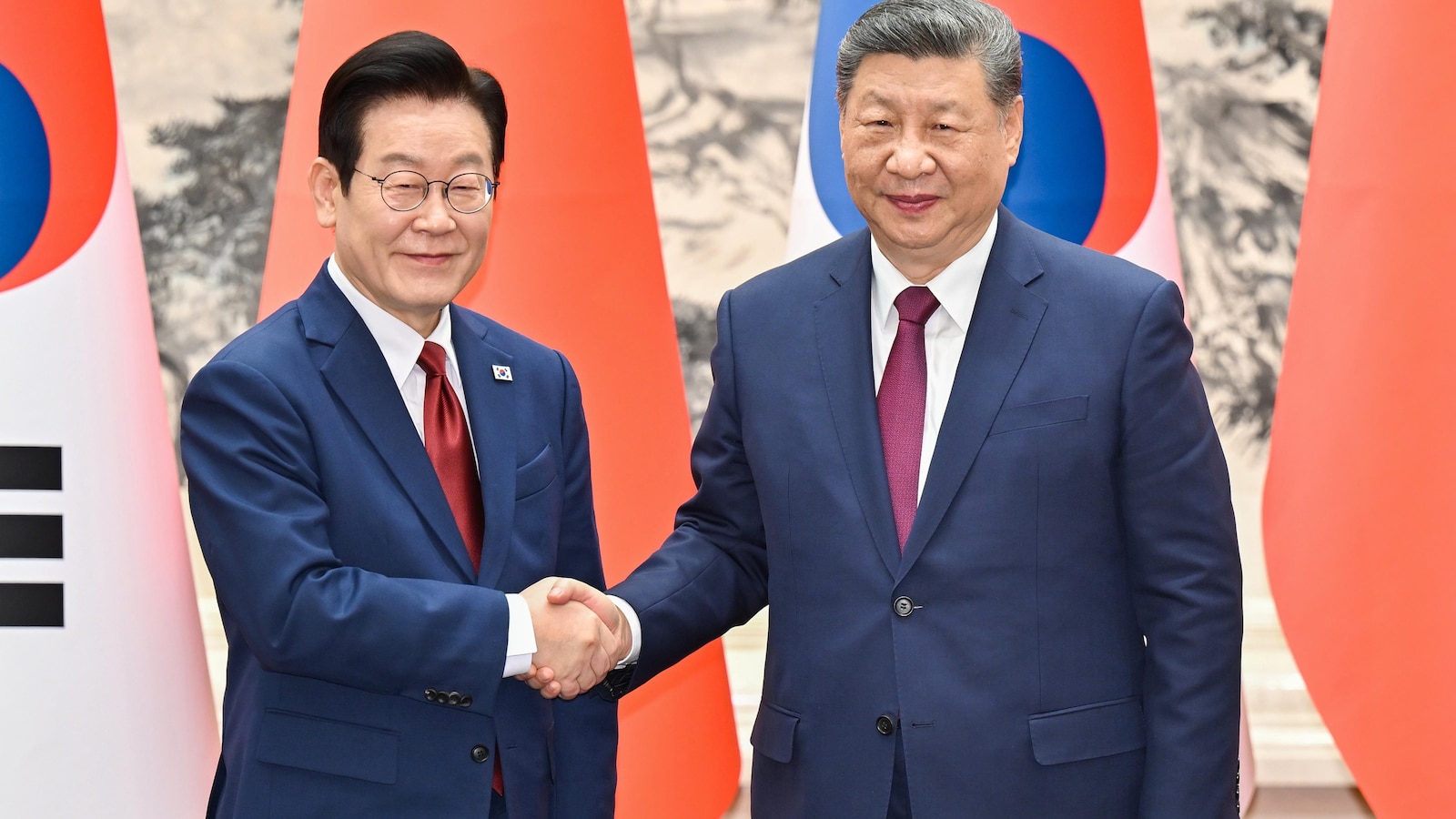
South Korean Leader Turns to China Over North Korea
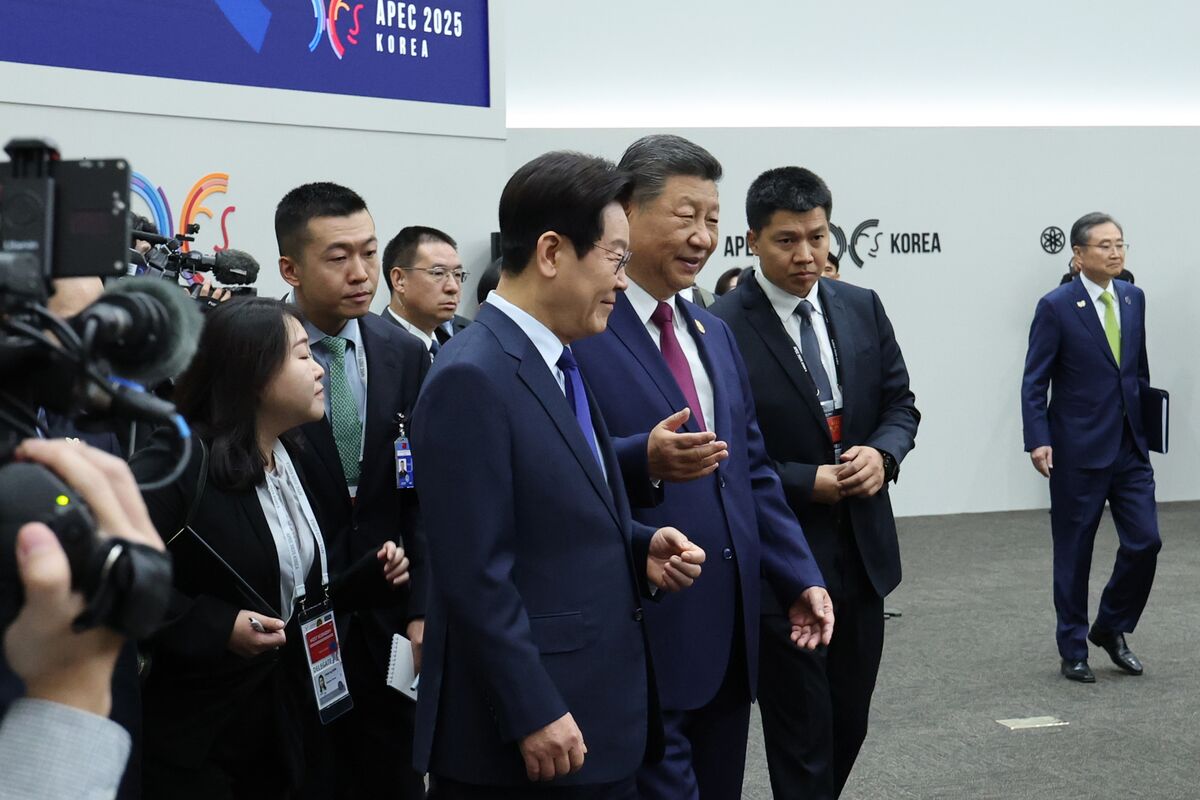
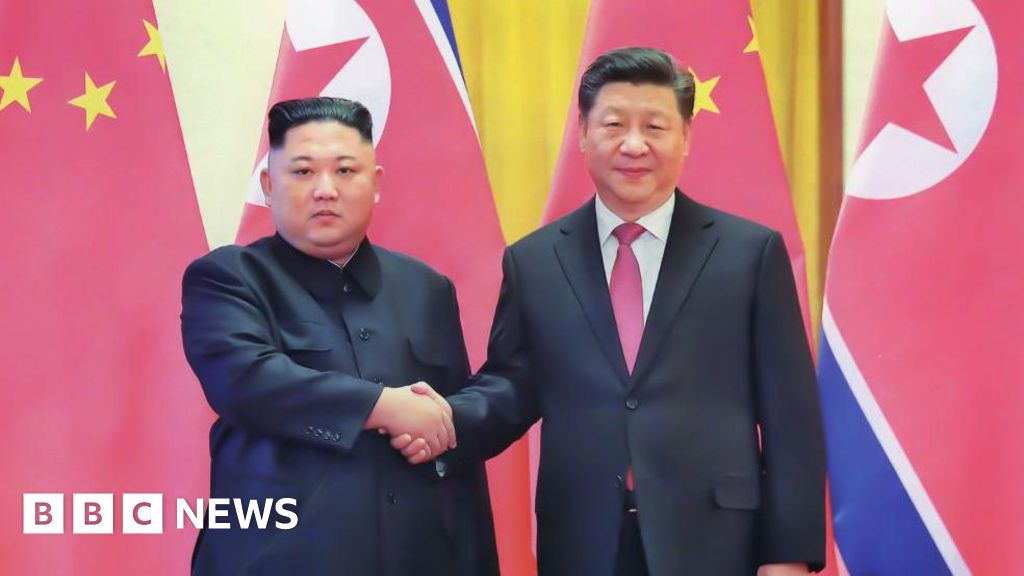
South Korean President Lee Jae Myung’s decision to ask Chinese President Xi Jinping to act as a mediator on North Korea issues reflects both urgency and strategic calculation. By appealing directly to Beijing, Seoul signals that traditional pressure-based approaches have failed to curb Pyongyang’s advancing nuclear and missile programs. As China remains North Korea’s primary economic partner and diplomatic shield, its leverage is seen as indispensable for de-escalation and renewed talks.
Why Beijing’s Mediation Matters Now
Lee’s request goes beyond symbolic diplomacy; it aligns with a broader regional desire to prevent miscalculation on the peninsula. Encouraging China to broker dialogue could open incremental steps such as freezing weapons tests, reopening military hotlines, and exploring phased denuclearization incentives. For global audiences, this move underscores how intertwined Asian security and world stability have become, making cooperative mediation, not unilateral sanctions, a critical SEO topic for anyone tracking Korean Peninsula peace prospects.
About the People Mentioned
Xi Jinping
Xi Jinping is a prominent Chinese politician born on June 15, 1953, in Fuping, Shaanxi Province. He is the son of Xi Zhongxun, a veteran of the Chinese Communist Party (CCP). During the Cultural Revolution, Xi was sent to rural Yanchuan County, Shaanxi, where he eventually joined the CCP in 1974. He studied chemical engineering at Tsinghua University as a worker-peasant-soldier student and later earned a Doctor of Law degree from the university through an in-service graduate program in Marxist theory and ideological and political education[1][5]. Xi rose through the ranks of the CCP, serving as governor of Fujian from 1999 to 2002 and then as governor and party secretary of Zhejiang from 2002 to 2007. He briefly served as the party secretary of Shanghai in 2007 before joining the Politburo Standing Committee the same year. In 2012, he became the general secretary of the CCP and chairman of the Central Military Commission, marking the beginning of his tenure as China's paramount leader. Since 2013, Xi has also held the position of President of the People's Republic of China[1][3]. Under Xi's leadership, China has made significant strides in reducing poverty and curbing corruption. He has been praised for his efforts in these areas, which were highlighted in a historical resolution passed by the CCP in 2021[3]. Recent developments include Xi's re-election to a third term as general secretary of the CCP in October 2022 and his third term as president of China in March 2023, following constitutional changes that removed term limits for the presidency[3]. Xi's influence has been further solidified by the composition of the 20th Politburo Standing Committee, which consists of his loyalists[3].