Spain Fines Airbnb €64m Over Unlicensed Listings
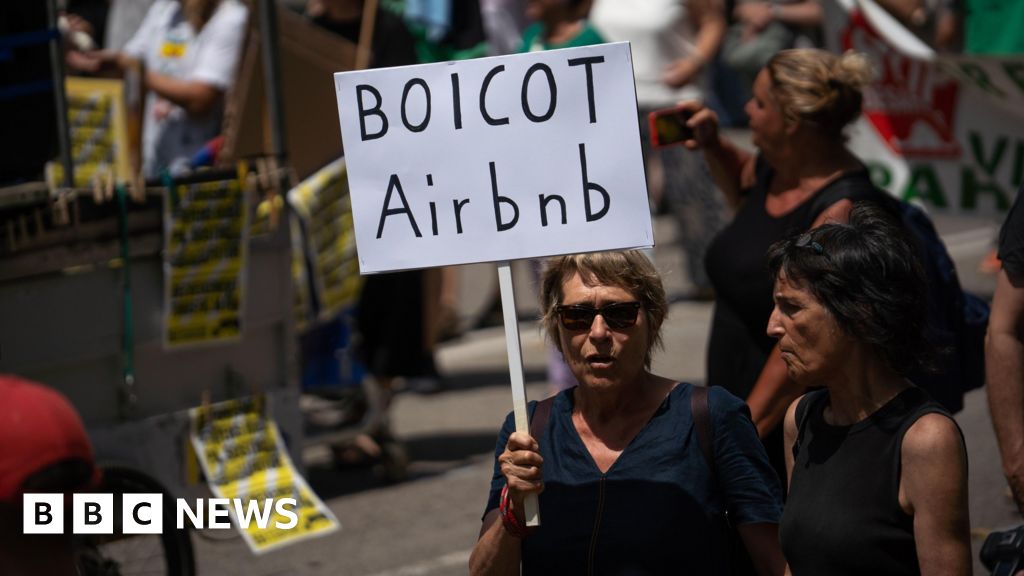
Airbnb fined £56m by Spain for advertising unlicensed properties
Spain has imposed a €64m (around £56m) penalty on Airbnb after authorities found tens of thousands of short‑term listings lacked valid registration or contained incorrect host details, part of a broader effort to rein in holiday lets that affect local housing markets.
Why regulators acted and what it means
The sanction follows new national registration rules and complaints from neighbourhoods about tourism-driven displacement, with officials saying many adverts did not show required licence numbers or matched official records, and Airbnb saying it will challenge the administrative decision while cooperating to add registration details to listings.
Local impact and next steps
For residents and policymakers the fine signals tougher enforcement and could accelerate local limits on tourist apartments, while platforms, hosts and cities must adapt registration systems, compliance checks and dispute processes to balance tourism income with housing affordability.
About the Organizations Mentioned
Airbnb
Airbnb is a global online marketplace that connects people seeking unique accommodations and experiences with hosts offering spaces and activities worldwide. Founded in 2007 by Brian Chesky, Joe Gebbia, and Nathan Blecharczyk, it started as a simple idea to rent air mattresses and provide breakfast in San Francisco but has since evolved into a massive platform with over 8 million active listings in more than 220 countries and regions[5]. Airbnb enables travelers to stay in homes ranging from apartments to treehouses, boutique hotels, and more, emphasizing authentic, local experiences beyond traditional hotel stays[1][6]. Key milestones in Airbnb’s history include the launch of Airbnb Plus in 2018, which curated homes vetted for quality and comfort, and Beyond by Airbnb for luxury rentals[3]. It went public in December 2020, raising $3.5 billion on the Nasdaq stock exchange under the ticker "ABNB"[3]. Despite challenges during the COVID-19 pandemic, including a sharp drop in bookings and workforce reductions, Airbnb adapted by focusing on rural bookings and supporting hosts with $250 million in payouts for cancellations[3]. In 2025, Airbnb is positioning itself far beyond a simple booking platform. It integrates AI personalization, seamless digital check-ins, multiple payment options, fraud detection, and a comprehensive Resolution Center to improve user experience[1][2]. The company is also expanding its product offerings with new property types and curated Collections tailored for families, work trips, and social occasions, aiming to cater to diverse traveler needs[6]. Politically, Airbnb is actively lobbying in key markets like New York City to influence regulations favorable to short-term rentals[1]. With more than 5 million hosts and over 2 billion guest arrivals to date, Airbnb has generated over $300 billion in earnings for hosts globally and collected over $13 billion in taxes[5]. Its strategy emphasizes transforming travel into a lifestyle experience by promoting real homes over hotels and fostering deeper community connections[1]