Urgent Airbus Software Glitch Prompts Global Aviation Response
Urgent Response to Airbus Software Glitch
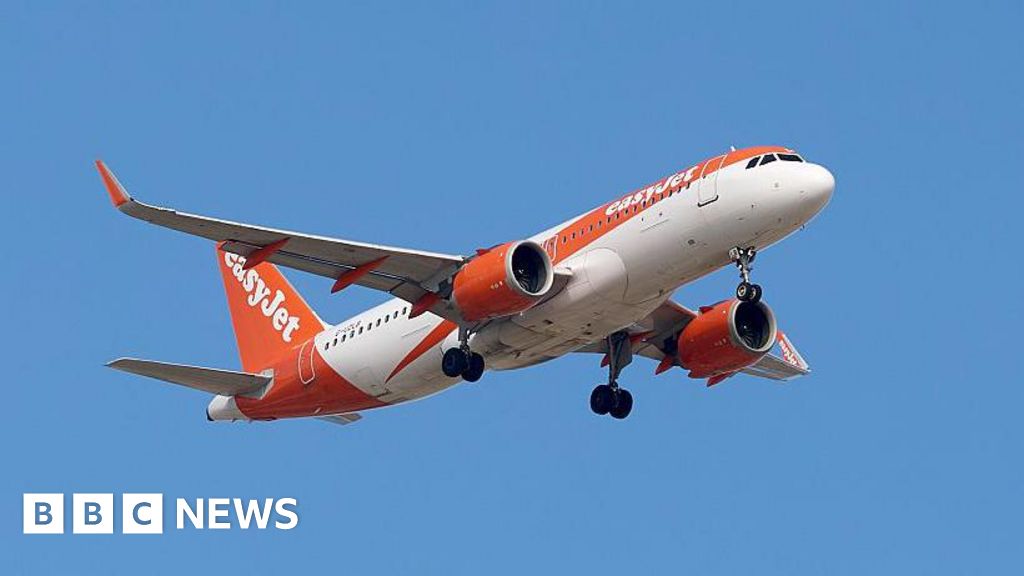
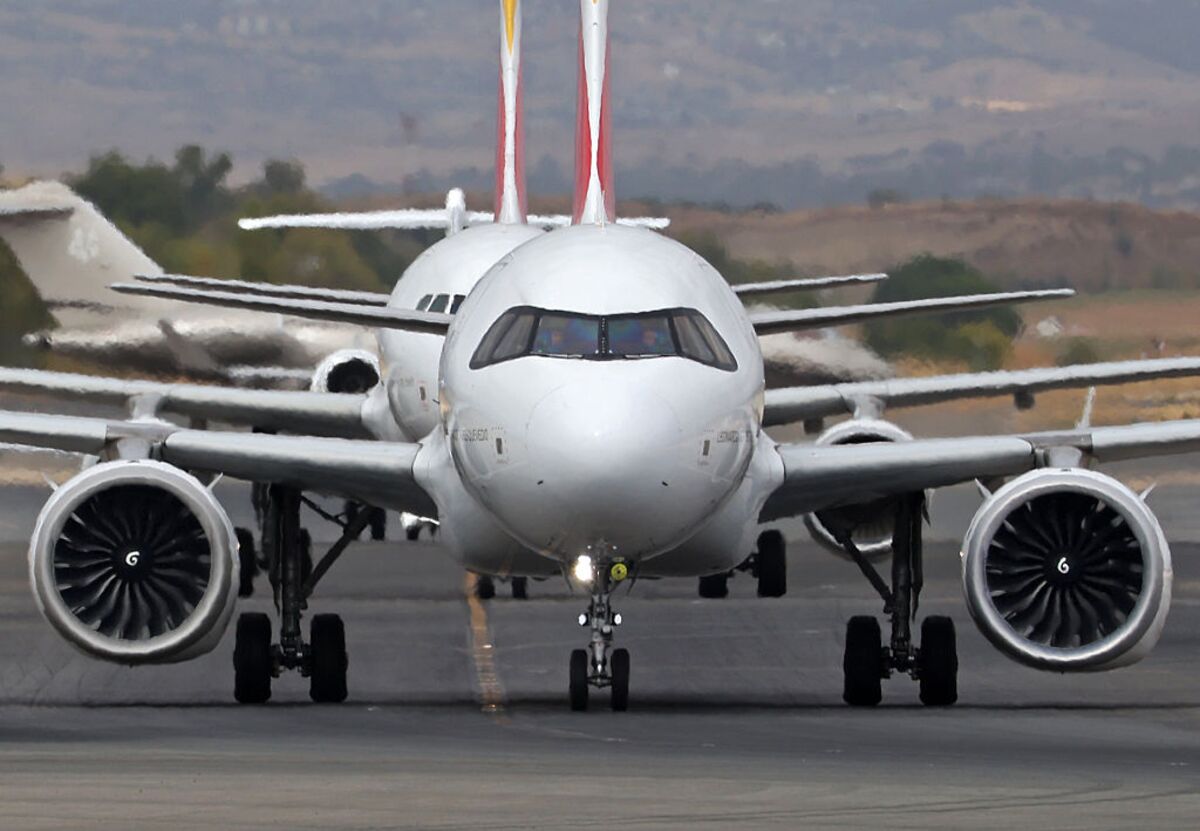
Airlines worldwide are racing to update their fleets after a critical software flaw was discovered in Airbus SE’s most widely flown aircraft. The issue, affecting the ELAC flight control system, prompted immediate action to prevent potential in-flight control failures. With the holiday travel season in full swing, carriers scrambled to minimize disruptions and ensure passenger safety.
Global Impact and Swift Action
Regulatory bodies, including India’s DGCA, issued urgent notices mandating immediate software modifications. Airlines such as Air India Express and Indigo confirmed rapid deployment of technical teams to address the problem. Ground checks and updates are underway for both older and newer Airbus models, with continuous monitoring to restore normal operations swiftly.
Preventing Widespread Disruption
The coordinated response has so far prevented a major meltdown, though some delays and cancellations have occurred. The incident highlights the importance of robust aviation software and the industry’s ability to respond quickly to emerging threats, ensuring travelers remain safe during peak travel periods.
About the Organizations Mentioned
Airbus SE
Airbus SE is a leading European multinational aerospace and defense corporation, renowned as the world’s second-largest manufacturer of commercial aircraft after Boeing. Founded in 1970 as Airbus Industrie, a consortium of French, German, British, and Spanish aerospace firms, it was created to challenge American dominance in the aviation market by producing innovative, high-capacity short- to medium-range jetliners[1][3]. The company evolved from its consortium roots into a fully integrated aerospace group, adopting the name Airbus SE in 2017 after merging its commercial aircraft operations with its defense and space divisions[3][4]. Airbus’ landmark achievements include the launch of the A300 in 1974, the first wide-body twin-engine jetliner that introduced more economical operation by using just two engines[1]. Its A320 family, introduced in 1988, pioneered fly-by-wire technology, replacing mechanical flight controls with computer-based systems, setting new standards for safety and efficiency[1]. The company expanded its product range with the long-range A330 and A340 models in the 1990s and reached a major milestone with the A380, the world’s largest passenger aircraft, capable of seating up to 853 people[1]. Airbus also diversified with Airbus Helicopters and Airbus Defence and Space, consolidating its position as Europe’s largest aerospace company[4][6]. Today, Airbus SE employs over 150,000 people worldwide across more than 180 sites, generating revenues of €69 billion in 2024[4]. The company is a pioneer in sustainable aerospace, actively developing lighter, safer, and more fuel-efficient aircraft, including efforts toward net-zero carbon emissions by 2050 through disruptive technologies and alternative fuels[6]. Airbus’ legacy blends a rich heritage of European aerospace innovation with a forward-looking commitment to technological advancement and environmental responsibility, making it a pivotal player in global aerospace and defense industries[2][6].
DGCA
## Overview The Directorate General of Civil Aviation (DGCA) is India’s apex regulatory body for civil aviation, operating as an attached office under the Ministry of Civil Aviation[1][3]. Its primary mandate is to ensure the safety, security, and efficiency of civil aviation in India by enforcing regulations, licensing aviation professionals, certifying aircraft and airports, and investigating accidents[1][2][3]. The DGCA’s headquarters is located in New Delhi, with regional offices across the country[3]. ## History Originally established as a department under the Ministry of Civil Aviation, the DGCA was elevated to a statutory body by the Aircraft (Amendment) Act, 2020, granting it greater autonomy and legal authority[2]. This move was aimed at strengthening India’s aviation oversight in line with global standards. The organization is currently headed by the Director General of Civil Aviation and reports to the Minister of Civil Aviation[1]. ## Functions and Achievements The DGCA’s responsibilities are comprehensive. It registers civil aircraft, certifies airports, and issues licenses to pilots, engineers, and air traffic controllers after rigorous examinations and checks[2][4]. The organization prescribes and enforces airworthiness standards, conducts safety audits, and investigates aviation incidents and accidents, especially those involving aircraft up to 2,250 kg[2]. It also coordinates with the International Civil Aviation Organization (ICAO) to ensure India’s compliance with global aviation norms[3][4]. A notable achievement is the DGCA’s proactive approach to emerging technologies. For instance, it has been instrumental in regulating drone operations in India, recently granting double certification to an indigenous drone startup for agricultural applications—a significant step in integrating advanced technology into traditional sectors[3]. The DGCA’s enforcement of stringent pilot training and licensing standards has also contributed to India’s improving aviation safety record[4]. ## Current Status and Future As of 2024, the DGCA continues to play a
Air India Express
Air India Express is an Indian low-cost international airline and a wholly owned subsidiary of Air India, headquartered in Gurugram, Haryana. Established in April 2005, it was created to provide affordable point-to-point connectivity on short-haul international routes, primarily serving the Indian expatriate community in the Middle East and Southeast Asia. The airline initially launched with simultaneous flights from Thiruvananthapuram, Kochi, and Kozhikode, focusing on budget-friendly flights to Gulf countries like the UAE, Oman, and Saudi Arabia, later expanding to Southeast Asian destinations such as Singapore, Kuala Lumpur, and Bangkok[1][2][3][5]. Air India Express operates a modern fleet of approximately 115 aircraft, including Boeing 737s and Airbus A320s, serving over 44 domestic and 16 international airports with more than 500 daily flights. It emphasizes a digital-first approach, offering a user-friendly mobile app and website that enable personalized travel experiences. The airline provides amenities such as ‘Gourmair’ hot meals, comfortable seating, and exclusive loyalty benefits, all delivered with a distinct sense of Indian hospitality and warmth[5][7]. In 2021, Air India and its subsidiaries, including Air India Express, were privatized and acquired by the Tata Group, marking a significant shift in management and strategy. Under Tata’s ownership, Air India Express merged with AIX Connect (formerly AirAsia India), completing the integration by October 2024. This merger expanded its fleet to around 100 aircraft and strengthened its position as a key player in India’s budget aviation market, aligning with Tata’s vision to streamline low-cost and full-service carriers within its portfolio[1][4][6][7]. Notable achievements include carving a niche as India’s first international budget airline focused on expatriates, successfully growing market share in the India-Gulf travel segment, and pioneering digital innovations to enhance passenger experience. The airline continues to evolve with
Indigo
Indigo is a dynamic name in the world of technology and innovation, representing several distinct organizations, each making significant strides in its respective field. The most prominent among them is Indigo Ag, a Boston-based agri-tech startup founded in 2013. Indigo Ag leverages microbiology and digital technology to revolutionize agriculture, focusing on sustainability and profitability. The company develops biological products—such as seed coatings that harness beneficial microbes—to help crops withstand disease, pests, and environmental stress, reducing the need for chemical inputs. Indigo Ag’s digital marketplace connects farmers directly with buyers, streamlining the supply chain and promoting transparency. Recognized by CNBC as one of the world’s 50 most innovative companies, Indigo Ag has achieved a valuation of $3.5 billion and recently established its North American commercial headquarters in Memphis, signaling a major commitment to growth and regional impact. Another notable entity is Indigo IT, founded in 2001, which specializes in cloud, cybersecurity, and enterprise solutions for government agencies. Indigo IT is known for its mission-focused approach, providing critical IT infrastructure support and innovative solutions to federal and civilian clients. Indigo (Indigo Engineering) is a global leader in digital infrastructure, designing, deploying, and supporting fixed line, subsea, data center, and wireless networks across more than 90 countries. Their expertise ensures robust, scalable connectivity for major corporations worldwide. Lastly, indiGO Tech, an MIT spin-off, is pioneering sustainable urban mobility with light electric vehicles designed for commercial fleets, emphasizing unit economics and user experience. Each Indigo organization exemplifies how technology can drive transformation—whether in agriculture, government IT, digital infrastructure, or sustainable transport—making the Indigo name synonymous with innovation, impact, and forward-thinking solutions.