Survivors, Strikes, and the U.S. Defense Debate: White House Responds to Boat Incident
Survivors’ Struggle Amid Boat Strike
Recent reports reveal that survivors involved in a boat strike were desperately attempting to climb back onto their vessel before a follow-up attack occurred. This harrowing detail underscores the chaos and danger faced during the incident, highlighting the human cost amid ongoing conflicts at sea.
White House Response to Second Strike
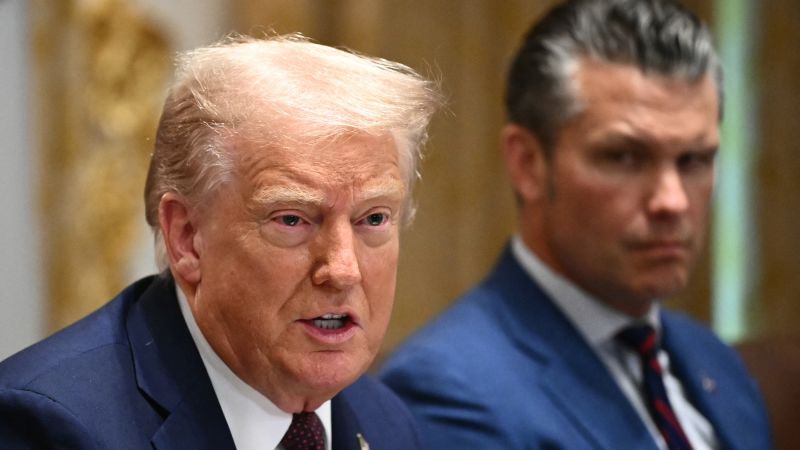
The White House recently confirmed that a second strike took place, emphasizing the complexity of the situation. However, officials denied that Defense Secretary Pete Hegseth authorized the follow-up attack, distancing the Pentagon leadership from direct involvement. This denial comes amid scrutiny of military decisions and their oversight.
Context on Defense Leadership and Military Aid
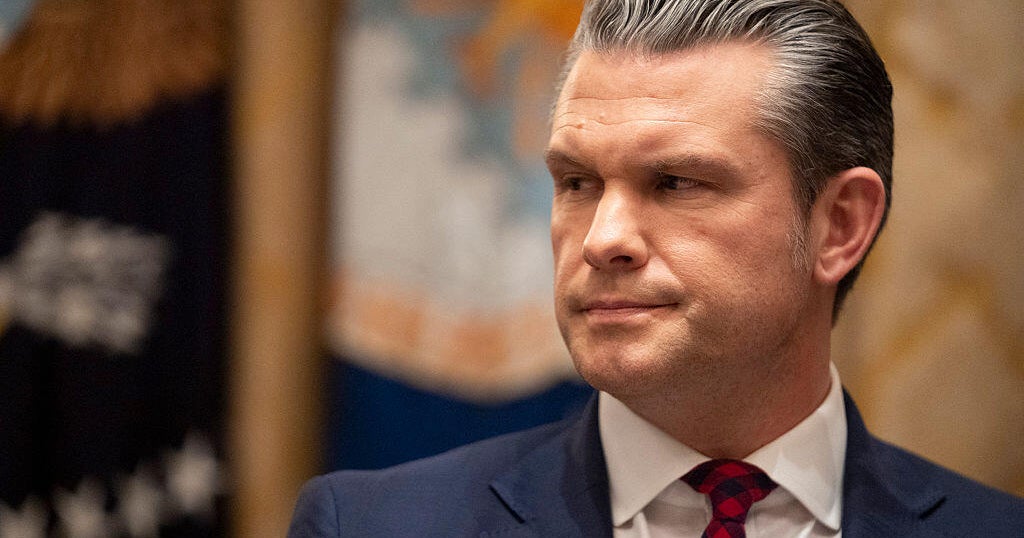
Defense Secretary Pete Hegseth has been vocal about limiting the U.S. military’s role in foreign conflicts and advocating for negotiated peace. His leadership style has sparked debate, particularly regarding military aid and intervention strategies. The controversy surrounding the boat strike reflects broader tensions over U.S. defense policies and operational command.
About the People Mentioned
Pete Hegseth
Pete Hegseth is an American government official, author, and former television personality. Born on June 6, 1980, he graduated from Princeton University in 2003 and later earned a master's degree in Public Policy from Harvard University's John F. Kennedy School of Government in 2013[1][4]. Hegseth was commissioned as an infantry officer in the Minnesota Army National Guard, serving in Guantanamo Bay, Iraq, and Afghanistan. He received several military awards, including two Bronze Star Medals and the Combat Infantryman Badge[3][4]. After his military service, Hegseth worked with organizations such as Vets for Freedom and Concerned Veterans for America, where he served as executive director and CEO, respectively[1][7]. He became a contributor to Fox News in 2014 and later co-hosted *Fox & Friends Weekend* from 2017 to 2024[1][5]. Hegseth has written several books, including *American Crusade* and *The War on Warriors*, the latter being a New York Times bestseller[3][5]. In November 2024, Hegseth was nominated by President-elect Donald Trump to be the Secretary of Defense. He faced a contentious confirmation process, with allegations of misconduct and financial issues. Despite these challenges, Hegseth was confirmed by the Senate on January 25, 2025, with Vice President JD Vance casting a tie-breaking vote[1][2]. As Secretary of Defense, Hegseth has been involved in several significant events, including ordering budget cuts and firing top military officers to "focus our military on its core mission"[2]. He has also been at the center of controversy regarding the use of the Signal messaging app for sharing sensitive information[2]. In September 2025, Hegseth addressed senior military leaders, emphasizing the need for tighter fitness standards and opposition to certain policies he termed "woke garbage"[1].
About the Organizations Mentioned
White House
The **White House Office** is a central organizational component within the Executive Office of the President of the United States (EOP), tasked with supporting the President in managing day-to-day operations, policy formulation, and political affairs. It is headed by the White House Chief of Staff and staffed by senior aides who report directly to the President, including those with titles such as Assistant to the President and Deputy Assistant to the President. These staff members are mostly political appointees without the need for Senate confirmation, allowing the President considerable discretion in shaping the office to suit each administration's priorities[1]. Historically, the White House Office was established in 1939 through Reorganization Plan 1 and Executive Order 8248 to provide immediate assistance to the President. It functions as the nerve center for presidential staff, physically located primarily in the West Wing, and plays a pivotal role in managing the President’s policy agenda, communications, and political strategy. Its flexible organization allows each President to tailor the staff composition and roles according to their governance style and objectives[1]. In the current context of 2025, the White House Office operates under the administration of President Donald J. Trump, who returned to office after the 2024 election. His administration emphasizes rejecting prior policies deemed extremist and focuses on enhancing quality of life, economic growth, and American energy dominance. The administration includes Vice President JD Vance and First Lady Melania Trump, among others, with a Cabinet advising on various governmental functions[4][6]. Recent initiatives linked to the White House’s operational sphere include the establishment of a new **Department of Government Efficiency (DOGE)** aimed at modernizing federal technology and software to boost government productivity. The DOGE agenda is implemented through the renamed United States DOGE Service within the Executive Office, reflecting a concerted push to leverage technology for administrative modernization[5]. Notably, the White House Office also coordinates national security and homeland security functions through the National Security Council staff, underscoring its central role
Pentagon
The **Pentagon** is the headquarters of the United States Department of Defense (DoD), serving as the central command center for the nation's military operations and strategic defense planning. Situated in Arlington County, Virginia, it houses the leadership and staff of the Army, Navy, Marine Corps, Air Force, Space Force, and associated defense agencies and commands[1]. Originally constructed during World War II as a temporary War Department building, the Pentagon evolved into the permanent nerve center for U.S. military coordination following the 1947 National Security Act, which merged the War and Navy Departments and added the Air Force, establishing the modern DoD[2]. The Pentagon oversees America’s global military posture, playing a crucial role during the Cold War and continuing to adapt to current geopolitical challenges. Its organizational complexity includes civilian oversight through the service secretaries and integration with multinational commands such as NATO and NORAD[1]. The Pentagon is also notable for its vast infrastructure, which underwent a comprehensive renovation completed in the early 2000s to maintain its operational capacity and security[2]. In recent years, the Pentagon has shifted strategic focus to homeland defense and the Western Hemisphere, aligning with contemporary U.S. national security priorities such as border protection and countering adversaries like China[3]. Technologically, it actively invests in emerging industries critical to defense, including space technologies, microelectronics, biochemicals, and software modernization. The Office of Strategic Capital, established to channel private sector investment into defense technologies, exemplifies this focus on innovation and maintaining U.S. technological superiority[4][6]. Efforts such as the Pentagon’s software modernization implementation plan emphasize cloud adoption and agile software development to enhance military IT capabilities[6]. Additionally, political dynamics impact Pentagon leadership and policy directions, as seen in initiatives like Project 2025, which aims to influence personnel and strategic priorities aligned with conservative policy goals[5]. Overall, the Pentagon remains a pivotal institution at the intersection of defense, technology