Texas Democrats Face Hefty Fine for Fleeing State in Voting Rights Standoff

Introduction
Texas Democrats are facing a hefty fine of nearly $400,000 for fleeing the state in an effort to block a controversial voting bill. According to Texas House rules, each lawmaker is fined $500 per day for missing official business, and with the current standoff stretching into its 20th day, the total amount is quickly adding up.
Key Details
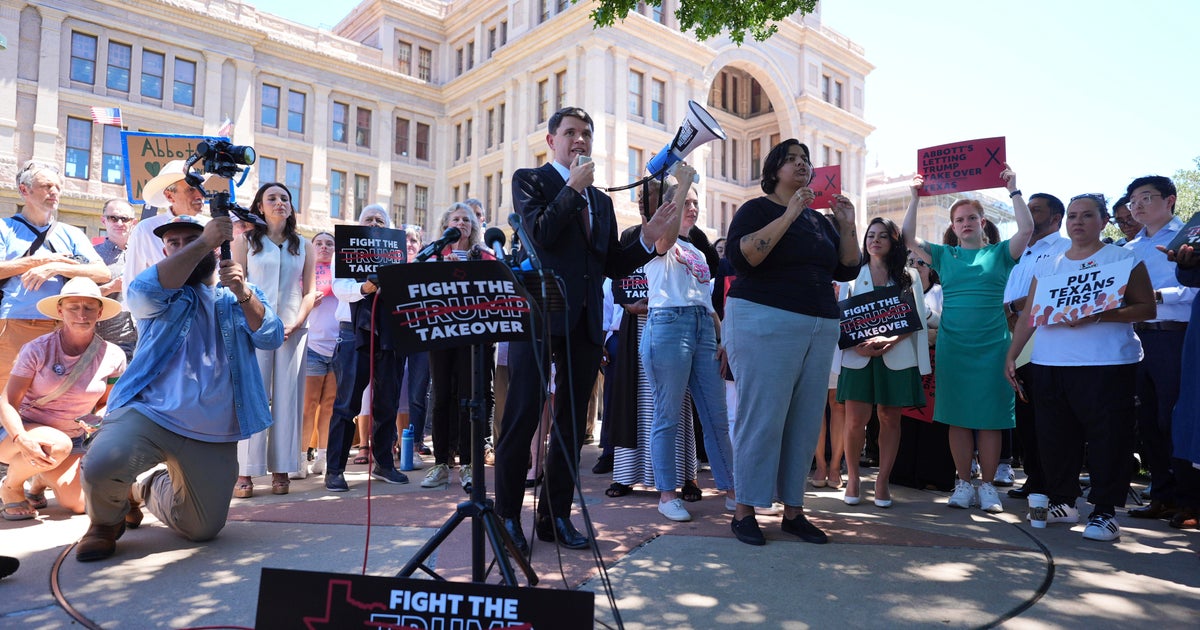
The decision to leave the state and deny a quorum was made in response to a bill that Democrats claim would suppress voting rights. The legislation includes provisions such as limiting early voting hours and banning drive-thru voting. In addition to the financial consequences, the lawmakers have faced criticism and backlash from the Republican party and Governor Greg Abbott, who has threatened to arrest them upon their return.
Impact
The ongoing stalemate has brought national attention to the issue and has sparked debates about the importance of protecting voting rights. It also highlights the growing political divide in the state and the country. As the Democrats remain in Washington, D.C., they are using their time to lobby for federal voting rights legislation and bring awareness to their cause. However, with the special session coming to an end on August 7th, it remains to be seen if their actions will have a lasting impact.
About the People Mentioned
Greg Abbott
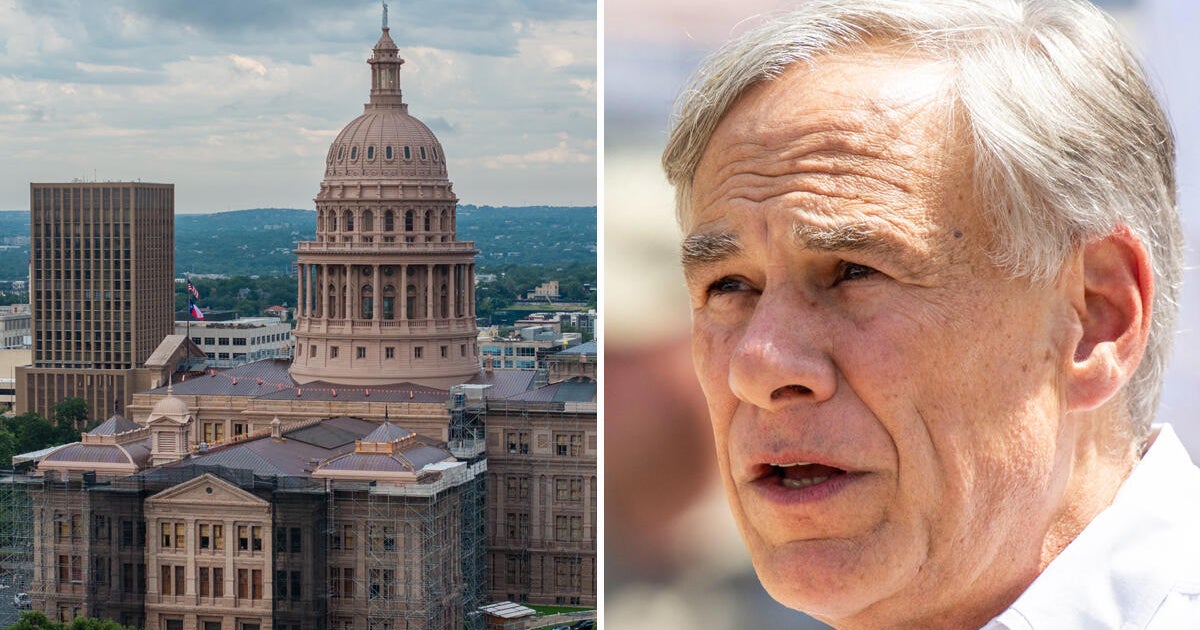
Greg Abbott, born Gregory Wayne Abbott on November 13, 1957, in Wichita Falls, Texas, is the 48th governor of Texas, serving since January 2015 after winning elections in 2014, 2018, and 2022.[1][2][4] A Republican and staunch conservative, he previously held the position of Texas attorney general from 2002 to 2015—the longest tenure in state history—where he defended state rights, religious liberty, and frequently challenged federal policies under the Obama administration.[1][2][3][6] Abbott's early career included roles as a state district judge in Harris County starting in 1992 and as a justice on the Texas Supreme Court from 1996 to 2001, appointed by then-Governor George W. Bush.[1][4][6] In 1984, at age 26, he was paralyzed from the waist down after a tree fell on him during a jog, requiring him to use a wheelchair; he became the first U.S. governor to do so since 1982 and only the third in American history.[1][2] As governor, Abbott has prioritized low taxes, budget cuts, economic growth, education funding, and border security through Operation Lone Star, including deploying troops, installing razor wire and buoys, busing migrants to sanctuary cities, and declaring Mexican cartels as terrorist organizations.[2][3][4][5] He signed constitutional carry legislation in 2021, allowing permitless handgun carry for most adults over 21, amid mass shootings like Sutherland Springs in 2017.[1] His administration has overseen record job creation, property tax reforms, bans on sanctuary cities, and protections for the unborn.[3][4][5] Disputes with federal officials over border measures persisted into 2023-2024.[2] In July 2025, Abbott declared a state of emergency after severe central Texas flooding killed over 150 people, securing federal disaster aid.[1] He remains a prominent national conservative figure, named "Best Governor in the Nation" in 2020.[5]
About the Organizations Mentioned
Texas House
The **Texas House of Representatives** is the lower chamber of the bicameral Texas Legislature, consisting of 150 members elected from single-member districts for two-year terms without term limits[1][2][4]. It serves as a central legislative body responsible for creating state laws, managing the state budget, and addressing issues pertinent to Texas residents. The House convenes in regular sessions every odd-numbered year, lasting up to 140 days, with additional special sessions called by the governor as needed, which last up to 30 days[2][4]. Established with Texas statehood in 1845, the Texas House has evolved as a key political institution exercising plenary legislative authority under both the Texas and U.S. Constitutions[5]. It holds traditional powers such as taxation, spending, and lawmaking, alongside unique responsibilities like approving gubernatorial appointments and proposing constitutional amendments[5]. The House operates under a system of leadership headed by the Speaker of the House, elected by the members at the start of each regular session. The Speaker maintains order, manages proceedings, appoints committees, and influences the legislative agenda[1][4][6]. Noteworthy for its broad representation—each member represents roughly 167,637 residents—the Texas House reflects the state's diverse population and political landscape[2]. It includes a range of legislative committees focused on key sectors like agriculture, energy, education, public health, and economic development, enabling detailed policy scrutiny and targeted lawmaking[7]. Recent legislative activities include addressing disaster preparedness, civil discourse, and redistricting, highlighting the House’s responsiveness to current challenges[6]. The Texas House meets at the historic Texas Capitol in Austin, a National Historic Landmark, underscoring its symbolic and functional importance in state governance[4][6]. Overall, the Texas House of Representatives remains a vital, dynamic institution shaping Texas’s laws and policies with significant impact on business, technology, and social issues within the state.



:focal(0x0:3000x2000)/static.texastribune.org/media/files/f6d94f38200a0464c1c4a0a414a44463/Quorum%20Break%20ABIA%20BD%20TT%2003.jpg)