TV Industry Abandons 8K Dream as 4K Reigns
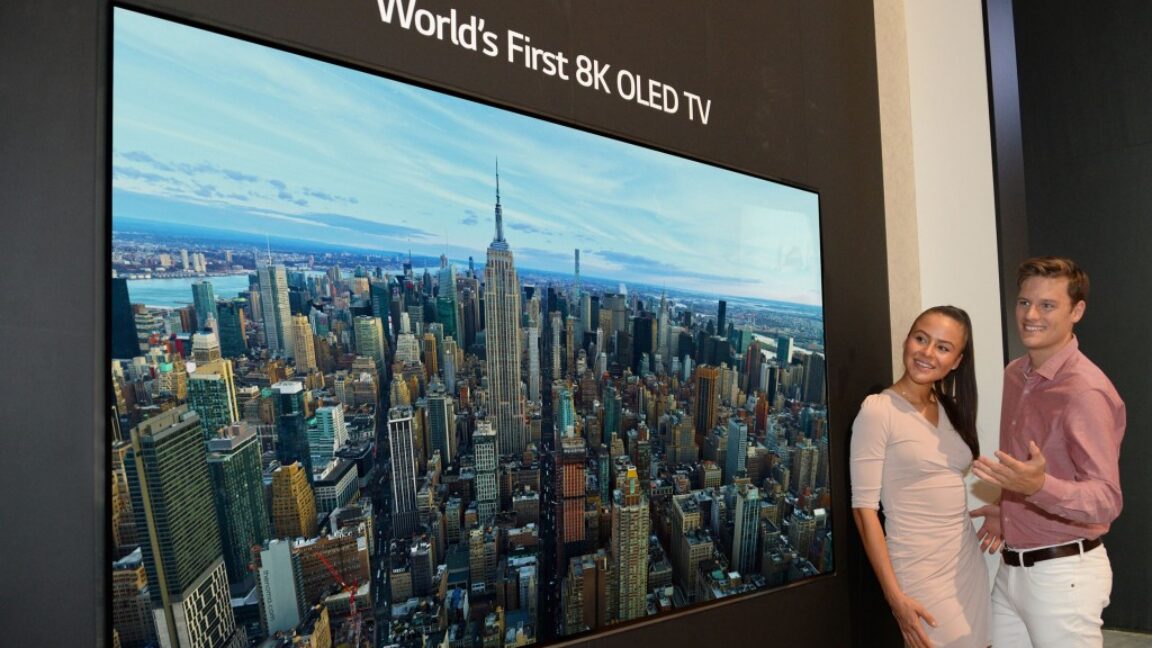
The TV Industry Backs Away from 8K Dreams
The TV world is finally admitting that 8K, once hyped as the ultimate resolution, may never dominate living rooms. Major players like LG have halted 8K OLED and QNED production in 2026, with the Z3 as their last flagship model. Sony discontinued its Z9K, leaving Samsung as the lone holdout with pricier options like the QN990F. This shift signals a concession: without native content, 8K's promise fizzles.
Why 8K Failed to Ignite
Content scarcity dooms 8K—Netflix and Disney+ stick to 4K, while over-the-air 8K broadcasts remain experimental fantasies. On typical screens, human eyes struggle to discern 8K from 4K anyway. Sky-high costs, from $10,000 upward, plus energy regulations in Europe, make these TVs impractical luxuries. Upscaling helps, but it can't justify the premium over superior 4K OLED or Micro LED tech.
A 4K Future and Beyond
Samsung persists for brand prestige, yet experts predict 8K's niche fate, echoing 3D TV's flop. Focus turns to brighter, larger 4K displays with real-world gains. Consumers win: skip 8K, invest in proven quality that matches abundant content and budgets.
About the Organizations Mentioned
LG
LG Electronics, a leading global technology company, has been a major player in the electronics industry for decades. Founded in 1958 as part of the LG Group, LG Electronics has evolved significantly over the years, transforming into a diverse conglomerate with five major business segments: **Home Appliance Solution**, **Media Entertainment Solution**, **Vehicle Solution**, **Eco Solution**, and various subsidiaries like LG Innotek[4][5]. ### History and Key Achievements - **Early Years**: LG began as a manufacturer of home appliances and electronics, expanding into new markets and technologies over the years. - **Innovations**: LG has been at the forefront of technological innovations, introducing cutting-edge products like OLED TVs, smartphones, and home appliances. - **Expansion**: The company has expanded its reach globally, establishing a strong presence in markets across Asia, Europe, and the Americas. ### Current Status - **Business Strategy**: LG is focusing on **structural competitiveness** and **qualitative growth**, emphasizing agile adaptability in rapidly changing market environments[1]. - **Financial Performance**: Despite global market challenges and increased competition, LG has reported strong performances in key business segments, such as home appliances and vehicle solutions[2][3]. - **Future-Oriented Initiatives**: The company is investing in future-oriented businesses, including subscription services and webOS-based platforms[1][2]. ### Notable Aspects - **Innovation and Technology**: LG is known for its innovative products and technologies, such as its webOS platform, which supports a wide range of devices and services. - **Diversification**: The company's diversification into new areas like vehicle solutions and HVAC systems has contributed to its resilience in the face of market fluctuations. - **Global Presence**: LG operates a vast network of subsidiaries and partners worldwide, facilitating its global operations and market reach. Overall, LG Electronics continues to evolve as a technology leader, navigating complex global markets while driving innovation and growth across its diverse business segments
Sony
## Overview Sony Group Corporation is a Japanese multinational conglomerate headquartered in Tokyo, renowned for its innovation in technology, entertainment, and media[6]. The company operates across diverse sectors, including electronics (Sony Corporation), imaging and sensing (Sony Semiconductor Solutions), entertainment (Sony Pictures Entertainment, Sony Music Entertainment), and video games (Sony Interactive Entertainment)[6]. ## History Founded in 1946 as Tokyo Tsushin Kogyo K.K. by Masaru Ibuka and Akio Morita, Sony began as an electronics manufacturer and quickly became a symbol of Japan’s post-war industrial resurgence[6]. Renamed Sony Corporation in 1958, the company achieved global recognition with pioneering products such as the TR-55 transistor radio, the Trinitron color television, the Walkman, and the compact disc[6]. Sony’s strategic acquisitions—Columbia Records (1988) and Columbia Pictures (1989)—marked its expansion into entertainment, while the 1994 launch of the PlayStation signaled entry into the gaming industry[6]. In 2021, the company restructured as Sony Group Corporation, a holding company for its various businesses, with its electronics arm continuing as Sony Corporation[6]. ## Key Achievements Sony’s legacy is defined by technological and creative milestones. The Walkman revolutionized portable music, the PlayStation became a dominant force in gaming, and the Trinitron set industry standards for television quality[6]. In recent years, Sony has focused on maximizing the value of its intellectual property (IP) through cross-business synergies, extending franchises into games, films, anime, and real-world experiences[5]. The company’s ability to adapt—spinning off financial services and doubling down on gaming, sensors, and content—has kept it resilient and profitable in a rapidly evolving digital landscape[5]. ## Current Status and Strategy Under President and CEO Hiroki Totoki, Sony’s current strategy centers on its “
Samsung
Samsung is a global technology powerhouse specializing in consumer electronics, semiconductors, and IT services. Founded in 1938 as a trading company, Samsung entered the electronics industry in 1969, initially producing black-and-white televisions. Over the ensuing decades, it expanded rapidly into semiconductors, telecommunications, and advanced technologies, establishing itself as a leader in innovation and manufacturing[5]. Today, Samsung Electronics, the flagship subsidiary, produces a wide range of products, including smartphones, TVs, refrigerators, memory chips (DRAM, NAND flash), mobile processors, OLED panels, and automotive electronics through its Harman division[3][7]. The company is renowned for its Galaxy smartphone series, including foldables and flagship models, maintaining strong market share by integrating AI capabilities across devices and expanding its ecosystem with new form factors like extended reality (XR) and TriFold devices[1][4]. Samsung consistently ranks among the world’s most valuable brands, holding 5th place globally for six consecutive years with a brand value of $90.5 billion in 2025. This recognition reflects its leadership in AI innovation, customer experience integration, and strategic investments in AI-related semiconductors[1]. The company aims to make AI accessible to 400 million Galaxy devices within the year, emphasizing democratization of AI technology[1]. Financially, Samsung Electronics reported consolidated sales of approximately 86 trillion Korean won and an operating profit of around 12.1 trillion won for Q3 2025, showcasing robust profitability despite market challenges[2]. The Mobile eXperience segment notably increased revenue and profit through efficient resource management and a flagship-first sales strategy[4]. Samsung also prioritizes sustainability, targeting net zero Scope 1 and 2 emissions by 2030, increasing renewable energy use to 93.4% in key divisions, and incorporating recycled materials into 31% of plastic components as of 2024. It runs global e-waste collection programs to promote circular econom
Netflix
Netflix, Inc., founded in 1997 by Reed Hastings and Marc Randolph in Los Gatos, California, is a global media and entertainment company primarily known for its streaming service that offers movies, TV series, and games to over 300 million paid subscribers across more than 190 countries[1][2]. Initially disrupting the traditional video rental market dominated by Blockbuster, Netflix evolved from DVD rentals to pioneering the streaming model in 2007, fundamentally changing how audiences consume entertainment[1]. Netflix’s transition into original content production beginning in 2013 marked a significant milestone, with acclaimed series and films that garnered numerous awards, establishing it not only as a distributor but also a creator of high-quality content[1]. This strategic pivot helped Netflix compete against traditional broadcasters and emerging streaming platforms. By 2023, Netflix expanded into live programming, further broadening its content offerings and competitive scope[1]. Financially, Netflix is a powerhouse with a market capitalization of approximately $464 billion as of late 2025, annual revenues exceeding $43 billion, and a strong earnings per share figure of $23.97 from the previous year, showcasing robust profitability and investor confidence[1]. Under the leadership of CEO Theodore A. Sarandos, Netflix continues to innovate in entertainment technology, providing flexible viewing experiences where users can play, pause, and resume content anytime, anywhere[1][2]. Notable aspects of Netflix include its disruption of traditional media, its investment in diverse global content, and its adaptation to technological shifts in media consumption. Its impact extends beyond entertainment to influence digital distribution, consumer behavior, and the economics of content creation and delivery in the 21st century[1][2]. Netflix remains a benchmark in streaming services and a key player in the evolving landscape of global entertainment.
Disney+
Disney+ is an American subscription-based streaming service owned by Disney Streaming, a division of Disney Entertainment under the Walt Disney Company. Launched in November 2019, it serves as the exclusive digital home for Disney’s vast content library, including films and TV shows from Disney, Pixar, Marvel, Star Wars, National Geographic, and more, making it a powerhouse in the video-on-demand industry. Disney+ had 127.8 million paid subscribers, ranking it as the third most-subscribed streaming platform globally, behind Amazon Prime Video and Netflix[1]. The platform leverages technology from Disney Streaming, originally BAMTech, which Disney acquired to build a robust streaming infrastructure. This technology supports high-quality streaming with 4K UHD, Dolby Vision, HDR10, and Dolby Atmos audio, alongside features like offline downloads and multi-device streaming[1][4]. Disney+ also offers an ad-supported tier, allowing advertisers to leverage first-party data for targeted campaigns, reflecting a dual revenue model combining subscriptions and advertising[2]. Disney+ stands out for its exclusive original content, including highly successful series such as *The Mandalorian*, *WandaVision*, and *Loki*, which have attracted dedicated fan bases. It also streams new MCU and Star Wars releases shortly after theatrical runs, securing its appeal to genre enthusiasts[3][4]. Beyond entertainment, it offers educational content from National Geographic and sports programming via ESPN in select regions[1][3]. The service’s growth was bolstered by Disney’s strategic acquisitions, including 21st Century Fox, which expanded its content portfolio and led to the integration of the Star brand internationally, later replaced by Hulu in most markets outside the U.S.[1]. Disney+ provides family-friendly, diverse content with parental controls and customizable profiles, catering to broad demographics and reinforcing Disney’s legacy in family entertainment[2][5]. Overall, Disney+ represents a major technological and business achievement, combining Disney’s iconic storytelling with cutting-edge streaming technology to compete in