Tragic Discovery on New Year's Day: Victoria Jones Found Dead in San Francisco Hotel
#tragic #victoria_jones #tommy_lee_jones #san_francisco #investigation
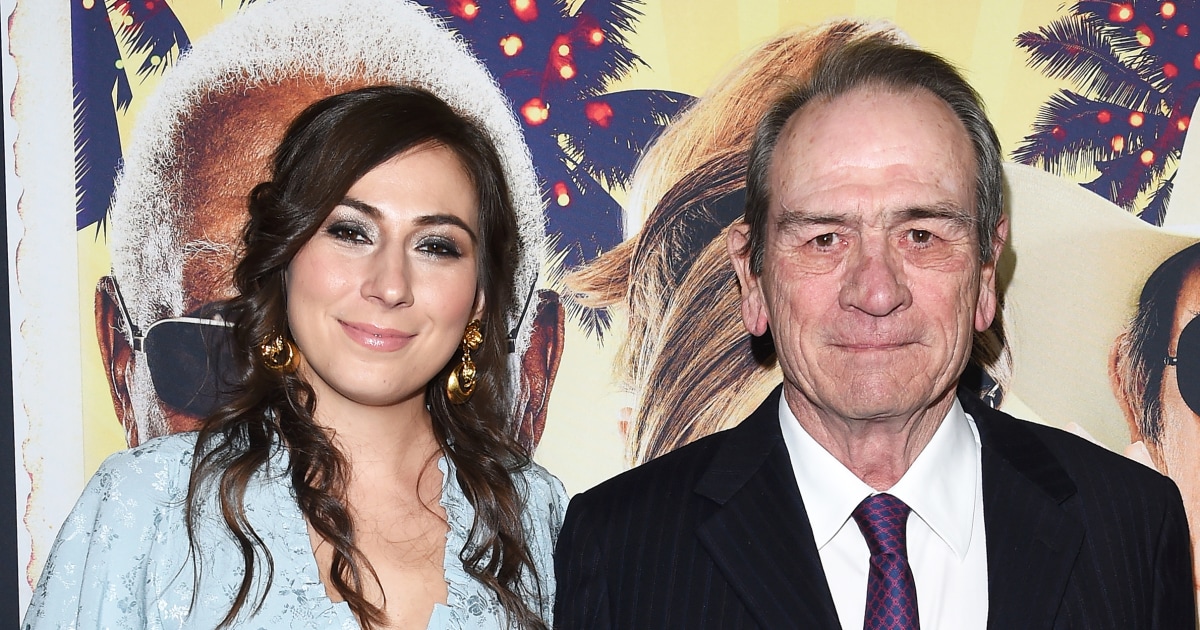
Tragic Discovery on New Year's Day
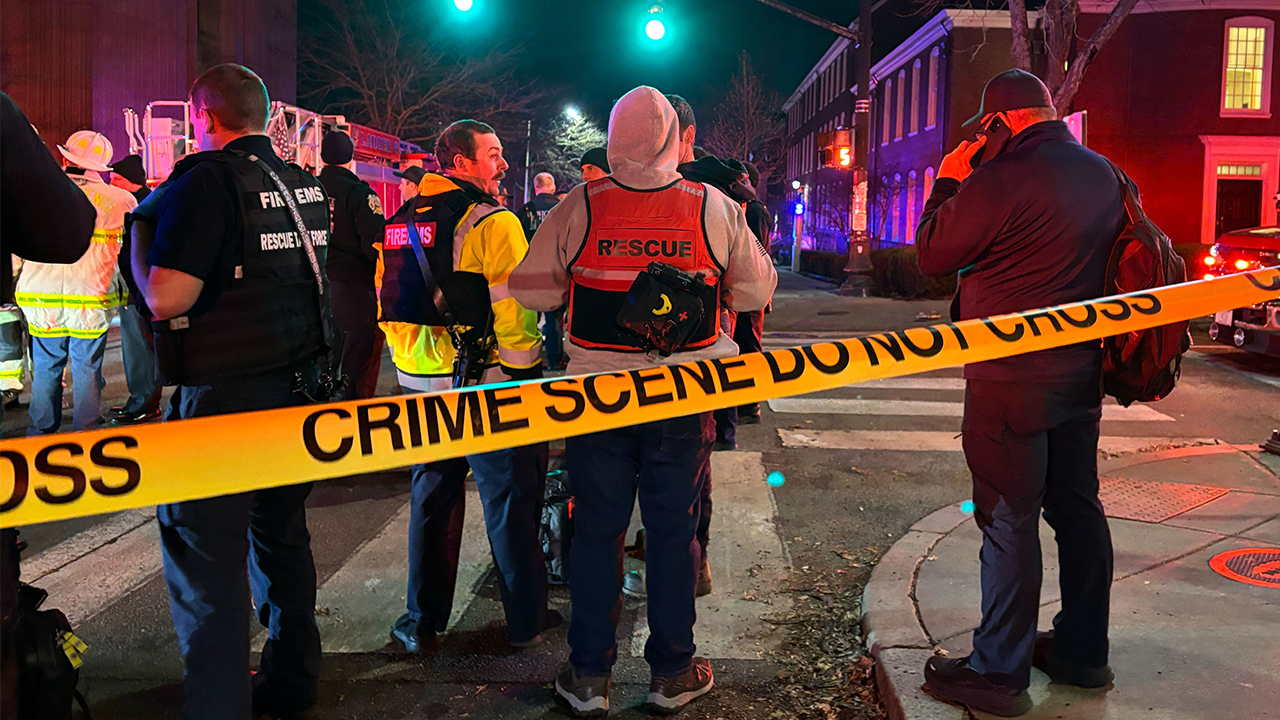
Victoria Jones, the daughter of acclaimed actor Tommy Lee Jones, was found dead in a luxurious San Francisco hotel on New Year's Day, casting a shadow over the holiday celebrations. According to reports from TMZ and local news outlets like KTLA, paramedics discovered her unresponsive on the floor of the Fairmont Hotel on Mason Street. Despite immediate response, she was already deceased upon their arrival, prompting a swift investigation by San Francisco police.
Family Statement and Ongoing Investigation
The family issued a heartfelt statement on Friday night confirming Victoria's passing, the only daughter of the Academy Award-winning star known for films like No Country for Old Men. The medical examiner has taken charge, but the official cause of death remains undisclosed as authorities probe the upscale hotel room circumstances. No foul play has been indicated yet, leaving fans and loved ones awaiting clarity.
Remembering Victoria Jones
Beyond her famous lineage, Victoria lived a private life away from Hollywood's glare. This heartbreaking loss resonates deeply in entertainment circles, reminding us of life's fragility. Tommy Lee Jones and family request privacy during their grief, as the community mourns a life cut short unexpectedly.
About the Organizations Mentioned
TMZ
TMZ (Thirty Mile Zone) is a prominent celebrity news organization specializing in entertainment industry gossip, celebrity interviews, video footage, and photos. Founded in 2005 and headquartered in Los Angeles, California, TMZ quickly rose to prominence as a go-to source for tabloid and entertainment news, often cited by national networks and local news organizations across the United States[3][4]. TMZ was initially perceived as a sensationalist gossip outlet, sometimes likened to the National Enquirer, known for breaking news rapidly and paying tipsters for information—a controversial practice in American journalism[5]. Despite this, TMZ's relentless, fast-paced reporting style helped it gain a significant foothold in the evolving digital media landscape, especially as internet-based news consumption grew. The organization’s founder and figurehead, Harvey Levin, became well-known for his aggressive approach to celebrity news gathering[5]. A key achievement for TMZ is its successful transition from a niche tabloid website into a major player in entertainment news, influencing how celebrity news is reported and consumed. In 2021, TMZ was acquired by Fox Entertainment (part of Rupert Murdoch's News Corp) for approximately $50 million, marking a significant milestone that integrated TMZ into a larger media conglomerate, further expanding its reach and resources[5]. Today, TMZ operates both a website and a television show, delivering a mix of breaking celebrity news, exclusive stories, and multimedia content. The organization employs a team of producers and writers with backgrounds in journalism and entertainment reporting, maintaining its reputation as a fast and reliable source for celebrity news[1]. Notably, TMZ’s blend of immediacy, multimedia use, and sometimes controversial reporting style has reshaped celebrity journalism, making it a key player in the intersection of business, technology, and entertainment media[4][5].
KTLA
**KTLA** is a prominent television station in Los Angeles, California, operating on channel 5 as the West Coast flagship of The CW network, owned by Nexstar Media Group as its largest directly owned property.[1] It delivers local news, entertainment, and special events programming from studios at Sunset Bronson Studios in Hollywood, with a transmitter on Mount Wilson, serving the vast Southern California market.[1] Launched in 1947, KTLA pioneered independent television in the U.S., quickly becoming a local institution through innovative live coverage, including the first telecast of the Rose Parade in 1948—a tradition it has upheld annually as the sole continuous English-language broadcaster in Los Angeles.[1] Its early history featured groundbreaking broadcasts like the 1949 arrest of the "Black Dahlia" murderer, cementing its reputation for real-time journalism. Key achievements include long-term sports partnerships: KTLA aired Los Angeles Dodgers games from 1993–2001 and simulcast select 2016 games, while serving as the over-the-air home for Los Angeles Clippers preseason and regular-season games since 2022–23 (previously 1985–1991 and 2002–2009).[1] It also hosts the Hollywood Christmas Parade (resumed in 2015 with national syndication) and the San Diego Big Bay Boom fireworks.[1] Currently, KTLA thrives as Nexstar's second-largest operated station after WPIX in New York, blending CW network fare with hyper-local content amid streaming competition.[1] Notable aspects include its cultural anchor role—streaming the New Year's Day Tournament of Roses Parade draws millions—and adaptability, like Charter Communications agreements for sports simulcasts.[1] For business and tech enthusiasts, KTLA exemplifies media consolidation under Nexstar, navigating cord-cutting via over-the-air sports rights and event exclusivity, while fostering viewer loyalty in a digital era.[1] (Note: Search results also reference th
San Francisco police
The **San Francisco Police Department (SFPD)** serves as the principal municipal law enforcement agency for the City and County of San Francisco, maintaining public safety, investigating crimes, and enforcing laws amid the city's dynamic urban challenges.[1][2] Founded on August 13, 1849, during the California Gold Rush, SFPD originated under Captain Malachi Fallon with just one deputy captain, three sergeants, and 30 officers to tame the lawless boomtown.[1][4] Early milestones included the 1856 Consolidation Act, which established the Chief of Police role, filled first by James F. Curtis, and innovations like the 1909 motorcycle squad, the nation's first fingerprint bureau, and the 1917 shutdown of the infamous Barbary Coast red-light district.[2][3] The 20th century saw expansions such as dog patrols in 1962 and the mid-1990s C.R.U.S.H. task force, led by veteran inspectors, which curbed a surge of drug-related homicides.[1] **Key achievements** highlight SFPD's pioneering spirit: from military-style drills and photography for criminal ID in the 1850s to managing major events like the 1960s civil rights protests and the 1968-1969 San Francisco State University strike.[3] The department grew to 400 officers by the late 1870s—the West's largest force—and introduced patrol wagons and signal systems in the 1880s.[3] Today, SFPD operates from headquarters with modern bureaus for investigations, identification, and patrols, though its academy occupies a repurposed 1960s elementary school in Diamond Heights, drawing criticism for lacking purpose-built facilities.[7][10] Under a lineage of over 20 chiefs since 1856, including recent leaders like Donald M. Scott, the force publishes annual reports on arrests, use of force, and stops, reflecting transparency efforts.[6][10