Tragic Elephant Attack at Khao Yai National Park Sparks Safety Debate
Tragic Elephant Attack at Khao Yai National Park
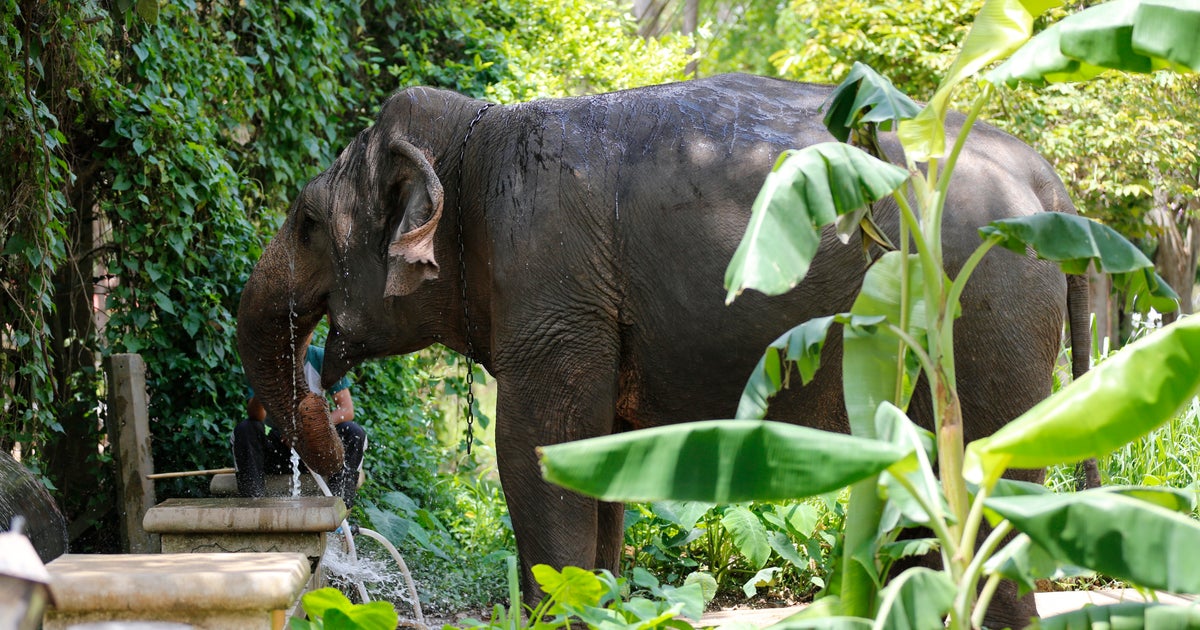
A wild bull elephant named Oyewan claimed its third human victim in Thailand's Khao Yai National Park, trampling a 65-year-old tourist from Lopburi province during a morning walk with his wife. The incident unfolded around 6am near the Khao Yai 4 protection unit, where the couple was exercising when the aggressive animal charged. Park rangers swiftly intervened, scaring Oyewan away and allowing the wife to escape unharmed, though her husband perished at the scene.[1][2][4]
Escalating Human-Wildlife Conflicts
This fatality underscores Thailand's growing elephant population, surging from 334 in 2015 to nearly 800 last year, driving animals closer to tourist areas amid food scarcity in the dry season. Since 2012, over 220 people have died in similar encounters, prompting authorities to administer contraceptive vaccines to females and boost patrols. Officials plan a Friday meeting to consider relocating Oyewan or modifying its behavior, possibly linked to musth aggression.[1][3][4]
Safety Measures for Visitors
Park chiefs urge tourists to maintain distance, heed ranger warnings, and avoid dawn workouts in high-risk zones. Recent cases, like a Spanish tourist's death last year, highlight the need for vigilance. Enhanced monitoring and compensation for families aim to balance conservation with safety in these vital habitats.[3][4]
About the Organizations Mentioned
Khao Yai National Park
**Khao Yai National Park: Thailand's Premier Conservation Area** Khao Yai National Park is not a business organization but rather a **protected natural area and major conservation institution** in Thailand.[1][6] Established in 1962, it holds the distinction of being Thailand's first national park and remains the third largest in the country.[1][6] Spanning over 2,200 square kilometers across four provinces—Nakhon Ratchasima, Saraburi, Nakhon Nayok, and Prachinburi—the park serves as a critical watershed and biodiversity hotspot.[2][3] The park's primary function is **wildlife conservation and environmental protection**. It encompasses diverse ecosystems including dry evergreen forests, grasslands, mountains, and waterfalls, providing habitat for over 350 rare and endangered species.[3] Notable residents include approximately 200 wild elephants, gibbons, clouded leopards, sambar deer, and over 280 bird species, including the great hornbill.[1][3][4] **Key achievements** include its designation as an ASEAN Heritage Park in 1984 and recognition as a UNESCO World Heritage Site in 2005 as part of the Dong Phayayen–Khao Yai Forest Complex.[6] The park has become a major ecotourism destination, attracting wildlife enthusiasts and birdwatchers globally. Currently, the park faces significant challenges. Illegal logging, unauthorized residential development, and encroachment from luxury hotels and golf courses threaten its protected status.[6] Land acquisition for future conservation efforts remains problematic as surrounding areas undergo rapid development. The park offers diverse visitor activities including wildlife observation, bird-watching expeditions, hiking, whitewater rafting, and camping.[3] Notable attractions