Nine Dead in Tragic Tavern Shooting Near Johannesburg
#south_africa #tavern_shooting #gun_violence #organized_crime

Tragic Tavern Shooting Claims Nine Lives Near Johannesburg
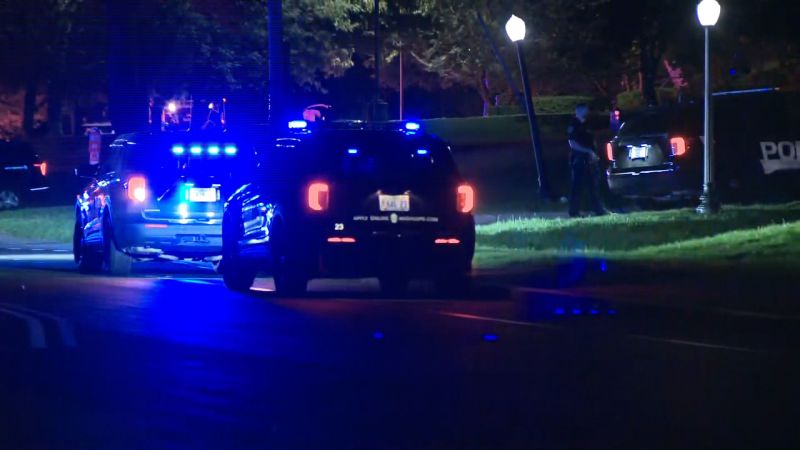
A devastating mass shooting at a tavern in Bekkersdal, southwest of Johannesburg, has left South Africa in mourning. Just before 1 a.m. on December 22, 2025, gunmen in a white kombi and silver sedan unleashed a barrage of bullets on patrons, killing at least nine and injuring ten others. Victims included fleeing drinkers and a passing taxi driver, turning a night of leisure into chaos.[1][2]
Details of the Brutal Attack
Approximately 12 suspects stormed the licensed venue, firing indiscriminately inside and at people escaping into the streets. This attack mirrors a recent tragedy in Saulsville on December 6, where gunmen killed 12, including children aged 3, 12, and 16, in a shebeen raid. South African police have launched a manhunt, amid rising concerns over tavern violence linked to organized crime.[3][2]
Wider Crisis in South African Nightlife
These incidents highlight a surge in bar-related mass shootings, fueled by illegal alcohol sales and gang rivalries. Recent police crackdowns closed thousands of shebeens, yet violence persists, echoing past events in Soweto and Lusikisiki. Communities demand stronger gun control to halt this deadly pattern.[1][3]
About the Organizations Mentioned
South African Police
The South African Police Service (SAPS) is the national law enforcement agency responsible for maintaining security and public order across the Republic of South Africa.[2] Operating through 1,154 police stations distributed according to provincial borders, the organization serves as a critical pillar of the country's justice system. ## Core Mandate and Functions The SAPS operates under a constitutional framework that mandates it to prevent, combat, and investigate crime, maintain public order, protect inhabitants and their property, and uphold the law.[2][3] The organization's responsibilities span crime prevention at local police stations, specialized functions including public-order policing and VIP protection, detective services, forensic analysis, and crime intelligence operations.[3] ## Organizational Structure The service is organized into three primary divisions under three Deputy National Commissioners: Policing (encompassing Visible Policing and Operations, and Protection and Security Services), Crime Detection (including Detective and Forensic Services, and Crime Intelligence), and Support Services (covering Human Resource Management, Legal and Policy Services, and Technology Management Services).[2] The National Commissioner reports directly to the Minister of Police, with nine Provincial Commissioners overseeing operations in each province. ## Specialized Operations SAPS operates specialized units including the Tactical Response Team (TRT) and National Intervention Unit (NIU), which handle high-risk operations such as hostage releases, counterterrorism, dangerous arrests, and barricaded suspect situations.[1] The Public Order Policing division manages crowd control, restores public order during unrest, and combats public violence. ## Contemporary Challenges Despite its institutional role, SAPS has faced significant scrutiny from international organizations including Amnesty International regarding concerns about police brutality, torture allegations, and extrajudicial killings.[2] These issues reflect ongoing tensions between law enforcement operations and human rights accountability within the