Trump's Crackdown on Russian Oil Meets Putin's India Visit: A Delicate Balancing Act

Trump’s Crackdown on Russian Oil and Putin’s India Visit
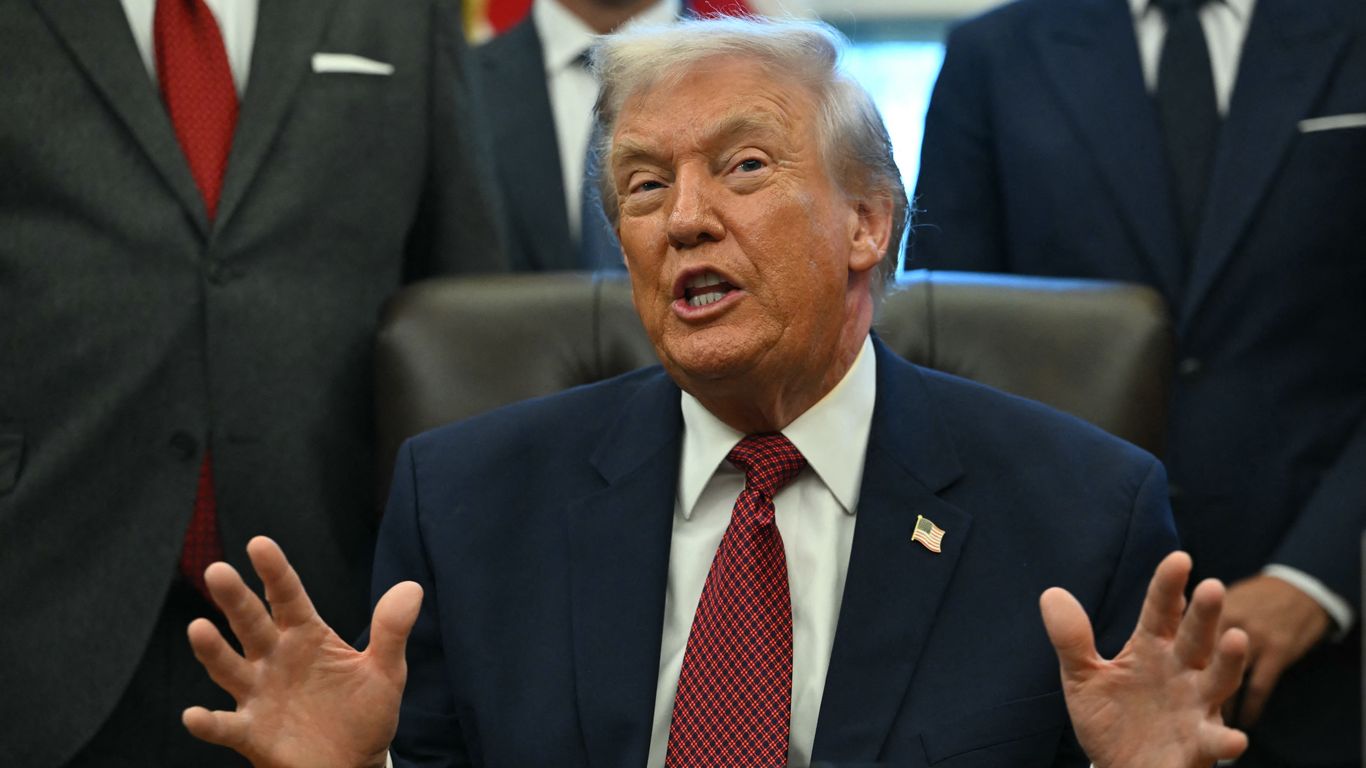
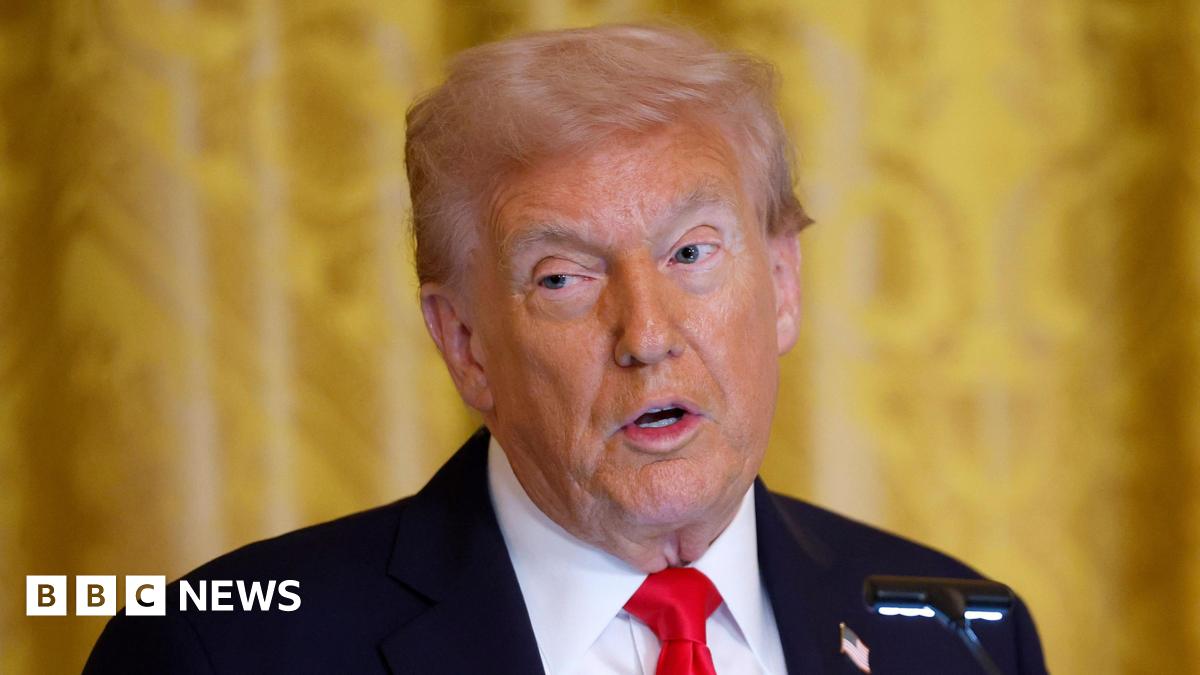
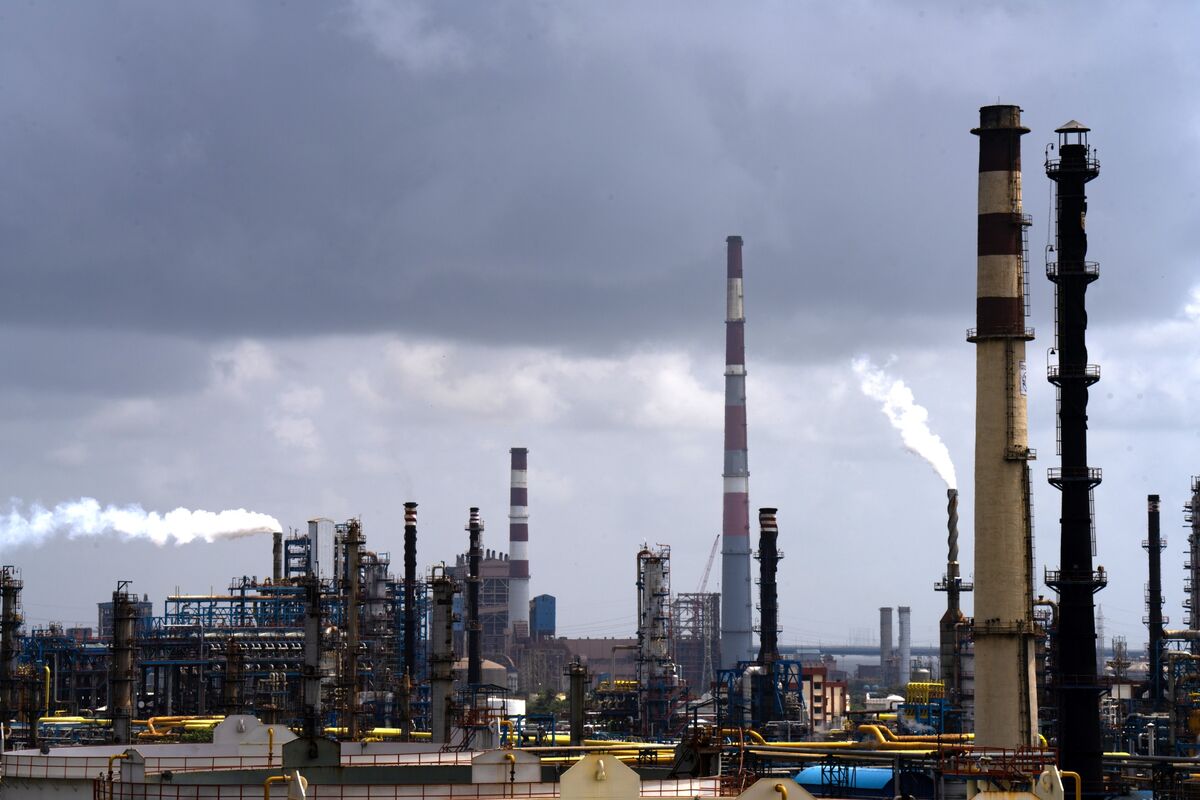
Russian President Vladimir Putin’s state visit to India occurs amid U.S. efforts, led by former President Trump, to restrict Russian oil exports. This puts Prime Minister Narendra Modi in a sensitive position, balancing India’s longstanding ties with Russia against pressure from the United States to curb Moscow’s energy revenues. Modi’s warm reception of Putin underscores the importance of the Russia-India relationship despite global tensions.
India-Russia Relations and Economic Cooperation
During the 23rd India-Russia Summit, Modi and Putin reaffirmed their commitment to deepen economic ties, aiming to boost bilateral trade to $100 billion by 2030. Discussions included expanding cooperation in energy, defense, and technology, alongside plans for a free trade agreement with the Eurasian Economic Union. India also agreed to ease visa restrictions for Russian visitors, signaling closer people-to-people connections.
Diplomatic Challenges Ahead
Modi faces the challenge of assuring Moscow of India’s partnership without alienating Washington, which continues to press for sanctions on Russia amid the Ukraine conflict. This diplomatic tightrope highlights India’s strategic emphasis on maintaining a balanced foreign policy amid shifting global alliances.
About the People Mentioned
Vladimir Putin
Vladimir Putin is the current President of Russia, a position he has held for multiple terms since 2000, with a brief interlude as Prime Minister from 2008 to 2012[1][3]. Born in Leningrad (now Saint Petersburg) in 1952, Putin began his career in the Soviet Union’s security services, joining the KGB in 1975 and rising to the rank of Lieutenant Colonel by the time he left in 1991, following postings in East Germany and Leningrad[4]. After the Soviet Union’s collapse, he transitioned into politics, serving as an adviser to Saint Petersburg Mayor Anatoly Sobchak and later moving to Moscow, where he held various administrative roles under President Boris Yeltsin[6]. Putin was appointed Prime Minister in August 1999 and became acting President when Yeltsin unexpectedly resigned that December[3][6]. He won his first presidential election in March 2000, promising to stabilize Russia’s economy and political system after the tumultuous 1990s[3][7]. During his initial terms, he centralized power, reasserted federal control over Russia’s regions, and curtailed the influence of the country’s oligarchs through legal and economic measures[7]. Putin was re-elected in 2004 but, due to constitutional term limits, stepped aside in 2008, becoming Prime Minister under his successor Dmitry Medvedev, while retaining significant influence[3]. Constitutional amendments later extended presidential terms, and Putin returned to the presidency in 2012[1]. Putin’s time in office has been marked by assertive foreign policy, including military interventions in Syria in support of President Bashar al-Assad and the 2014 annexation of Crimea, which led to international sanctions[1]. Domestically, his tenure has seen increased state control over media, the suppression of political opposition, and constitutional changes consolidating executive authority[1]. In 2022, Russia’s full-scale invasion of Ukraine triggered a major international crisis, further isolating Russia from the West and prompting widespread condemnation[1]. As of 2025, Putin remains a dominant figure in Russian politics, having secured another term in office through constitutional changes that allow him to potentially remain president until 2036[1]. His leadership continues to shape Russia’s domestic trajectory and its role in global affairs, amid ongoing conflict in Ukraine and strained relations with NATO and Western countries[1].
Narendra Modi
Narendra Damodardas Modi, born September 17, 1950, in Vadnagar, Gujarat, is the current Prime Minister of India and a leading figure in the country’s political landscape[1][4]. He is the first Indian prime minister born after India’s independence in 1947[5][7]. Modi’s early life was marked by modest beginnings in a lower-middle-class family, and he became involved with the Rashtriya Swayamsevak Sangh (RSS), a right-wing Hindu nationalist organization, at a young age[2][4]. His political career began in earnest when he joined the Bharatiya Janata Party (BJP) in the 1980s, rising through its ranks due to his organizational skills and grassroots appeal[2][4]. Modi’s first major political role was as Chief Minister of Gujarat from 2001 to 2014, where he was known for pro-business policies and infrastructure development, though his tenure was also controversial due to the 2002 Gujarat riots, for which he faced criticism but was later cleared by a Supreme Court-appointed investigation[4]. In 2014, Modi led the BJP to a decisive national victory, becoming Prime Minister and ending a long period of coalition governments[1][2]. He was re-elected in 2019 and again in 2024, making him one of India’s longest-serving prime ministers and the first outside the Indian National Congress to achieve such longevity[4][2]. As Prime Minister, Modi has pursued sweeping economic reforms, including the introduction of the Goods and Services Tax (GST) to simplify India’s tax system and the demonetization of high-value currency notes to combat corruption[1][6]. He has launched initiatives like “Make in India” to boost manufacturing, “Digital India” to expand internet access, and “Atmanirbhar Bharat” (Self-Reliant India) to reduce import dependency, especially after the COVID-19 pandemic[6]. His government has also implemented large-scale welfare programs such as Ayushman Bharat (health insurance for the poor), Pradhan Mantri Jan Dhan Yojana (financial inclusion), and Ujjwala Yojana (clean cooking fuel for rural households)[5]. Modi’s tenure has seen a marked shift in India’s foreign policy, with increased global engagement, strategic partnerships, and advocacy for a permanent UN Security Council seat[3]. Domestically, his leadership has been associated with a rise in Hindu nationalist sentiment and policies appealing to the Hindu majority[1]. While his economic reforms have expanded the tax base and modernized infrastructure, critics point to challenges such as unemployment and rising living costs[1]. Modi remains a central and polarizing figure in Indian politics, with his policies and persona continuing to shape the nation’s direction into the mid-2020s[2][4].
Donald Trump
Donald John Trump, born June 14, 1946, in Queens, New York, is an American businessman, media personality, and politician. He graduated from the University of Pennsylvania’s Wharton School in 1968 with a degree in economics. In 1971, he took over his family’s real estate business, renaming it the Trump Organization, through which he expanded into building and managing skyscrapers, hotels, casinos, and golf courses. Trump gained widespread fame as the host of the reality TV show *The Apprentice* from 2004 to 2015, which helped establish his public persona as a successful entrepreneur. Trump entered politics as a Republican and was elected the 45th president of the United States, serving from 2017 to 2021. His presidency was marked by significant policy actions including tax cuts, deregulation, the appointment of three Supreme Court justices, renegotiation of trade agreements (notably replacing NAFTA with the USMCA), and a focus on immigration control including border wall expansion. He withdrew the U.S. from international agreements such as the Paris Climate Accord and the Iran nuclear deal, and engaged in a trade war with China. His administration’s response to the COVID-19 pandemic was criticized for downplaying the virus’s severity. Trump was impeached twice by the House of Representatives—first in 2019 for abuse of power and obstruction, and again in 2021 for incitement of insurrection—but was acquitted by the Senate both times. After losing the 2020 election to Joe Biden, Trump challenged the results, culminating in the January 6, 2021, Capitol riot. He remains a central figure in American politics, having won the 2024 presidential election and returned as the 47th president in 2025, continuing to promote policies aimed at economic growth, border security, and military strength[1][2][3][4].
About the Organizations Mentioned
Eurasian Economic Union
The Eurasian Economic Union (EAEU) is a regional economic bloc uniting Armenia, Belarus, Kazakhstan, Kyrgyzstan, and Russia in a common market for goods, services, capital, and labor. Launched in 2015, it evolved from earlier integration efforts like the Russia–Belarus–Kazakhstan Customs Union (2010) and the Eurasian Economic Community, aiming to boost competitiveness, deepen economic cooperation, and raise living standards across its 180+ million population. At its core, the EAEU functions as a single market with a shared external tariff, coordinated macroeconomic policies, and harmonized technical, sanitary, and customs regulations. Its 2025 Strategy, adopted in 2020, focuses on completing the common market, improving regulatory efficiency, and digitizing trade and customs processes. A key ambition is to establish a common financial market and a supranational regulator, moving toward a more EU-style economic space while remaining primarily an intergovernmental organization. The EAEU has made tangible progress: trade among members has grown, and landmark free trade agreements (FTAs) with countries like Vietnam have significantly boosted external trade. It is now negotiating FTAs with major economies including India, Indonesia, Egypt, Thailand, and the UAE, positioning itself as a bridge between Europe and Asia, especially in the context of China’s Belt and Road Initiative. Technology and digitalization are central to the EAEU’s modernization drive. Its Digital Agenda until 2025 aims to create a common digital space, modernize infrastructure, and boost GDP by up to 1% annually through digital transformation. Priority sectors include energy, transport, petrochemicals, and digital services, with Kazakhstan and others investing heavily in infrastructure and green energy. Looking ahead, the EAEU is developing a 2030 development strategy focused on deeper integration, sustainability, and global competitiveness, with a long-term vision