Trump's Gold Card Visa Reshapes US Immigration Policy
Trump's Gold Card Visa Revolutionizes US Immigration
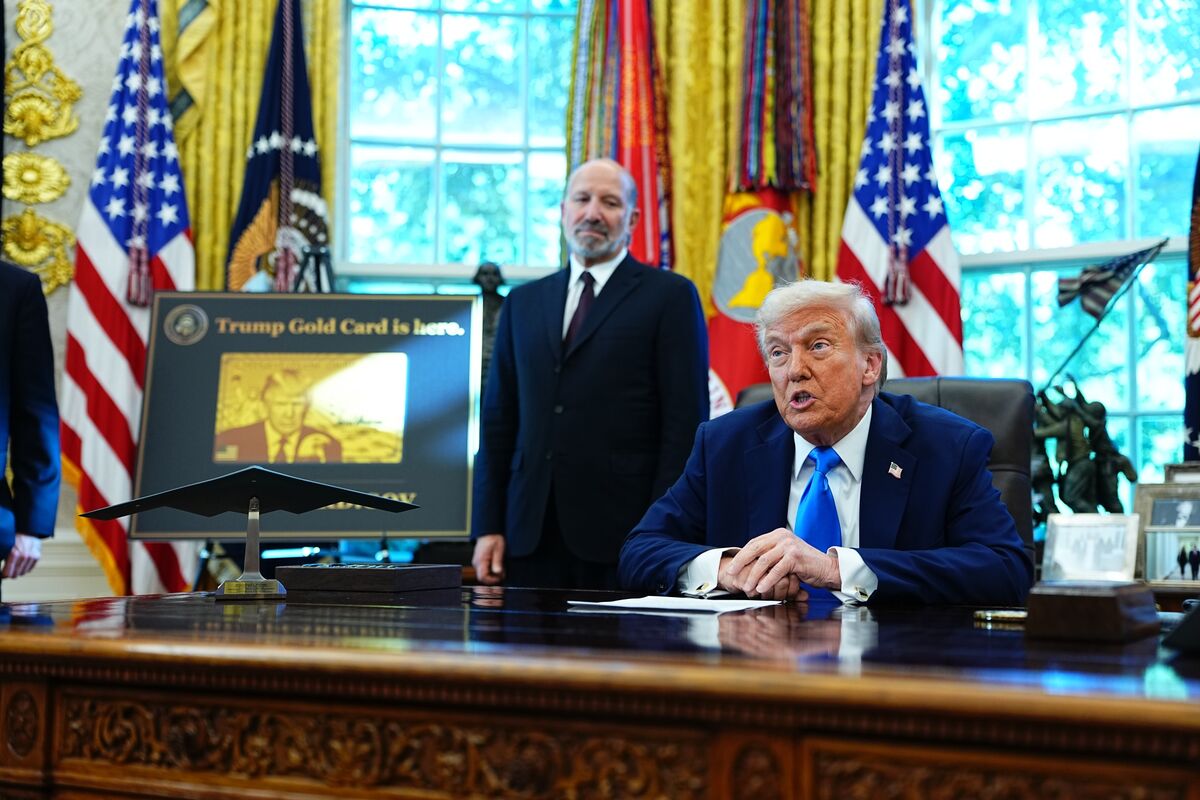
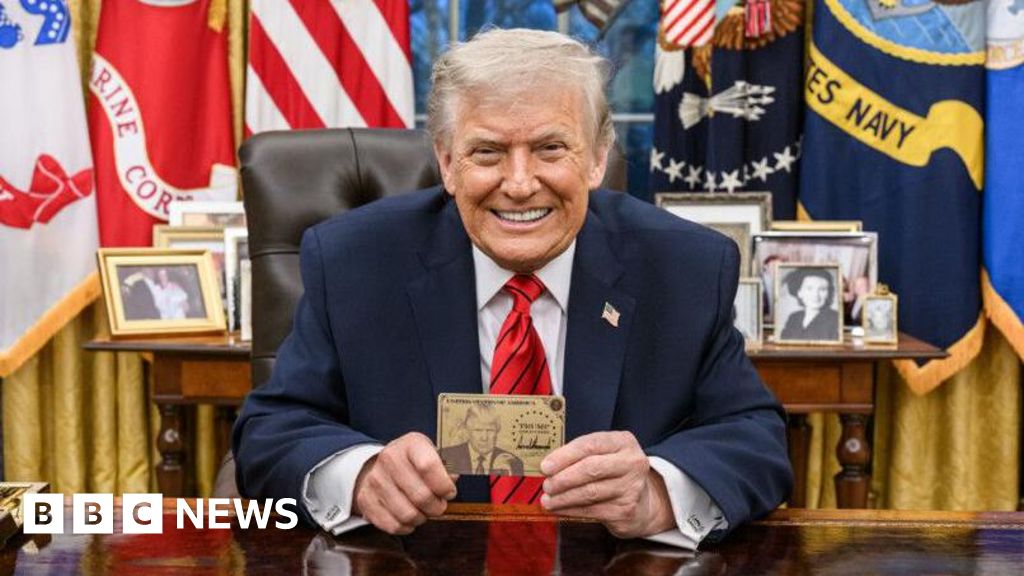
President Donald Trump has unveiled the innovative Gold Card visa program, offering a fast-track path to US residency for high-caliber individuals. Launched via Executive Order 14351 on September 19, 2025, this initiative targets top global talent ready to invest substantially in America, aiming to replace the criticized EB-5 program with a streamlined alternative.[1][5]
Key Features and Application Process
Applicants pay a nonrefundable $15,000 processing fee for rigorous vetting, followed by a $1 million gift to the US upon approval. Up to 80,000 Gold Cards are available initially, granting green card-like status through EB-1A or EB-2 categories for those demonstrating extraordinary ability or national interest benefits. Commerce Secretary Howard Lutnick emphasizes attracting the "top of the top" investors and entrepreneurs.[2][6][7]
Potential Impacts and Platinum Upgrade
This program promises economic boosts via direct funding while restricting H-1B entries without $100,000 fees. A teased Platinum Card requires $5 million for 270 tax-free days annually on foreign income, sparking debate on equity. Critics highlight risks like legal challenges, but proponents see it revitalizing American innovation.[1][3][4]
About the People Mentioned
Donald Trump
Donald John Trump, born June 14, 1946, in Queens, New York, is an American businessman, media personality, and politician. He graduated from the University of Pennsylvania’s Wharton School in 1968 with a degree in economics. In 1971, he took over his family’s real estate business, renaming it the Trump Organization, through which he expanded into building and managing skyscrapers, hotels, casinos, and golf courses. Trump gained widespread fame as the host of the reality TV show *The Apprentice* from 2004 to 2015, which helped establish his public persona as a successful entrepreneur. Trump entered politics as a Republican and was elected the 45th president of the United States, serving from 2017 to 2021. His presidency was marked by significant policy actions including tax cuts, deregulation, the appointment of three Supreme Court justices, renegotiation of trade agreements (notably replacing NAFTA with the USMCA), and a focus on immigration control including border wall expansion. He withdrew the U.S. from international agreements such as the Paris Climate Accord and the Iran nuclear deal, and engaged in a trade war with China. His administration’s response to the COVID-19 pandemic was criticized for downplaying the virus’s severity. Trump was impeached twice by the House of Representatives—first in 2019 for abuse of power and obstruction, and again in 2021 for incitement of insurrection—but was acquitted by the Senate both times. After losing the 2020 election to Joe Biden, Trump challenged the results, culminating in the January 6, 2021, Capitol riot. He remains a central figure in American politics, having won the 2024 presidential election and returned as the 47th president in 2025, continuing to promote policies aimed at economic growth, border security, and military strength[1][2][3][4].
Howard Lutnick
Howard W. Lutnick is an American businessman and the current U.S. Secretary of Commerce, appointed in 2025. He is best known as the chairman and CEO of Cantor Fitzgerald, a leading financial services firm, as well as chairman and CEO of BGC Group and Newmark Group, major players in brokerage, financial technology, and commercial real estate. Born on July 14, 1961, Lutnick graduated from Haverford College with a degree in economics and joined Cantor Fitzgerald in 1983, rising to president and CEO by 1991 and chairman in 1996. Lutnick's career was profoundly shaped by the September 11, 2001 terrorist attacks, which destroyed Cantor Fitzgerald's headquarters in the World Trade Center, killing 658 of its 960 New York employees, including Lutnick’s brother. In response, he led the company’s rebuilding efforts and founded the Cantor Fitzgerald Relief Fund, which has raised over $180 million to support victims' families and aid disaster relief worldwide. His resilience earned him recognition such as Financial Times’ Person of the Year in 2001 and Ernst & Young’s U.S. Entrepreneur of the Year in 2010. Under Lutnick’s leadership, Cantor Fitzgerald and its affiliates employ more than 10,000 people globally and hold extensive financial and real estate assets. He has driven strategic growth through acquisitions and innovation, including the 2004 spin-off of BGC Partners and the 2011 acquisition of Newmark, which later went public. Politically, Lutnick shifted from Democrat to Republican, closely aligning with Donald Trump. In 2024, he co-chaired Trump’s presidential transition team and was nominated by Trump as U.S. Secretary of Commerce, confirmed by the Senate in early 2025. In this federal role, Lutnick oversees economic data, trade enforcement, industrial policy, and climate monitoring, supporting policies like tariffs and domestic industry investment. Lutnick is also active in philanthropy and serves on the board of the National September 11 Memorial & Museum[1][2][3][5][6][7][8].