Trump Sues BBC Over Jan. 6 Documentary Edit: Defamation Case and Editorial Fallout
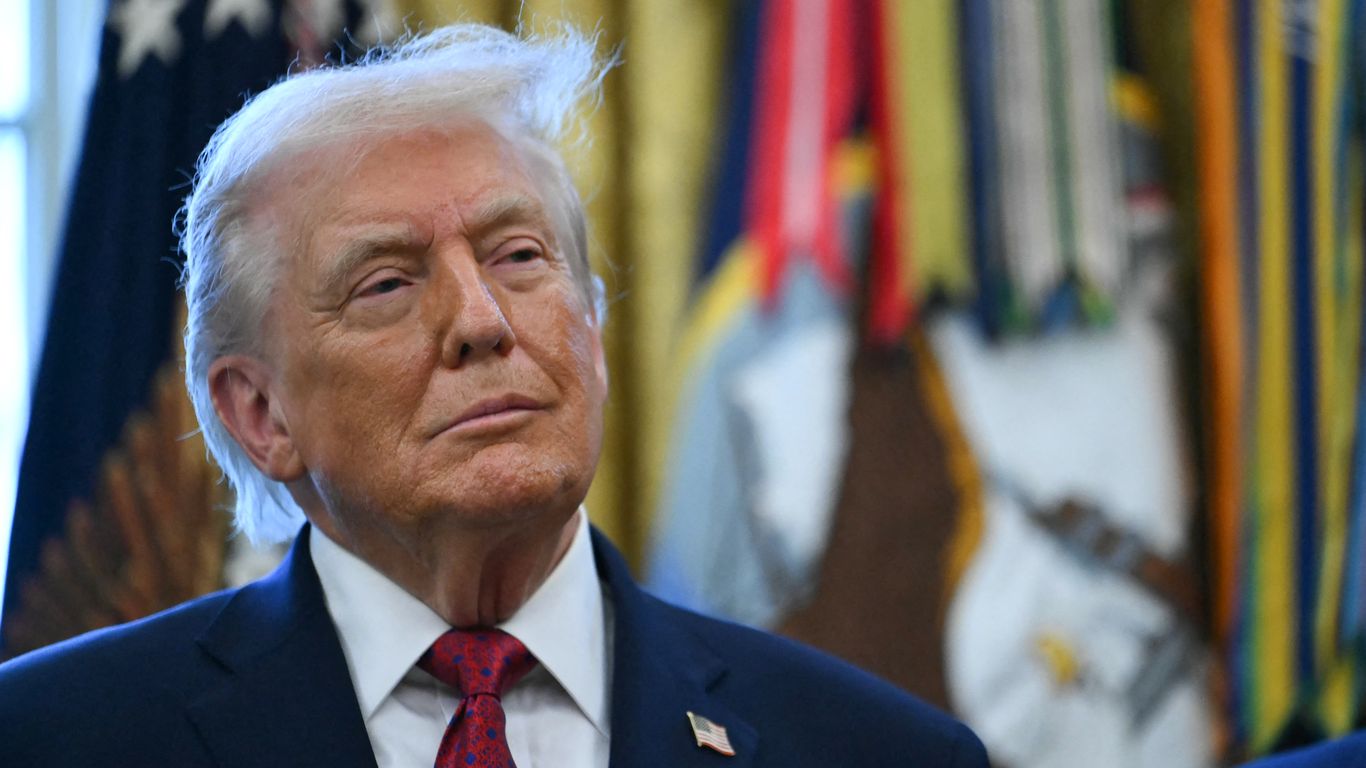
Trump sues BBC over Jan. 6 documentary edit
Former President Trump filed a high-profile lawsuit accusing the BBC of defamation for how it edited his Jan. 6, 2021 speech, seeking at least $5 billion in damages and alleging the documentary altered context and meaning to his detriment.
Claims, context, and legal framing
The complaint argues selective cuts and narrative framing transformed the original remarks into something misleading, citing broadcast reach and reputational harm as grounds for the large damages demand; legal analysts note the case will hinge on intent, editorial standards, and differing defamation rules between U.S. and U.K. law, while media defenders point to public interest reporting and editorial judgment.
Potential implications
A court battle could reshape expectations for documentary editing, influence broadcaster fact-checking practices, and spark debate about accountability, free speech, and how historical events are portrayed for mass audiences.
About the Organizations Mentioned
BBC
## Overview The British Broadcasting Corporation (BBC) is the world’s oldest and largest national broadcaster, serving as a cornerstone of public service media in the United Kingdom and beyond[1][2]. Headquartered in London, the BBC operates under a royal charter and is primarily funded by a television licence fee paid by UK households, ensuring its editorial independence from both government and commercial interests[1][2]. This model allows the BBC to fulfill its mission to “inform, educate, and entertain” with impartiality at its core[3]. ## History and Evolution The BBC was founded on October 18, 1922, as the British Broadcasting Company Ltd., evolving into a public corporation under royal charter on January 1, 1927[1][2]. Its first Director-General, John Reith, established principles of independence and public service that continue to guide the organization. The BBC launched its television service in 1936, pioneering broadcasting technology, and expanded globally with the BBC World Service in 1932, now broadcasting in 28 languages[1][2]. ## Key Achievements The BBC has been a trailblazer in broadcasting, introducing innovations such as regular television broadcasts, color TV, and digital platforms like BBC iPlayer[1][2]. It has earned a reputation for high-quality journalism, producing globally recognized programs in news, drama, and documentary. The BBC’s international arm, BBC Studios, commercializes content worldwide, while the BBC World Service remains a vital source of news in regions with limited press freedom[1]. The corporation has received numerous accolades, including the Queen’s Award for Enterprise for its international business achievements[1]. ## Current Status and Digital Transformation With over 21,000 employees, the BBC remains a dominant force in media, generating £5.4 billion in annual income, mostly from licence fees[2]. It operates multiple TV channels, radio stations, and a robust online presence, including BBC News Online and BBC.com[1