Trump's Vision for Global Leadership
#trump #national_security_strategy #america_first #western_hemisphere #foreign_policy

Trump’s Vision for Global Leadership
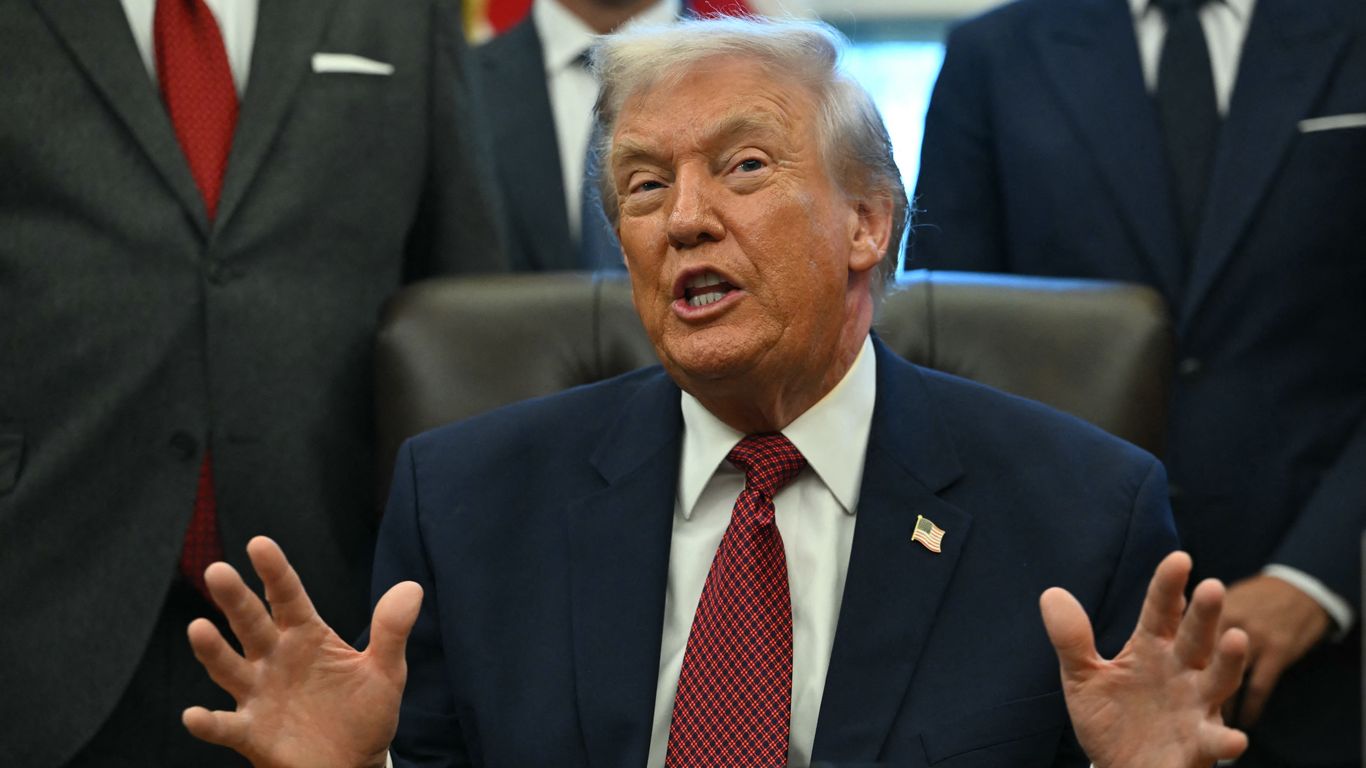
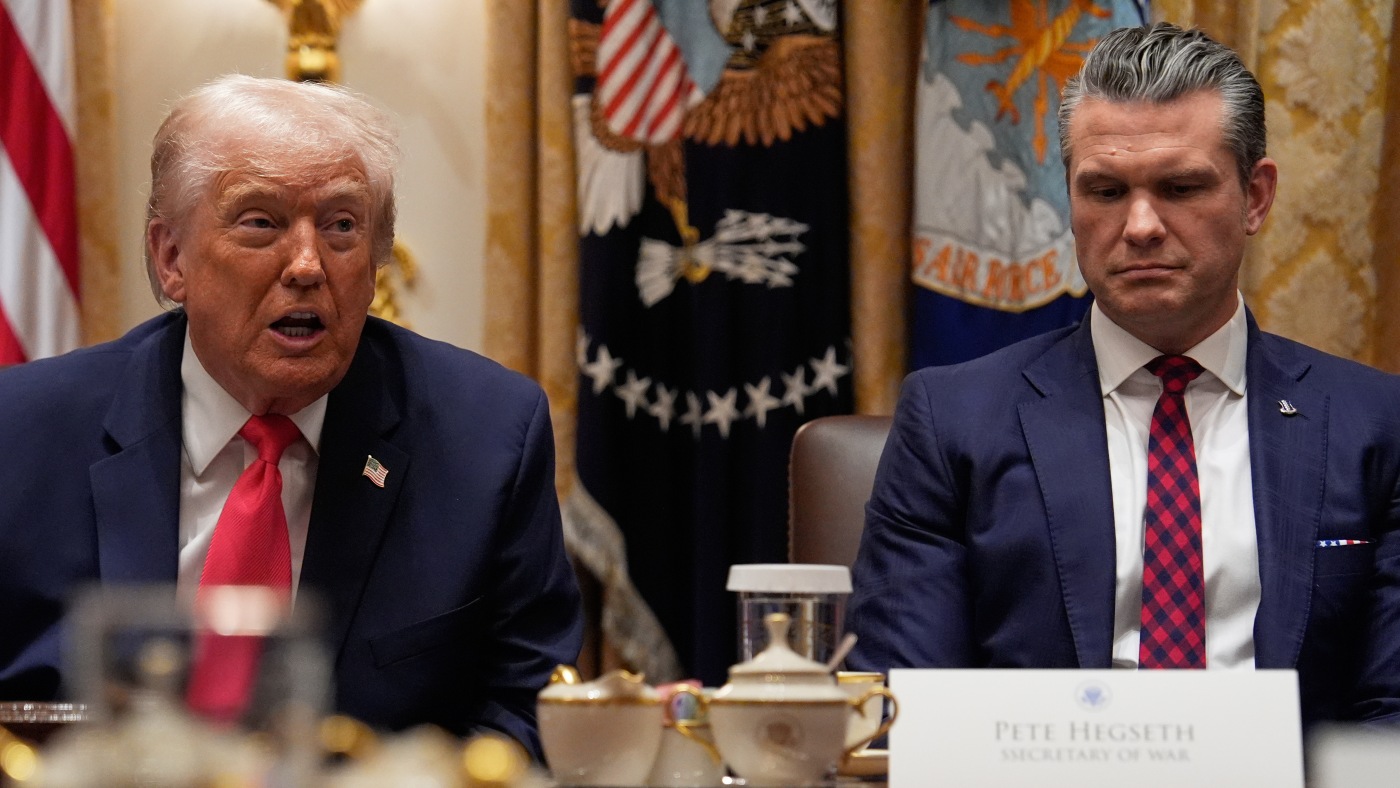
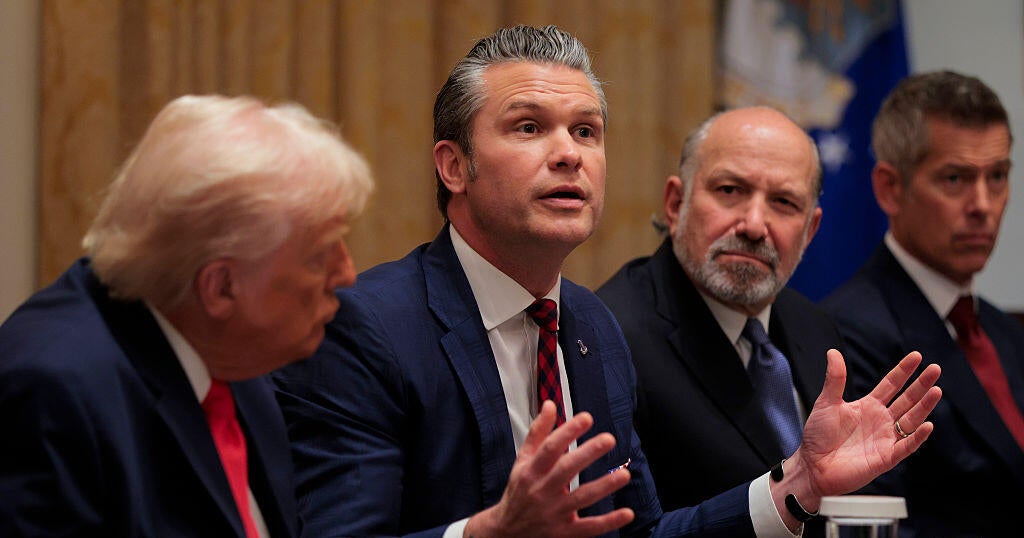
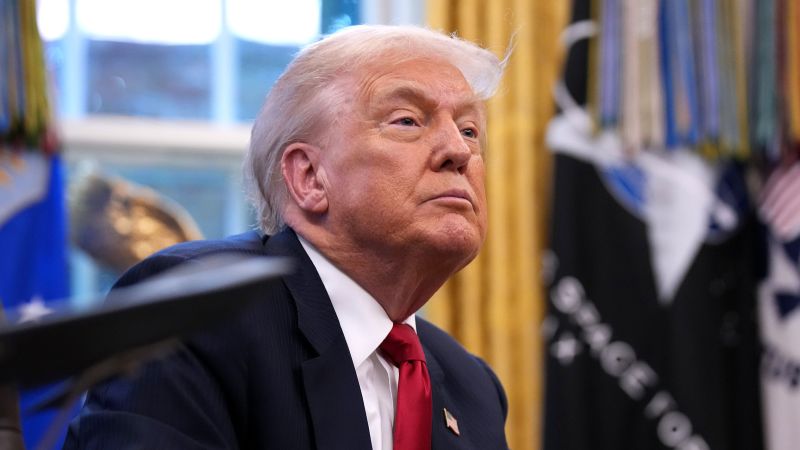
President Trump’s newly revealed National Security Strategy lays out a bold, America-first blueprint for how he wants the world to look. This formal document, typically issued once per term, defines U.S. global priorities and signals a sharp departure from post–Cold War interventionism. Trump frames foreign policy as a tool to protect core national interests, not to reshape distant nations. He emphasizes that other countries matter only when their actions directly threaten U.S. security or prosperity, rejecting the idea of permanent American domination everywhere.
Western Hemisphere and Cultural Priorities
The strategy highlights a stronger military and economic focus on the Western Hemisphere, including a “Trump Corollary” to the Monroe Doctrine to assert U.S. influence. It also promotes Western identity and traditional values, calling for the restoration of American spiritual and cultural health. By tying economic freedom, border security, and cultural renewal to national strength, the administration aims to make America not just powerful, but uniquely successful and free.
About the People Mentioned
Donald Trump
Donald John Trump, born June 14, 1946, in Queens, New York, is an American businessman, media personality, and politician. He graduated from the University of Pennsylvania’s Wharton School in 1968 with a degree in economics. In 1971, he took over his family’s real estate business, renaming it the Trump Organization, through which he expanded into building and managing skyscrapers, hotels, casinos, and golf courses. Trump gained widespread fame as the host of the reality TV show *The Apprentice* from 2004 to 2015, which helped establish his public persona as a successful entrepreneur. Trump entered politics as a Republican and was elected the 45th president of the United States, serving from 2017 to 2021. His presidency was marked by significant policy actions including tax cuts, deregulation, the appointment of three Supreme Court justices, renegotiation of trade agreements (notably replacing NAFTA with the USMCA), and a focus on immigration control including border wall expansion. He withdrew the U.S. from international agreements such as the Paris Climate Accord and the Iran nuclear deal, and engaged in a trade war with China. His administration’s response to the COVID-19 pandemic was criticized for downplaying the virus’s severity. Trump was impeached twice by the House of Representatives—first in 2019 for abuse of power and obstruction, and again in 2021 for incitement of insurrection—but was acquitted by the Senate both times. After losing the 2020 election to Joe Biden, Trump challenged the results, culminating in the January 6, 2021, Capitol riot. He remains a central figure in American politics, having won the 2024 presidential election and returned as the 47th president in 2025, continuing to promote policies aimed at economic growth, border security, and military strength[1][2][3][4].