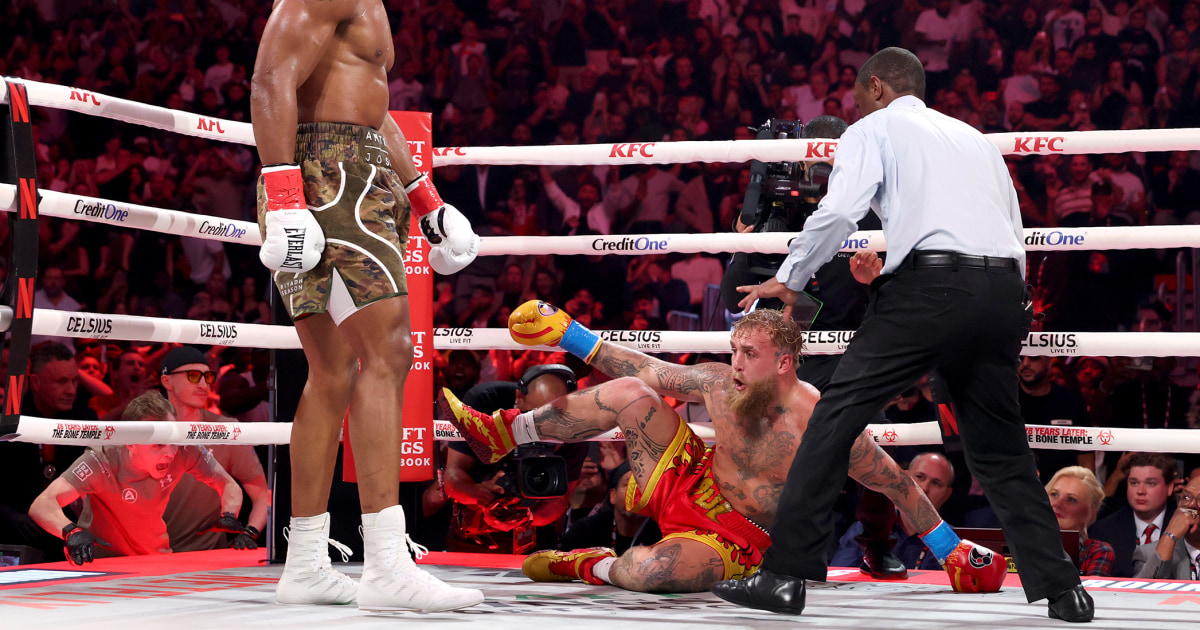
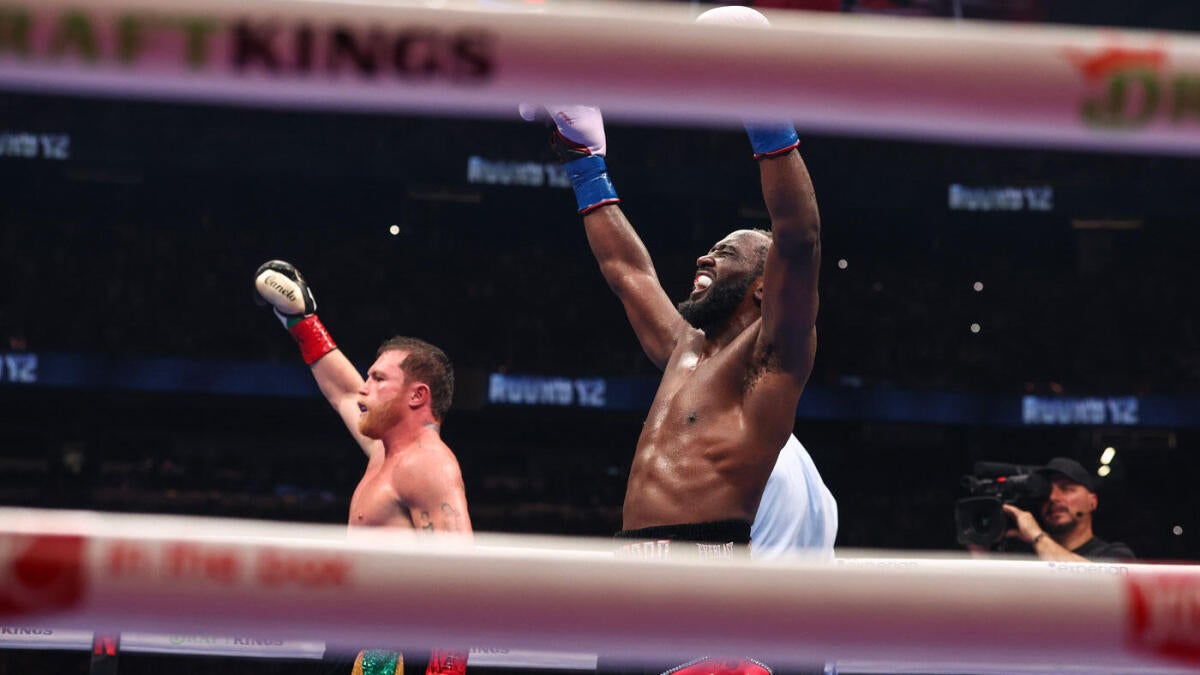
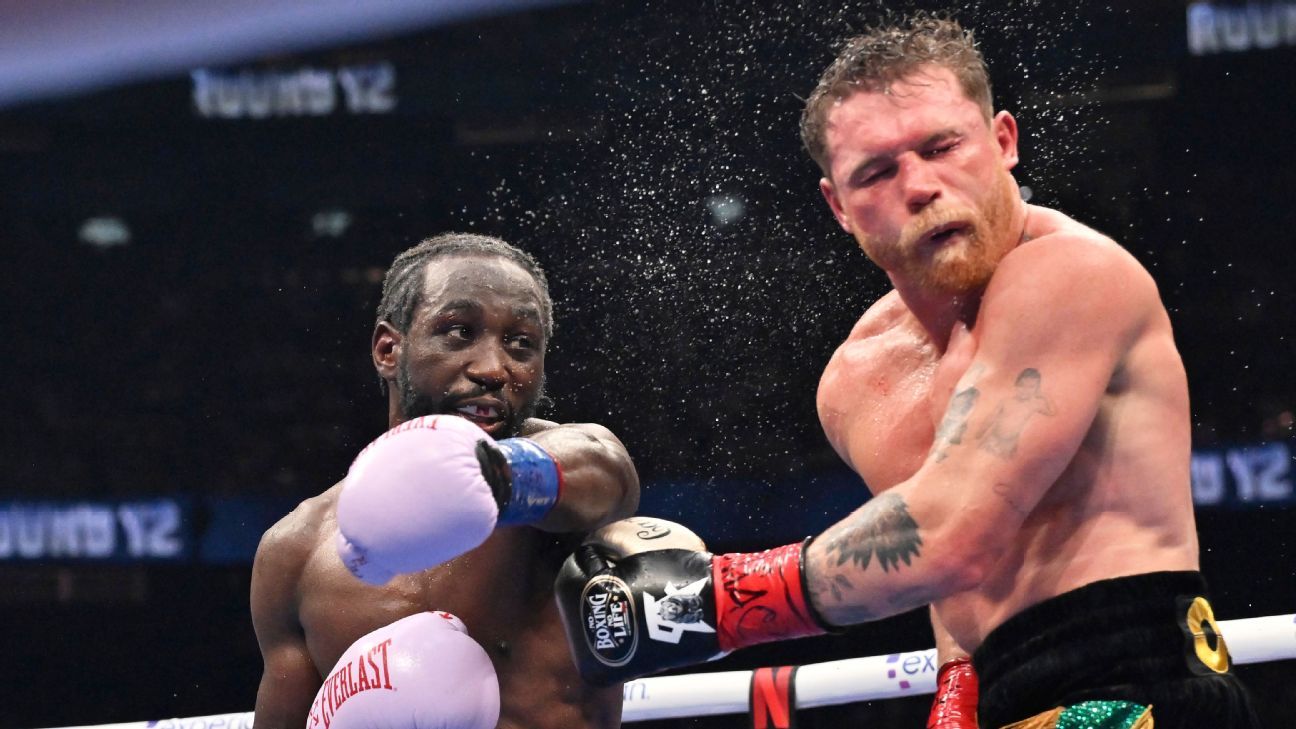
Tyson Fury vs Arslanbek Makhmudov: Epic Comeback in Heavyweight Clash
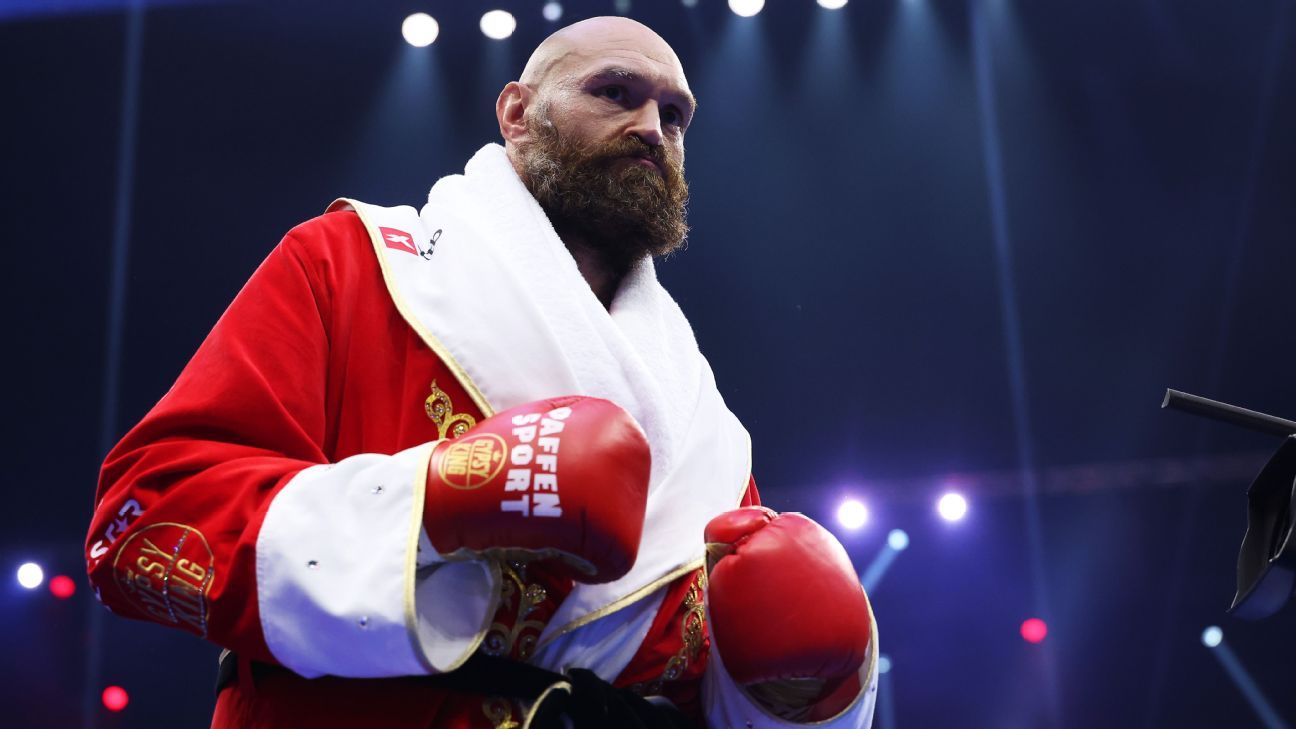
Tyson Fury's Epic Comeback Against Arslanbek Makhmudov
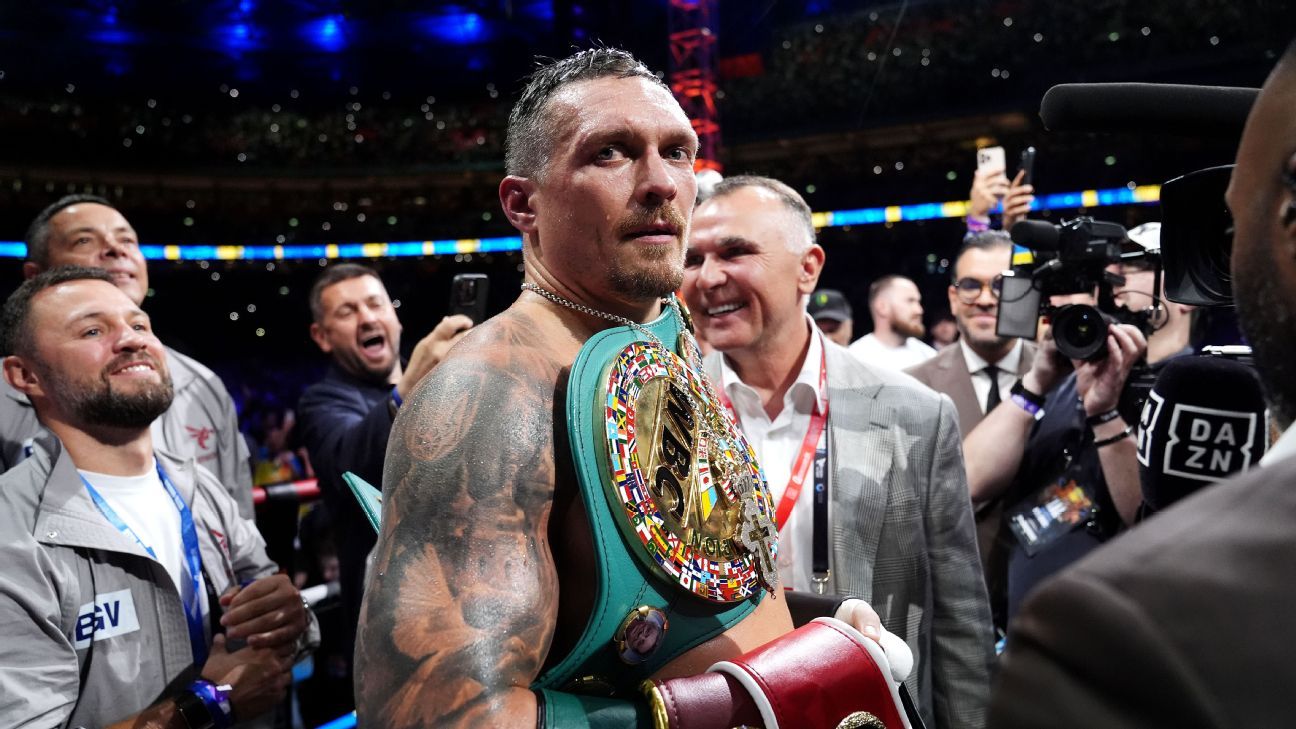
Boxing fans rejoice as Tyson Fury, the former lineal and WBC heavyweight champion, confirms his highly anticipated return to the ring. Set for April 11, the Gypsy King will face undefeated powerhouse Arslanbek Makhmudov in a clash promising fireworks. With a stellar record of 34 wins, 24 by knockout, one loss, and one draw, Fury aims to reclaim his throne after recent setbacks[3][1].
Fury's Legendary Path to Redemption
Fury's career boasts iconic triumphs, from dethroning Wladimir Klitschko in 2015 to dominating Deontay Wilder in their trilogy, including a seventh-round TKO in 2020[1][2]. Standing 6-foot-9 with an 85-inch reach, the 37-year-old orthodox fighter has revitalized heavyweight boxing through battles with Derek Chisora and Dillian Whyte[3]. His resilience shone in a narrow win over Francis Ngannou despite a knockdown[3].
What This Fight Means for Heavyweight Glory
Makhmudov represents a fresh test for Fury, whose blend of hooks, uppercuts, and footwork keeps foes guessing[1]. A victory could propel him toward undisputed status, reigniting rivalries and drawing global eyes. Expect strategic mastery and raw power in this pivotal bout[3].
About the Organizations Mentioned
World Boxing Council
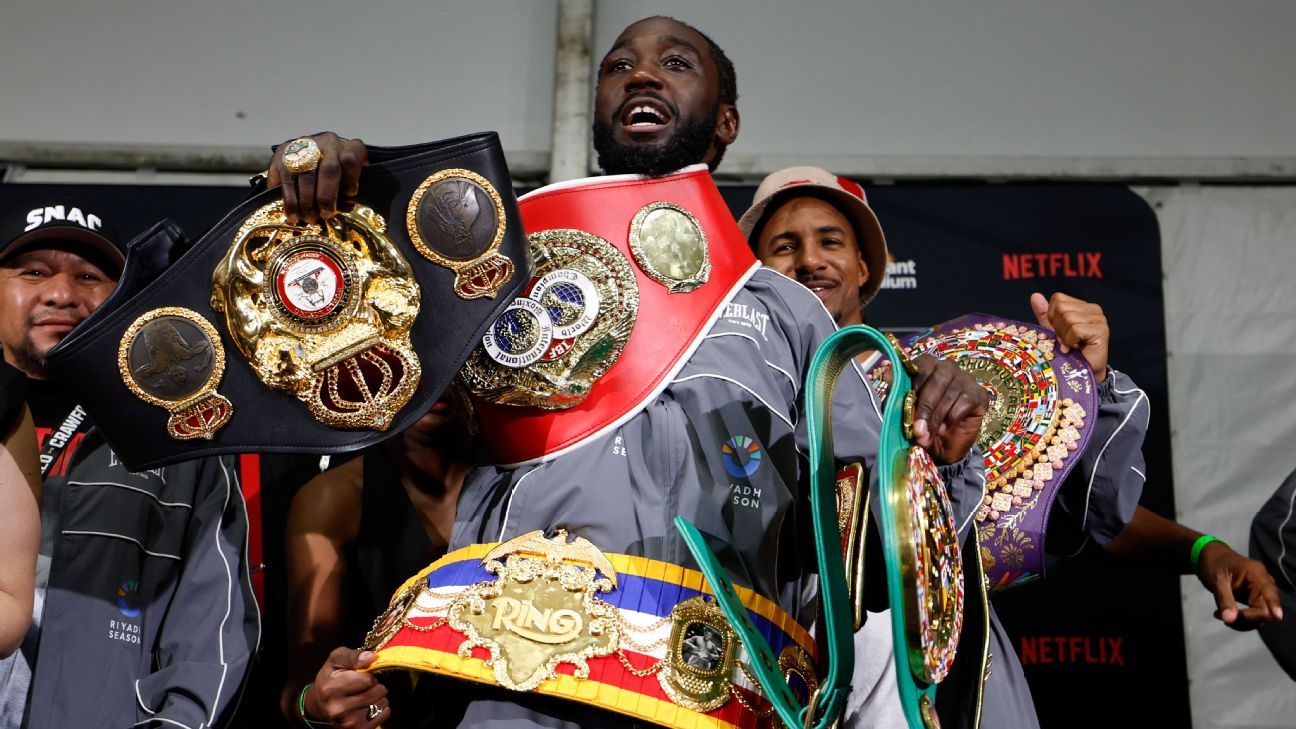
The **World Boxing Council (WBC)** is a leading non-profit organization in professional boxing, sanctioning world championships across 16+ weight divisions in 168 member countries, prioritizing fighter safety, fair competition, and global expansion.[1][2][4] Founded on February 14, 1963, in Mexico City at the initiative of President Adolfo López Mateos, the WBC united 11 nations—including the United States, Mexico, Argentina, the UK, France, the Philippines, Panama, Chile, Peru, Venezuela, and Brazil—to standardize rules and counter U.S.-centric governance by the WBA's predecessor.[1][2][3][5] Early presidents like Luis Spota (Mexico) and Ramón G. Velásquez shaped its foundation; José Sulaimán led from 1975 to 2014, growing it into boxing's premier body, followed by his son Mauricio Sulaimán today.[1][2] **Key achievements** revolutionized the sport: In 1983, post-Kim Duk-koo's death, it cut title fights from 15 to 12 rounds—a safety standard now universal—plus 24-hour weigh-ins, new weight divisions, four-rope rings, and the standing eight-count.[1][2][3] The WBC legitimized women's boxing with titles for pioneers like Jackie Nava (2005) and Laila Ali, and its iconic green-and-gold belt, edged with 161 flags, symbolizes prestige.[1][3] Currently, the WBC enforces rules like blocking Russian/Belarusian boxers amid geopolitical tensions and allows dual WBC-WBO titles, fostering unity.[1][2] It hosts annual conventions to innovate, emphasizing loyalty, integrity, and boxer welfare over profit.[2][6] Though criticized for "alphabet soup" multiple champions per division alongside WBA/WBO/IBF, the WBC's safety reforms an