UNC Dominates Notre Dame 91-69 in Dean Dome: Rapid Reactions
Lucas: Notre Dame Rapid Reactions
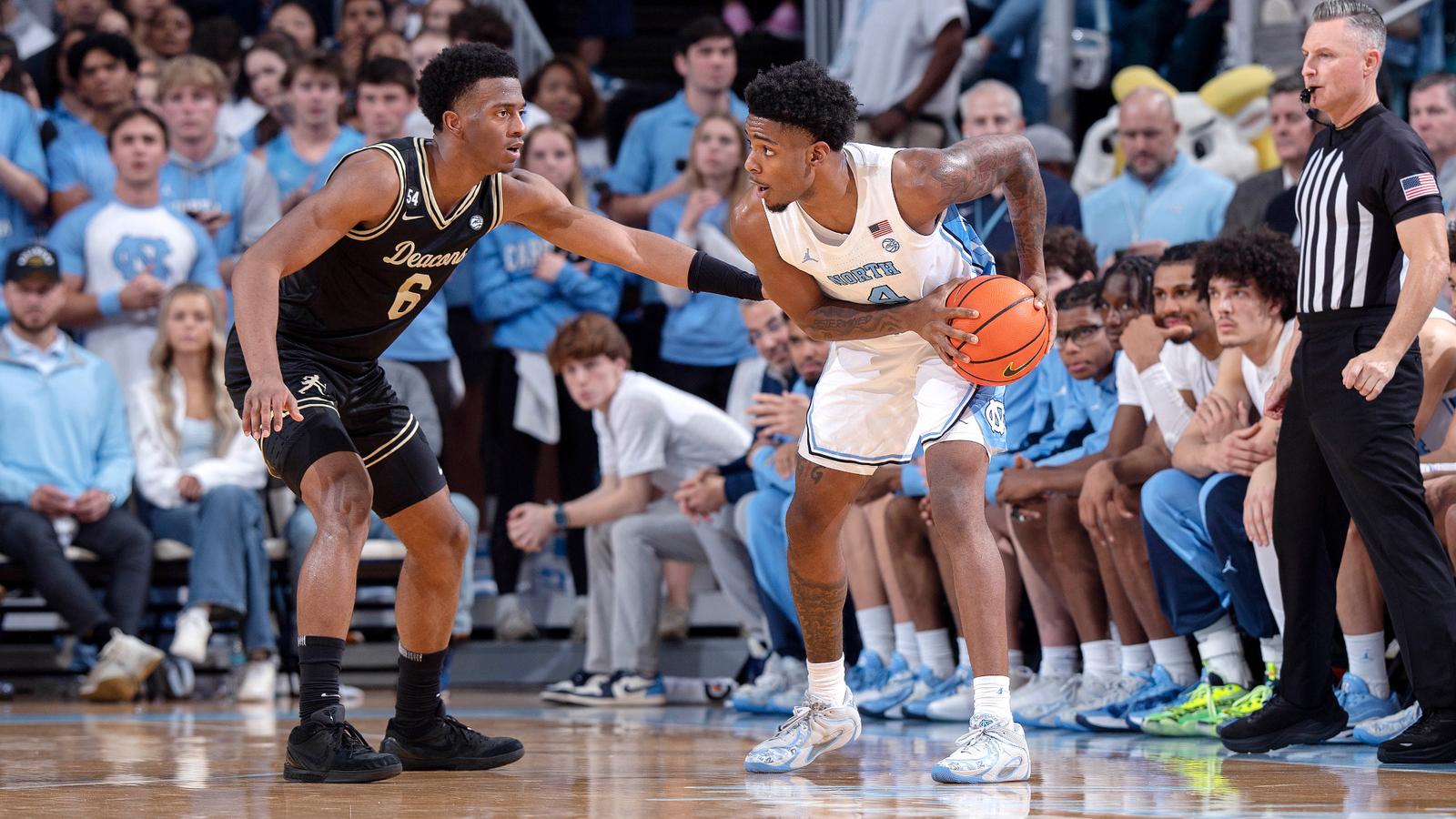
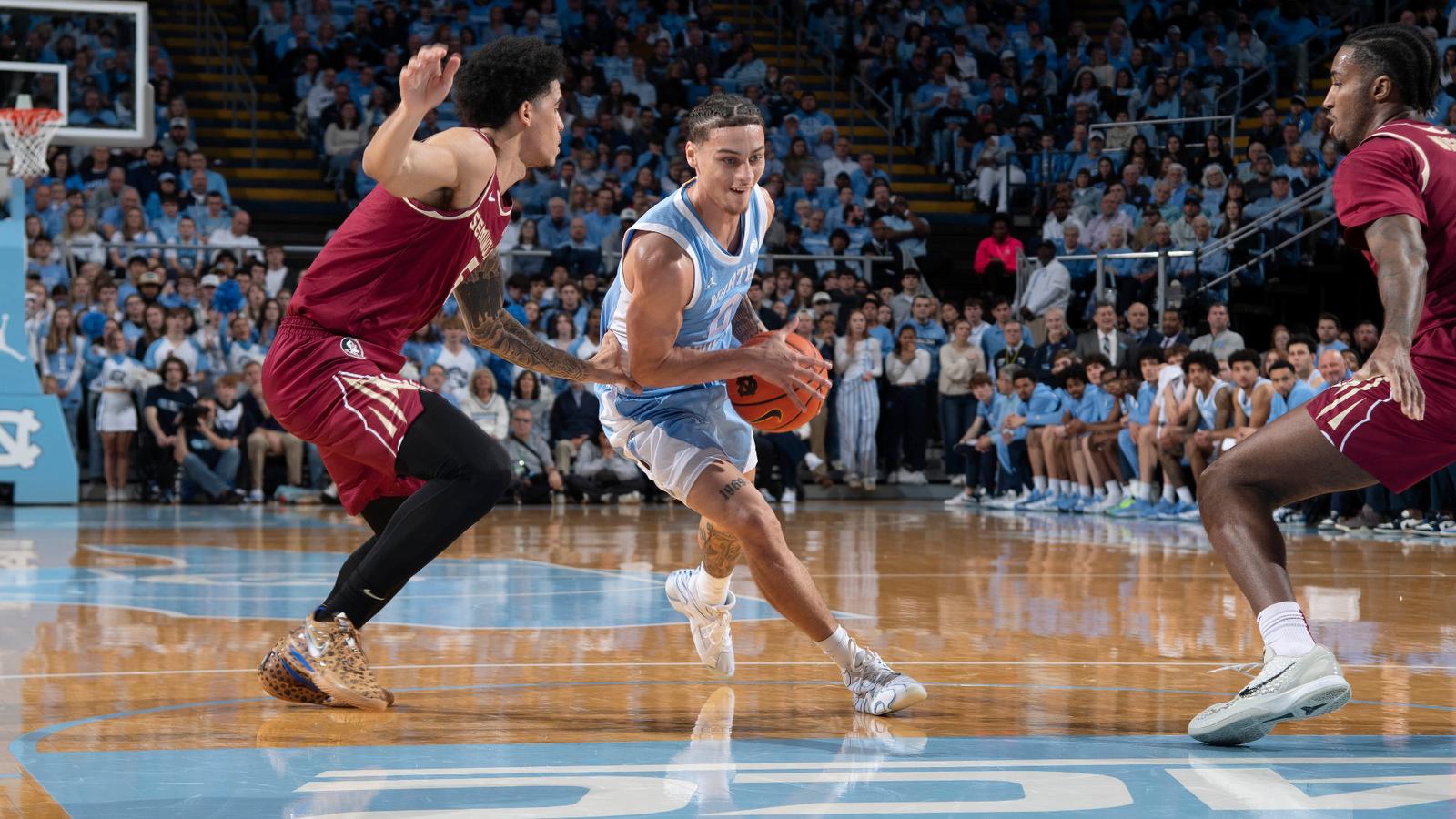
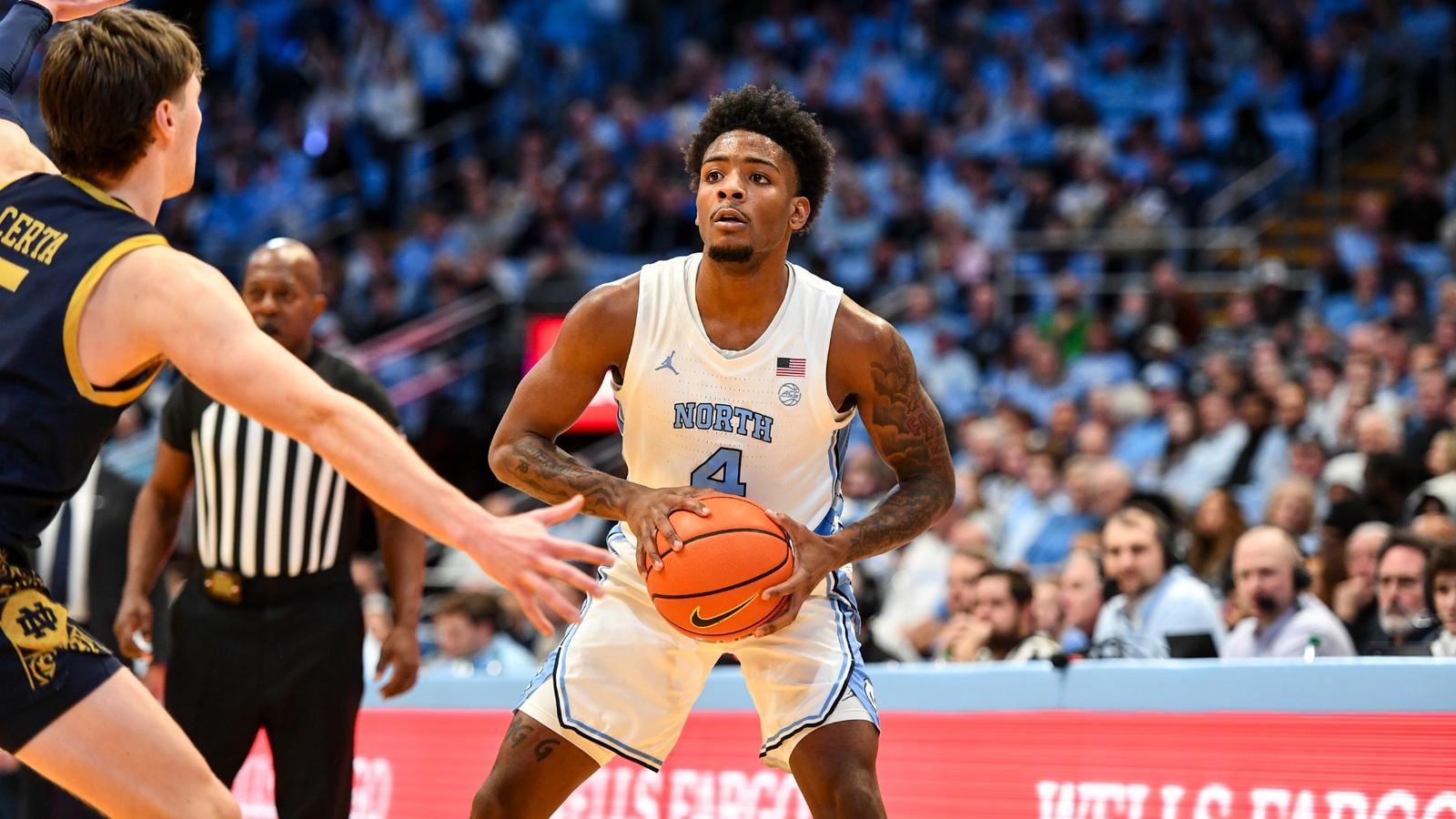
The North Carolina Tar Heels delivered a commanding 91-69 victory over Notre Dame in their final home game of the month, boosting their perfect 12-0 record at the Dean Dome. Ranked No. 22, UNC bounced back from recent struggles with dominant frontcourt play and sharp shooting, securing a much-needed ACC win against a struggling Irish squad on a five-game skid.[1][5]
Standout Performances Drive the Win
Freshman Caleb Wilson led with 22 points on efficient 8-of-11 shooting, adding seven rebounds and five assists—his 13th 20-point game, nearing the UNC freshman record. Teammate Henri Veesaar notched a double-double with 15 points and 12 boards in just 28 minutes, posting a game-high +30 plus-minus. Junior Jaydon Young earned his first Tar Heel start, injecting energy despite foul trouble.[1][2][6]
Key Adjustments and Defensive Edge
UNC exploited a massive frontcourt advantage, sinking a season-high 13 threes from eight players while limiting Notre Dame to 36% shooting and 8-of-25 from deep post-halftime. After a perimeter-heavy start, the Heels smartly attacked inside, building a lead with a 10-0 second-half run. This convincing performance restores confidence ahead of tougher road tests.[3][6][7]
About the People Mentioned
Caleb Wilson
Caleb Wilson is an American college basketball player, a 6-foot-9 forward who plays for the University of North Carolina Tar Heels and is widely regarded as one of the top freshmen in the 2025 class. He was a five-star recruit from Holy Innocents’ Episcopal School in Atlanta, where he led his team to the 2025 private-school state title and earned major national honors including Georgia Gatorade Player of the Year and semifinalist recognition for the Naismith Trophy[3][2]. At Holy Innocents, Wilson compiled standout all-around statistics—roughly 21.7 points, 11.1 rebounds, 5.0 assists, 3.6 blocks and 2.1 steals per game as a senior—and finished his prep career with more than 1,800 points and 1,100 rebounds, appearances in elite All-American events (McDonald’s All-American, Jordan Brand Classic), and EYBL play on the grassroots circuit[3][2]. Recruiting services rated him a five-star prospect with positional length (listed around 6'9" with about a 7-foot wingspan) and two-way upside, which contributed to his high-profile arrival at UNC[8][7]. Since joining North Carolina, Wilson has drawn media attention for his confident personality, endorsement activity, and immediate on-court impact as a freshman, with highlights and game clips regularly featured by major sports outlets[4][6]. Reports note he signed an endorsement deal with New Balance before his collegiate debut and that coaches have praised both his competitive drive and off-court interests[4]. Game logs and highlight reels show early contributions in scoring, rebounding and rim play for the Tar Heels during the 2025–26 season[6][7]. Wilson’s current relevance stems from his status as a high-profile freshman on a storied program, his rapid rise from Georgia prep star to Power Five contributor, and ongoing national coverage that tracks his development and potential future as a professional prospect[3][6][8].
Henri Veesaar
Henri Veesaar is an Estonian collegiate basketball player who plays center for the North Carolina Tar Heels. He was born on March 28, 2004, in Tallinn, Estonia, and developed in Real Madrid’s youth program before moving to U.S. college basketball with Arizona and later transferring to North Carolina[1][3]. At Real Madrid’s youth setup Veesaar spent three seasons and showed significant production in international youth competition, including averaging 16.2 points, 11.6 rebounds and 3.8 blocks in FIBA’s U18 European Challenger in 2021[1][2]. He debuted with the Estonian senior national team at 17 years old, becoming the youngest Estonian to appear in a FIBA qualifier when he played against Iceland in July 2021[2][3]. Veesaar joined Arizona in 2022; across his Arizona tenure he progressively increased his role, redshirting one season after injury and then emerging as a reliable frontcourt contributor who can score inside, rebound and protect the rim[2][3]. In his final Arizona season he averaged roughly 9.4 points per game, posted multiple double-figure scoring games (including a 22-point performance against Arizona State), and demonstrated interior defense with multiple games of multi-block efforts[1][2]. A 7'0" (approx.) stretch big with developing perimeter range and mobility, Veesaar draws scouting interest for his combination of size, ball-handling for a big, and shotmaking potential—traits noted in scouting reports projecting him as a pick-and-pop/roll threat at the next level[5][6][7]. His college transfer to North Carolina places him in the Atlantic Coast Conference and increases his visibility for professional scouts[1][4]. Key recent relevance: Veesaar is an active college junior at North Carolina, coming off productive seasons at Arizona and carrying experience with European youth programs and Estonia’s national team into his role with the Tar Heels[1][3][4].
About the Organizations Mentioned
North Carolina Tar Heels
The **North Carolina Tar Heels** represent the University of North Carolina at Chapel Hill (UNC) in collegiate athletics, most notably in football as part of the NCAA Division I Football Bowl Subdivision and as members of the Atlantic Coast Conference (ACC)[1]. The Tar Heels are a storied organization with a rich history dating back to the 19th century, including pioneering early uses of the forward pass in 1895, well before its official legalization[1]. Their football program has won multiple conference championships—three Southern Conference and five ACC titles, with the most recent ACC championship in 1980[1]. Over the years, they have produced numerous NFL players such as Lawrence Taylor, Julius Peppers, and Mitch Trubisky, underscoring their legacy in developing professional talent[1]. Beyond football, the Tar Heels embody a culture of **innovation, service, and excellence**, driven by a philosophy known as RISE, which fosters collaboration across all sports teams to avoid fragmentation and elevate the entire athletics department[2]. This disciplined and creative approach challenges the status quo and seeks continuous improvement, reflecting a business-like model of organizational cohesion and strategic development[2]. The Tar Heels’ impact extends off the field through charitable endeavors like the North Carolina Hall of Fame (NCHOF), a 501(c)(3) organization established to honor past, present, and future student-athletes while supporting community engagement and leveraging Name, Image, and Likeness (NIL) opportunities[3]. This initiative strengthens ties between athletes and the local community, blending sports heritage with modern business and social responsibility practices. UNC’s broader culture, known as the Tar Heel experience, integrates athletics with academics, community service, and student life, fostering lifelong connections among alumni and residents of Chapel Hill[4]. The athletics program continuously adapts to new technologies and trends, such as sideline iPads and evolving NCAA tournament selection processes, reflecting a commitment to modernization and competitive excellence[
Notre Dame
## Overview The University of Notre Dame (often referred to simply as “Notre Dame”) is a premier private Catholic research university located in Notre Dame, Indiana, USA. Founded in 1842 by Rev. Edward Sorin, C.S.C., it is renowned for its rigorous academics, storied athletics, and deep commitment to Catholic values. The university offers a comprehensive range of undergraduate, graduate, and professional programs, with its College of Engineering and other disciplines consistently ranked among the best nationally. ## Mission and Activities Notre Dame’s mission is to be “a powerful force for good,” educating students to be ethical leaders and global citizens who serve society through innovation, research, and community engagement[1]. The College of Engineering, for example, focuses on developing solutions to global challenges, educating the whole person, and conducting research that translates fundamental discoveries into impactful technologies[1]. The university also emphasizes global engagement, operating 12 global locations and offering 92 study abroad programs, which recently earned it the 2025 Senator Paul Simon Award for Comprehensive Internationalization[3]. ## History and Key Achievements Notre Dame’s history is marked by rapid expansion from a small college to a world-class research institution. Its football program, the Fighting Irish, is iconic in American collegiate athletics, competing as an independent in NCAA Division I FBS and playing at the historic Notre Dame Stadium[5]. Academically, Notre Dame is known for interdisciplinary research, particularly in areas like global affairs, engineering, and the humanities. The university’s leadership—including President Rev. Robert A. Dowd, C.S.C., and a robust administrative structure—guides its strategic direction[4]. ## Current Status and Notable Aspects Today, Notre Dame is recognized for its blend of tradition and innovation. It continues to invest in faculty, student support, and infrastructure, with recent strategic plans emphasizing inclusivity, sustainability, and the integration of faith and reason[1]. The university’s global footprint, commitment
Atlantic Coast Conference
The **Atlantic Coast Conference (ACC)** is a prominent collegiate athletic organization in the United States, established in 1953 by seven universities that split from the Southern Conference primarily due to disagreements over post-season football play restrictions[2][4]. The founding members were Clemson, Duke, Maryland, North Carolina, North Carolina State, South Carolina, and Wake Forest, with the University of Virginia joining later that year despite initial resistance from its leadership[2][3]. The ACC was created to provide a more manageable and competitive athletic conference along the Atlantic coast, focusing on both football and basketball, although it has become especially renowned for its basketball excellence over the decades[1][4]. Academics and athletic standards have been a priority for the ACC since its early years, as exemplified by its pioneering implementation of minimum SAT scores for student-athletes in the 1960s, a policy reflecting its commitment to balancing sports with education[2][3]. The conference grew steadily over time, expanding its membership to include notable universities such as Florida State in 1990, Miami, Virginia Tech, and Boston College in the early 2000s, and more recently, schools like the University of California, Berkeley, Stanford, and Southern Methodist University in 2024, reflecting a broadening geographic footprint beyond the traditional Atlantic coast[4][5]. Currently, the ACC comprises 15 full member schools plus Notre Dame, which competes in all sports except football within the conference[4]. Key achievements of ACC member schools include multiple national championships across various sports, particularly football and basketball. Clemson University’s football program, for example, has won two national titles and multiple conference championships, securing its status as a powerhouse within the league[6]. The ACC continues to be a leader in collegiate athletics, known for its competitive balance, academic standards, and innovation in college sports governance[5][7]. In summary, the Atlantic Coast Conference stands as a historic and influential collegiate athletic organization, combining rich traditions in sport