Trump Declares Venezuelan Airspace Closed, Sparks International Tension
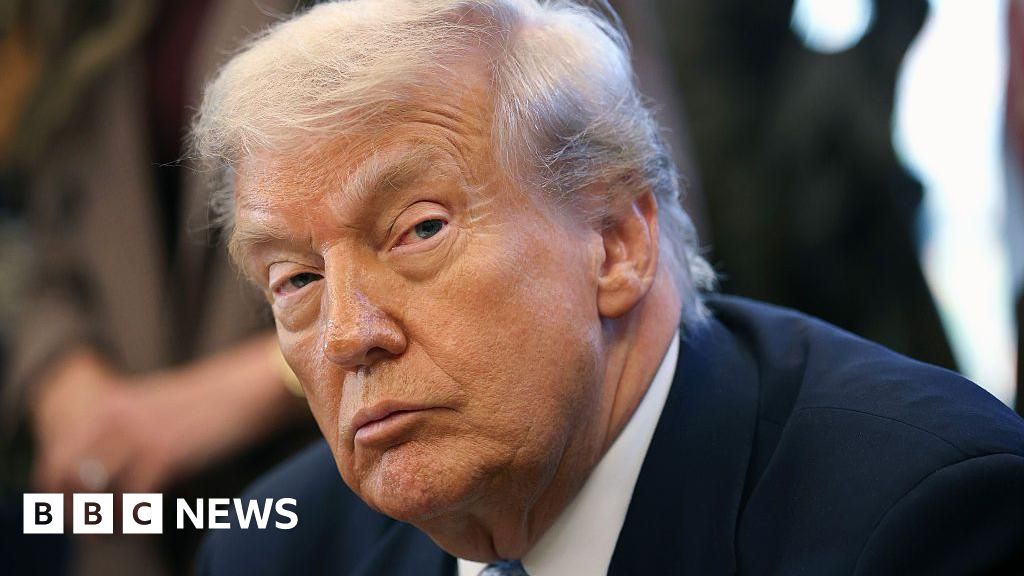
Trump's Controversial Airspace Declaration
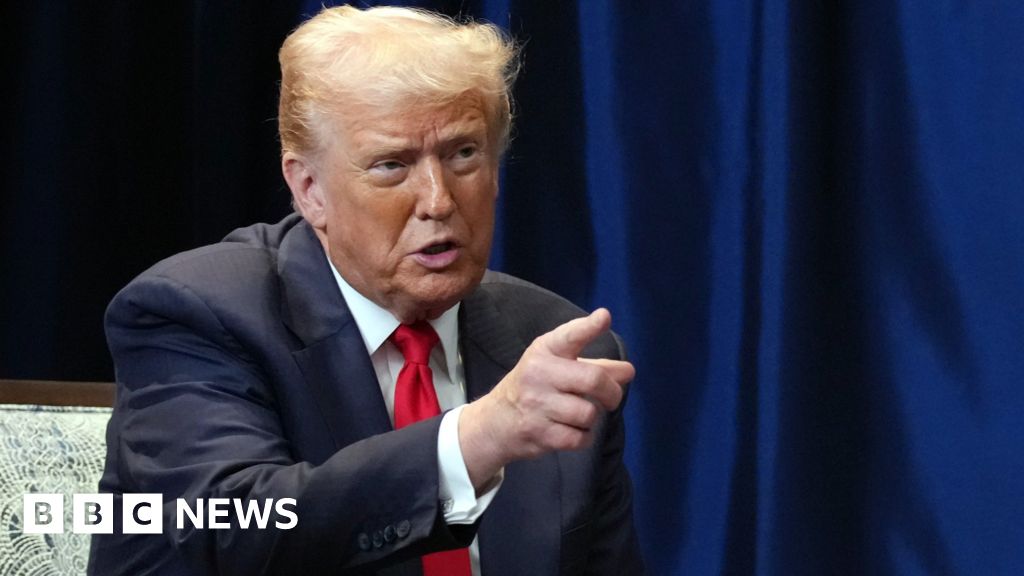
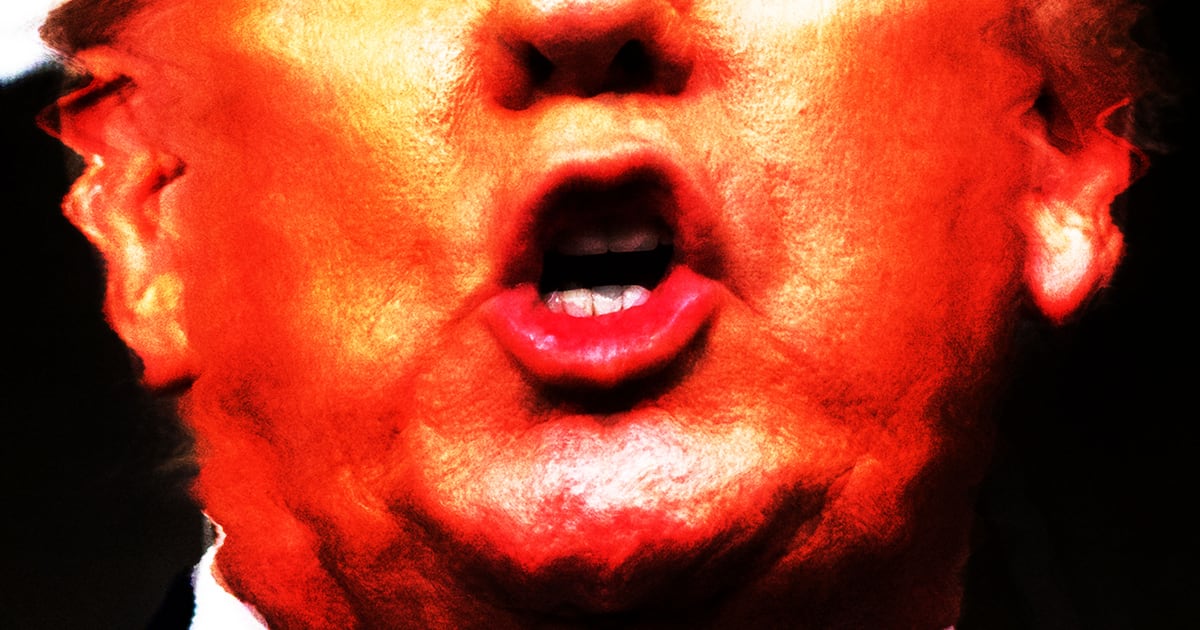
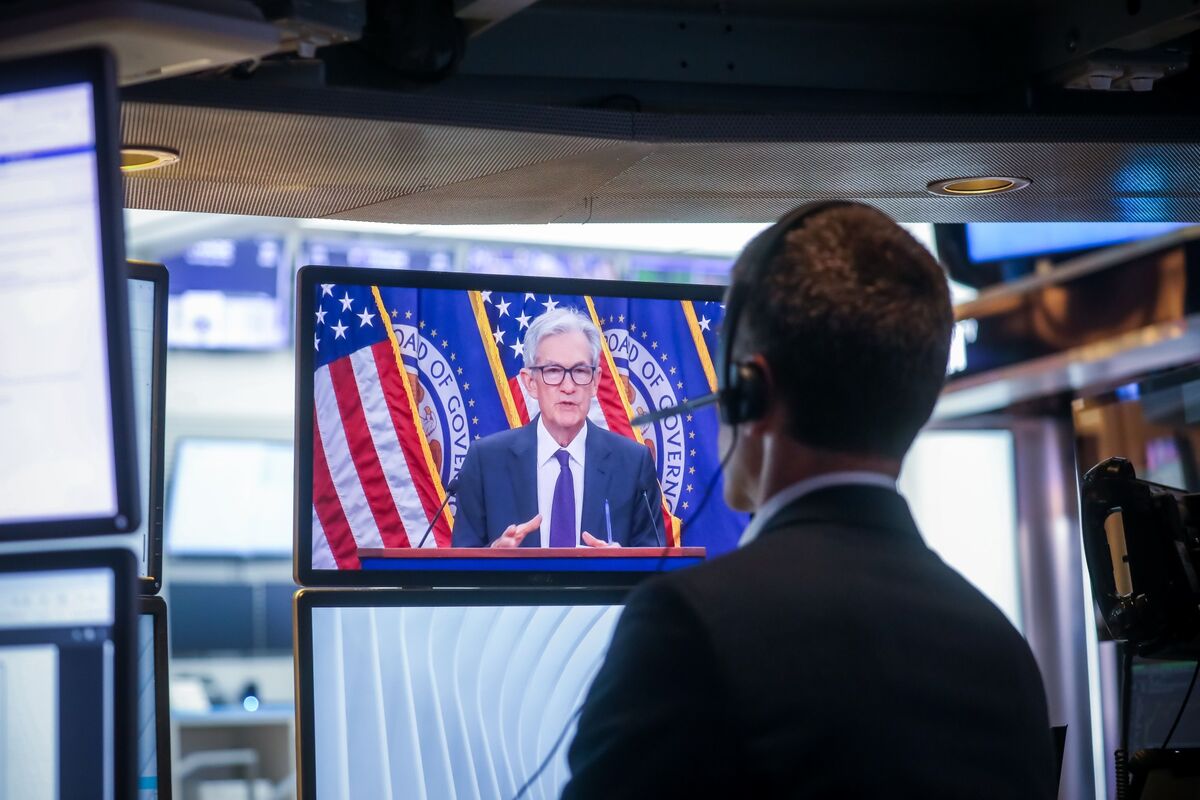
President Donald Trump declared on Saturday that the airspace "above and surrounding" Venezuela should be considered "closed in its entirety," directing his statement toward airlines, pilots, drug dealers, and human traffickers. This unprecedented assertion has sparked significant international controversy and raised questions about U.S. authority over foreign airspace.
Venezuela's Strong Response
The Venezuelan government swiftly condemned Trump's statement as a "colonialist threat" that violates international law and undermines the nation's sovereignty. Officials emphasized that no external authority possesses the power to interfere with or restrict international airspace usage. Venezuela argued that such statements constitute an explicit use of force prohibited by the United Nations Charter, representing a direct challenge to the country's territorial integrity and aeronautical security.
Practical Reality
While the U.S. cannot unilaterally close another nation's airspace, the Federal Aviation Administration has warned airlines to avoid Venezuelan airspace due to increased military activity. Despite Trump's declaration, flight tracking data shows planes continuing to operate in the region normally.
```About the People Mentioned
Donald Trump
Donald John Trump, born June 14, 1946, in Queens, New York, is an American businessman, media personality, and politician. He graduated from the University of Pennsylvania’s Wharton School in 1968 with a degree in economics. In 1971, he took over his family’s real estate business, renaming it the Trump Organization, through which he expanded into building and managing skyscrapers, hotels, casinos, and golf courses. Trump gained widespread fame as the host of the reality TV show *The Apprentice* from 2004 to 2015, which helped establish his public persona as a successful entrepreneur. Trump entered politics as a Republican and was elected the 45th president of the United States, serving from 2017 to 2021. His presidency was marked by significant policy actions including tax cuts, deregulation, the appointment of three Supreme Court justices, renegotiation of trade agreements (notably replacing NAFTA with the USMCA), and a focus on immigration control including border wall expansion. He withdrew the U.S. from international agreements such as the Paris Climate Accord and the Iran nuclear deal, and engaged in a trade war with China. His administration’s response to the COVID-19 pandemic was criticized for downplaying the virus’s severity. Trump was impeached twice by the House of Representatives—first in 2019 for abuse of power and obstruction, and again in 2021 for incitement of insurrection—but was acquitted by the Senate both times. After losing the 2020 election to Joe Biden, Trump challenged the results, culminating in the January 6, 2021, Capitol riot. He remains a central figure in American politics, having won the 2024 presidential election and returned as the 47th president in 2025, continuing to promote policies aimed at economic growth, border security, and military strength[1][2][3][4].
About the Organizations Mentioned
Federal Aviation Administration
The **Federal Aviation Administration (FAA)** is a U.S. government agency responsible for ensuring the safety, efficiency, and regulation of civil aviation and commercial space transportation within the United States and its surrounding international waters. Established originally as the Federal Aviation Agency in 1958, it became part of the Department of Transportation in 1967, adopting its current name[1][3]. The FAA’s core functions include regulating and overseeing air traffic control, pilot and technician certification, airport safety standards, and aircraft manufacturing and maintenance regulations. The agency manages air traffic for over 50,000 daily commercial and general aviation flights, ensuring safe and efficient navigation through the National Airspace System (NAS)[2][4]. It also develops and operates air traffic control and navigation systems used by both civil and military aircraft, showcasing its broad operational scope[1][3]. The FAA operates through five main lines of business: - Air Traffic Organization (ATO), managing air navigation services and control facilities such as towers and radar centers - Aviation Safety (AVS), responsible for certification of personnel and aircraft - Airports (ARP), overseeing national airport system planning and grants - Office of Commercial Space Transportation (AST), regulating commercial space launches and reentries - Security and Hazardous Materials Safety (ASH), focusing on risk reduction and infrastructure protection[4]. In addition to regulation, the FAA invests heavily in research and development, advancing aviation technology and safety systems, including aeromedical research and environmental programs addressing noise and pollution from aircraft[2][3]. Its mission emphasizes providing the safest, most efficient aerospace system globally, with a vision of integrating new technologies and users into aviation safely and innovatively[6]. Notable achievements include establishing stringent safety standards that have made U.S. airspace one of the safest worldwide and pioneering regulation of commercial space transportation, an emerging sector. The FAA’s commitment to innovation and safety continues to shape the future of aviation and aerospace, making it a central figure in both business and technolog
Venezuelan government
The **Venezuelan government** operates as the central authority of Venezuela, overseeing the nation’s political, economic, and social affairs. Since the late 1990s, it has been dominated by the United Socialist Party of Venezuela (PSUV), especially under the leadership of Nicolás Maduro, who succeeded Hugo Chávez. The government engages in legislative, executive, and regional governance, holding elections to appoint members of the National Assembly, state governors, and regional councils, though these elections have increasingly been criticized as undemocratic and manipulated to maintain authoritarian control[1][2][3]. Historically, Venezuela transitioned from a flawed democracy into an authoritarian regime over the past two decades. The Maduro administration has systematically eroded democratic institutions, marginalized opposition, and centralized power, particularly through constitutional reforms proposing a "Communal State" structure that bypasses traditional elected bodies and concentrates authority in local government units controlled by the ruling party[1][4]. This transformation has been accompanied by political repression, including arrests of opposition leaders and restrictions on political participation[1][6][7]. Key achievements claimed by the government include maintaining political control amid intense domestic and international pressure, and some economic stabilization efforts between 2021 and 2024, though these remain overshadowed by a severe humanitarian crisis marked by shortages of food, healthcare, and basic services affecting millions[4][8]. The government has also sustained alliances with countries like Russia, China, Cuba, and Turkey, which provide political and economic support, helping it evade U.S.-led sanctions targeting Venezuela’s oil sector and regime elites[5]. Currently, the Venezuelan government faces profound challenges: international condemnation for undemocratic elections—such as the 2025 parliamentary election widely viewed as a sham—and ongoing humanitarian emergencies. The political system remains heavily polarized, with opposition factions divided between boycott and participation strategies, complicating prospects for democratic renewal[1][2][3][9][10]. Notably, Venezuela’s political landscape is marke