U.S. Suspends All Asylum Decisions and Afghan Visas Amid Security Concerns

U.S. Suspends All Asylum Decisions and Afghan Visas
The U.S. government has halted all asylum decisions and paused visa issuance for Afghan nationals following a deadly shooting in Washington, D.C. involving a former Afghan soldier resettled under "Operation Allies Welcome." This unprecedented move was announced by USCIS Director Joseph B. Edlow, who emphasized the need for heightened vetting and security checks on all pending asylum cases to protect national safety.
Context and Government Response
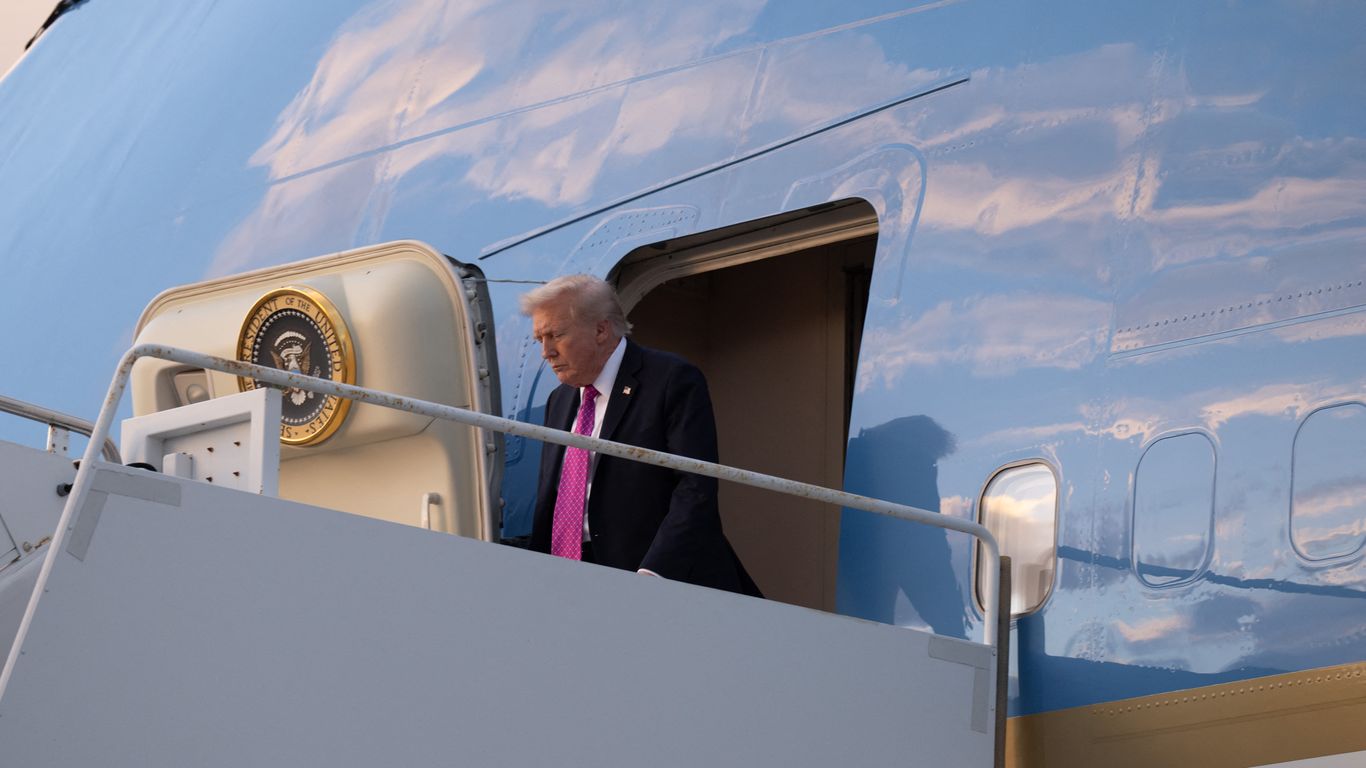
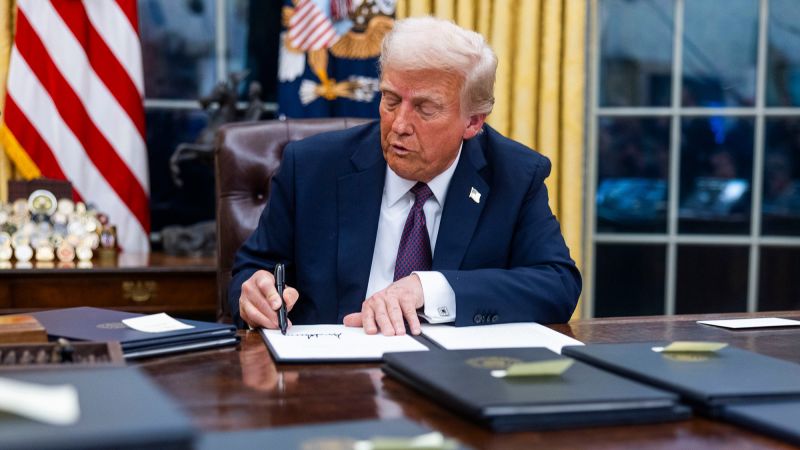
This decision comes shortly after President Donald Trump vowed to "permanently pause migration from all Third World Countries," framing the suspension as a security review. The State Department has instructed consular posts to stop printing Afghan visas, affecting about 100,000 Afghans in immigration pipelines, including Special Immigrant Visa applicants. The pause also impacts over 1.4 million asylum seekers nationwide, escalating concerns over immigration backlogs and potential legal challenges.
Implications and Controversy
Advocates warn this suspension could dismantle critical programs protecting U.S. allies and violate federal court orders. Despite this, officials argue the intensified scrutiny is essential to prevent future attacks and safeguard American communities during a period of heightened political pressure.
About the People Mentioned
Donald Trump
Donald John Trump, born June 14, 1946, in Queens, New York, is an American businessman, media personality, and politician. He graduated from the University of Pennsylvania’s Wharton School in 1968 with a degree in economics. In 1971, he took over his family’s real estate business, renaming it the Trump Organization, through which he expanded into building and managing skyscrapers, hotels, casinos, and golf courses. Trump gained widespread fame as the host of the reality TV show *The Apprentice* from 2004 to 2015, which helped establish his public persona as a successful entrepreneur. Trump entered politics as a Republican and was elected the 45th president of the United States, serving from 2017 to 2021. His presidency was marked by significant policy actions including tax cuts, deregulation, the appointment of three Supreme Court justices, renegotiation of trade agreements (notably replacing NAFTA with the USMCA), and a focus on immigration control including border wall expansion. He withdrew the U.S. from international agreements such as the Paris Climate Accord and the Iran nuclear deal, and engaged in a trade war with China. His administration’s response to the COVID-19 pandemic was criticized for downplaying the virus’s severity. Trump was impeached twice by the House of Representatives—first in 2019 for abuse of power and obstruction, and again in 2021 for incitement of insurrection—but was acquitted by the Senate both times. After losing the 2020 election to Joe Biden, Trump challenged the results, culminating in the January 6, 2021, Capitol riot. He remains a central figure in American politics, having won the 2024 presidential election and returned as the 47th president in 2025, continuing to promote policies aimed at economic growth, border security, and military strength[1][2][3][4].
About the Organizations Mentioned
U.S. government
The **U.S. government** is the national governing authority of the United States, structured by the U.S. Constitution into three coequal branches: **legislative**, **executive**, and **judicial**. This tripartite system ensures a balance of power through checks and balances, preventing any single branch from becoming too powerful[1][2]. Established in 1789, its foundational framework remains in continuous effect, guiding the federal government’s operations and authority across the nation and its territories[2]. The **legislative branch**, embodied by the bicameral Congress (House of Representatives and Senate), enacts laws, controls federal spending, and provides oversight of the executive branch[2]. The **executive branch**, led by the President and supported by the Vice President, Cabinet, and federal agencies, enforces laws, manages national defense, diplomacy, and domestic policy[1][4]. The **judicial branch**, headed by the Supreme Court and lower federal courts, interprets laws and their constitutionality, ensuring legal consistency and protecting civil rights[1][2]. Historically, the U.S. government has been pivotal in shaping modern democracy, pioneering a constitutional republic that enshrines freedoms such as speech, religion, and due process through the Bill of Rights[3]. Its achievements include establishing a stable political system, advancing technology and innovation through federal initiatives, and maintaining global leadership in economic and technological sectors. Currently, the U.S. government continues to evolve, adapting to contemporary challenges like cybersecurity, digital governance, and regulatory reforms impacting business and technology. It oversees large-scale federal programs, supports innovation ecosystems, and enforces regulations affecting technology markets and privacy[6]. Notably, its structure supports a dynamic interface between federal and state powers, alongside recognition of Indigenous tribal sovereignty[2]. In business and technology contexts, the U.S. government is a major regulator, market influencer, and funder of research, maintaining transparency and accountability through public resources like Go
USCIS
The United States Citizenship and Immigration Services (USCIS) is a key agency within the Department of Homeland Security (DHS) responsible for administering the nation’s immigration and naturalization system. USCIS oversees the adjudication of immigration petitions and applications, including visas, permanent residency (green cards), asylum requests, and citizenship. It provides essential services such as interviews, naturalization ceremonies, and case status updates through an extensive network of domestic and international offices[1][3][5]. USCIS was established in 2003, following the creation of DHS, as part of a major government reorganization to enhance immigration enforcement and service delivery. Unlike most federal agencies, USCIS is primarily funded by user fees collected through the Immigration Examinations Fee Account, with limited congressional appropriations, reflecting its operational model based on service fees rather than tax revenue[1]. A notable achievement of USCIS is its role in managing the complex U.S. immigration system under the Immigration and Nationality Act, which annually processes hundreds of thousands of immigrant petitions and naturalization applications. The agency has implemented digital tools such as an online case status checker and self-service forms to improve applicant interaction and transparency. It also schedules appointments and manages inquiries through its website, enhancing accessibility for applicants and petitioners worldwide[1][2]. Recently, USCIS’s authority expanded in 2025 when DHS created a class of special agent officers with enhanced law enforcement powers to investigate and prosecute immigration violations, reflecting a shift toward a more militarized enforcement posture within the agency[1]. USCIS operates within a complex legal and political environment, balancing its role in facilitating legal immigration and protecting national security. Its activities directly impact millions of immigrants and U.S. citizens, making it a critical agency for business, technology, and humanitarian interests alike.
State Department
The **U.S. Department of State** is the principal federal agency responsible for shaping and executing American foreign policy and diplomacy worldwide. Established in 1789 as the first executive department, it serves as the lead institution for conducting U.S. international relations, advising the President, negotiating treaties, and representing the country in global organizations such as the United Nations[2][3][6]. The department is headed by the Secretary of State, who acts as the President’s chief foreign policy advisor and top diplomat, currently Marco Rubio as of 2025[2]. The State Department's core mission is to **promote and protect U.S. interests abroad** by fostering peace and stability in critical regions, opening foreign markets to create American jobs, and addressing global challenges like climate change, terrorism, nuclear proliferation, human trafficking, and humanitarian crises[1][4]. It manages a vast network of embassies, consulates, and diplomatic missions worldwide, safeguarding American citizens overseas and facilitating international cooperation on economic, security, and environmental issues[5]. A key component closely linked to the State Department is the **U.S. Agency for International Development (USAID)**, created in 1961 to administer economic and humanitarian assistance to developing countries. USAID works to end extreme poverty, promote democracy, improve global health, food security, environmental sustainability, and humanitarian relief, aligning its programs with the State Department’s foreign policy goals[1]. With an annual budget of around $38.8 billion in fiscal year 2024, the State Department plays a critical role not only in diplomacy but also in advancing technological collaboration, international trade, and global health initiatives, making it highly relevant for business and technology sectors interested in geopolitical stability and international partnerships[3]. Notable programs include the Professional Fellows exchange, fostering cross-cultural professional development between U.S. and foreign leaders, highlighting the department’s role in building long-term global partnerships[2]. The State Department continues to adapt in an era of rapi