Witkoff and Kushner Unveil Revised Ukraine Peace Plan for Putin
Witkoff and Kushner Present Revised Ukraine Peace Plan to Putin
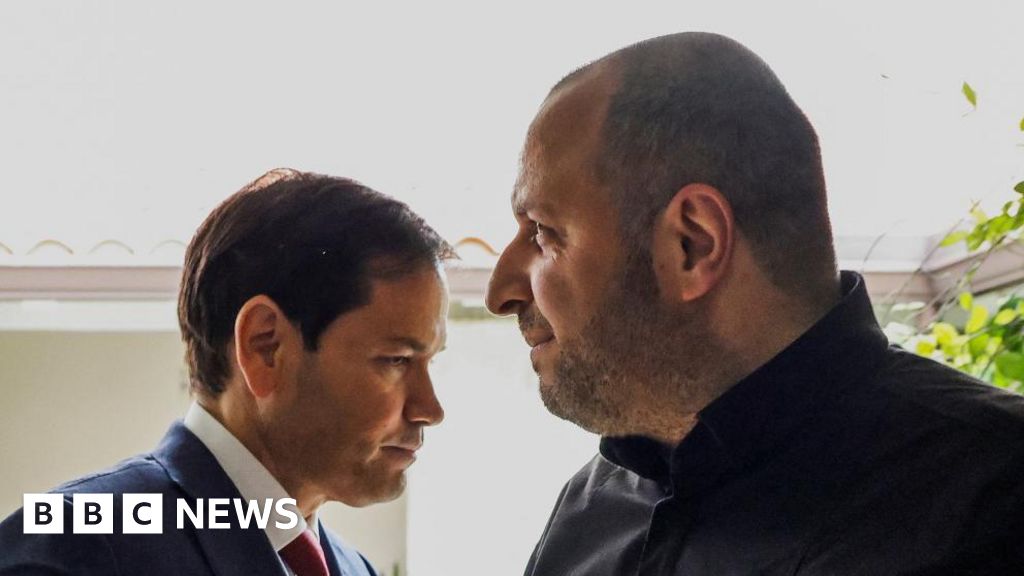
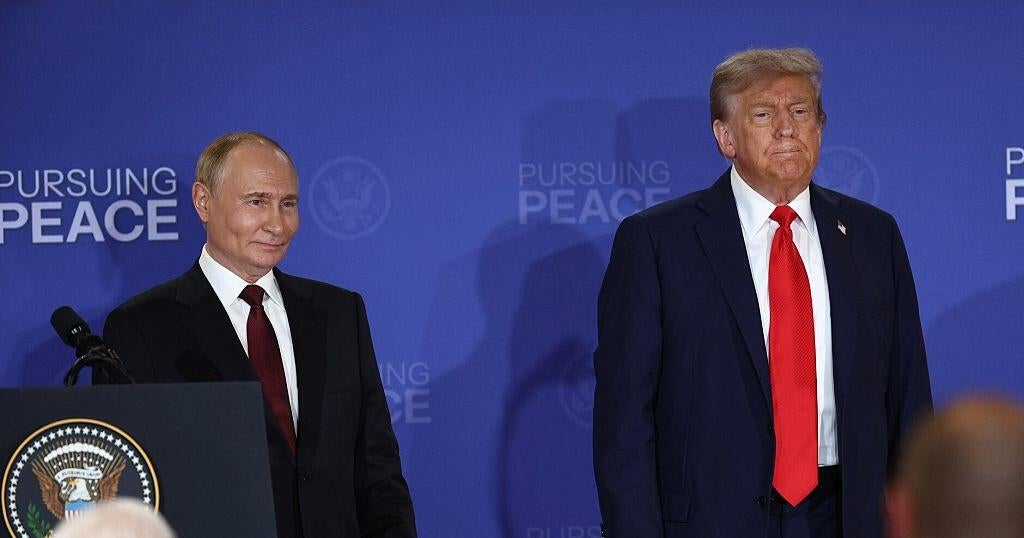
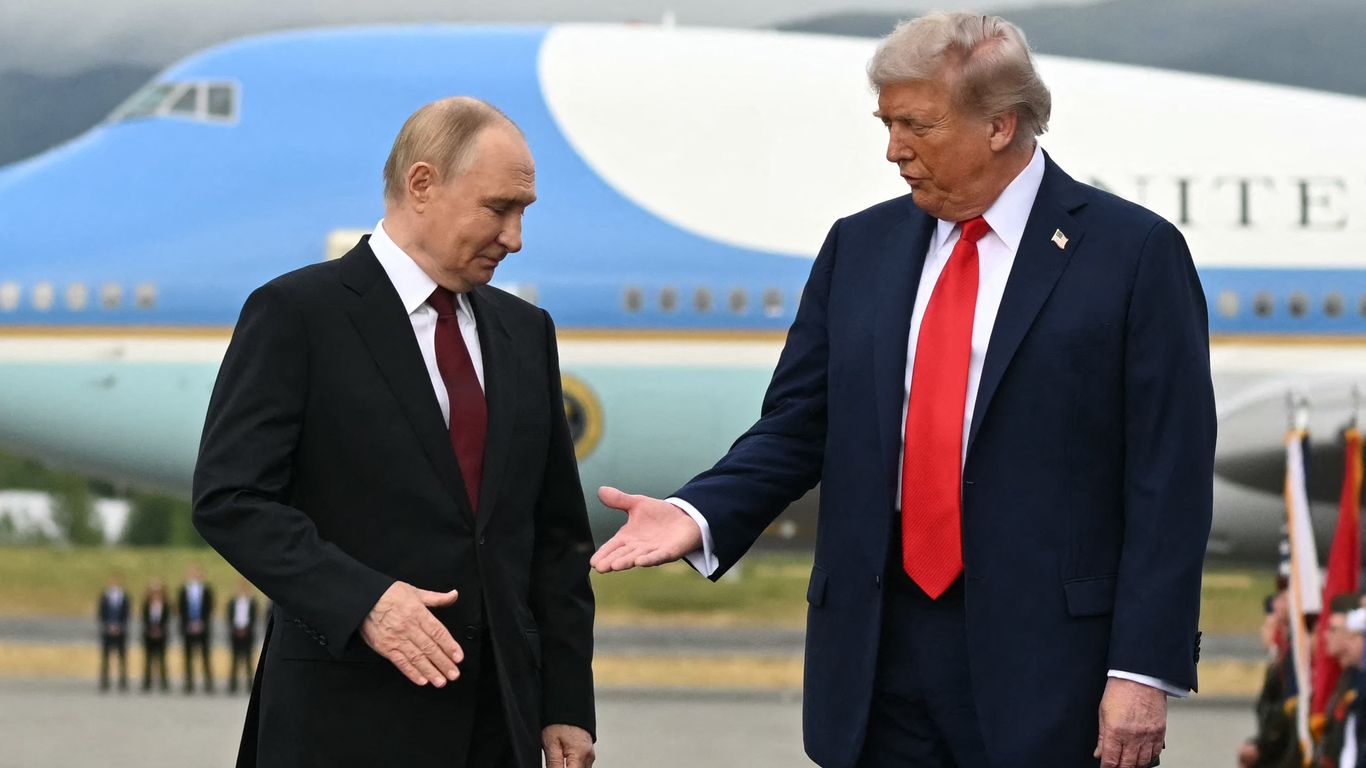
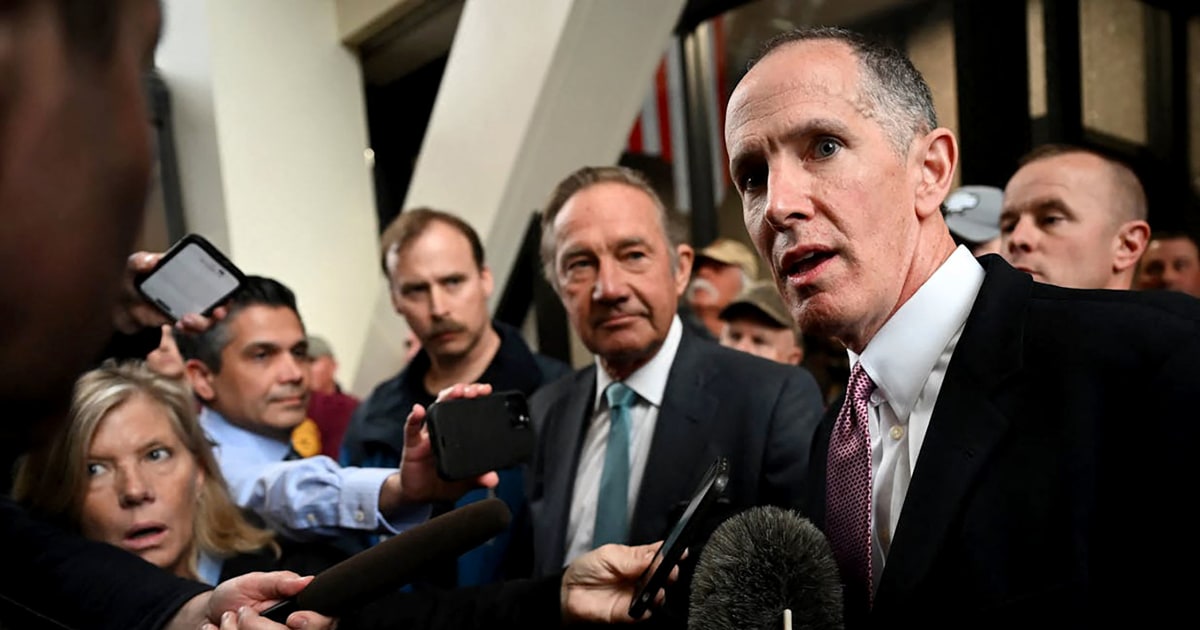
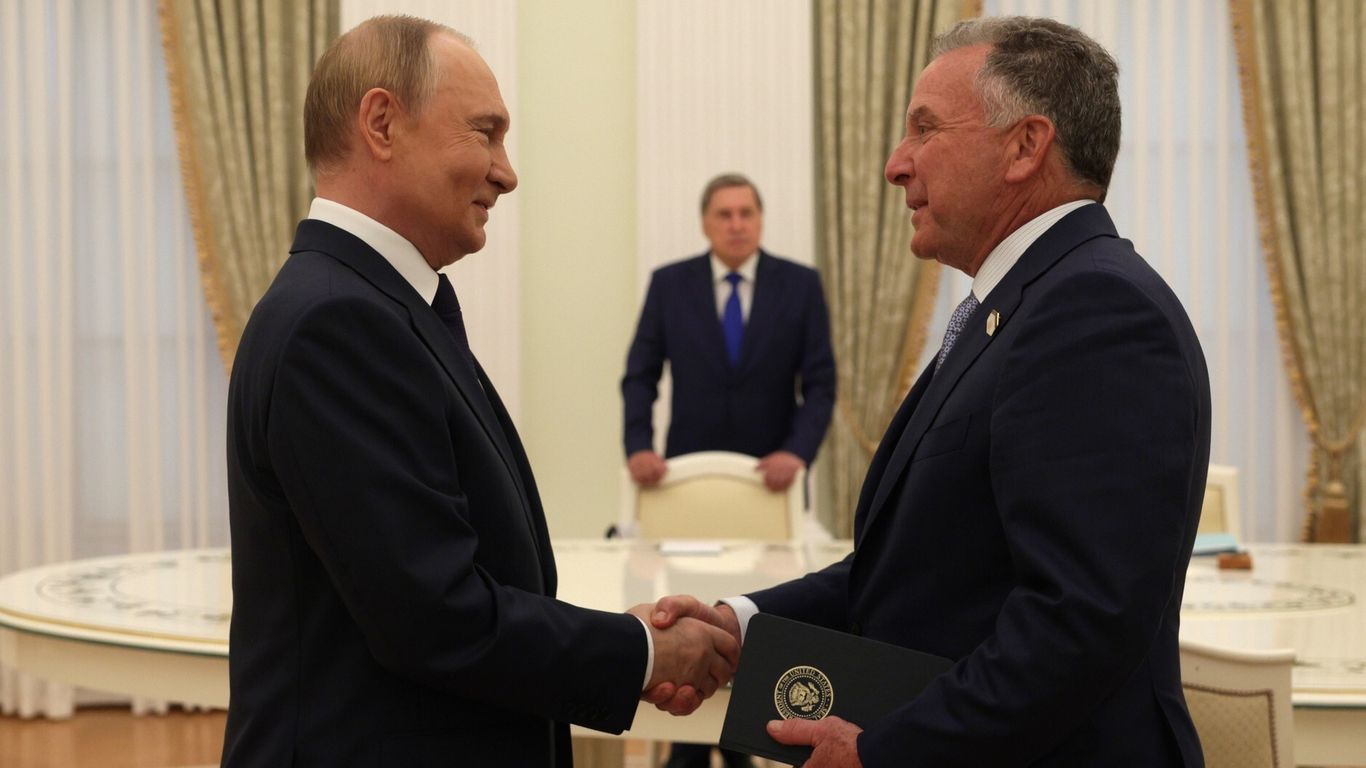
On December 2, 2025, U.S. special envoy Steve Witkoff and Jared Kushner met with Russian President Vladimir Putin in Moscow to discuss a revised American peace proposal aimed at ending the conflict in Ukraine. This initiative follows an earlier 28-point draft that faced criticism for favoring Russian demands and imposing difficult concessions on Ukraine. The updated plan, condensed to around 19 points, seeks to balance interests more acceptably for Ukraine while attempting to gain Moscow’s cooperation.
Negotiations and Challenges Ahead
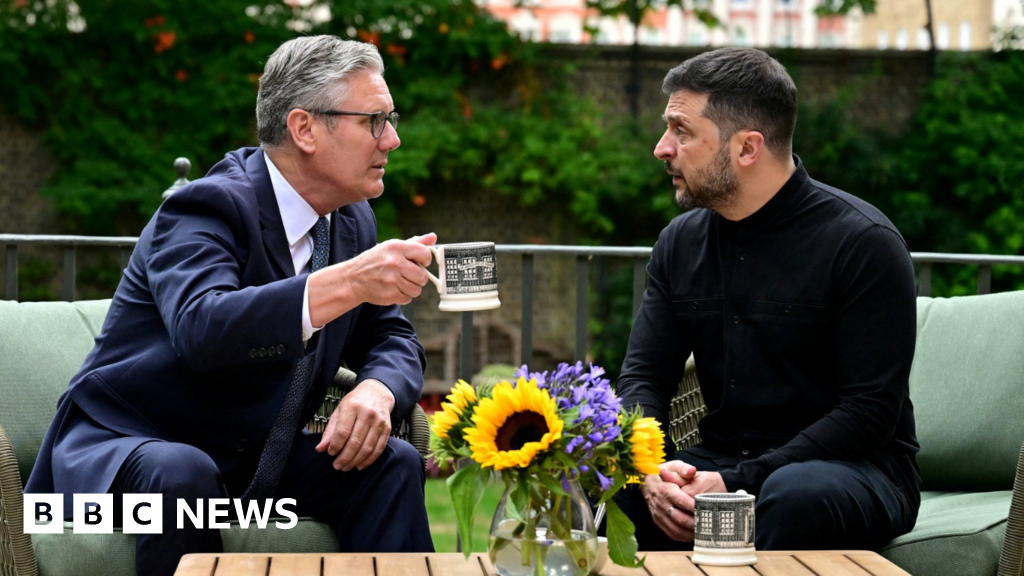
The talks lasted five hours and included discussions on territorial governance and security guarantees. Putin reiterated Russia’s intent to secure full control over the Donbas region, signaling ongoing military pressure if negotiations stall. Ukrainian President Zelensky described the revised plan as improved but still requiring further refinement. Witkoff and Kushner plan to continue diplomatic efforts in Europe, aiming to secure broader support and move closer to a sustainable ceasefire.
Implications for Regional Stability
This high-stakes diplomacy reflects a critical moment in a nearly four-year conflict that has reshaped Eastern Europe. Success could pivot the war toward resolution, but the sensitive territorial and military terms remain deeply contentious. The U.S. seeks a durable peace that safeguards Ukraine’s security while addressing Russian strategic concerns, a delicate balance with significant geopolitical consequences.
About the People Mentioned
Steve Witkoff
Steve Witkoff is an American real estate developer, investor, and attorney, born on March 15, 1957, in the Bronx, New York. He began his career as a real estate lawyer, working for prominent New York firms such as Dreyer & Traub and Rosenman & Colin, where he represented major developers and investors. In 1985, Witkoff co-founded Stellar Management with Laurence Gluck, acquiring and managing residential properties in New York City, particularly in Harlem, Washington Heights, and the Bronx. The firm later expanded into Manhattan office buildings, including the notable 33 Maiden Lane, which was leased to the Federal Reserve Bank of New York. In 1997, Witkoff founded the Witkoff Group, a privately held real estate company headquartered in New York City. Under his leadership, the Witkoff Group has financed, repositioned, and constructed more than 70 properties across major U.S. cities and internationally, with offices in New York, Los Angeles, and Miami. The company has been involved in high-profile acquisitions such as the Daily News Building, the Woolworth Building, and the Park Lane Hotel in Manhattan. Witkoff has also led major redevelopment projects, including the revitalization of the Shore Club in Miami Beach and the One High Line condominium in Manhattan. Witkoff is recognized for his expertise in real estate finance and development, and his company has partnered with international investors and sovereign wealth funds. In 2024, following the U.S. presidential election, Witkoff was named co-chair of President-elect Donald Trump’s inaugural committee and appointed as U.S. Special Envoy to the Middle East, focusing on diplomatic efforts related to the Israel-Hamas conflict and broader regional negotiations. Witkoff’s recent activities include high-value property transactions in Miami Beach and continued involvement in major real estate developments across the United States.
Jared Kushner
Jared Corey Kushner, born January 10, 1981, in Livingston, New Jersey, is an American businessman, investor, and former senior advisor to President Donald Trump. He is the son of real estate developer Charles Kushner and took over Kushner Companies after his father's legal troubles. Kushner built a notable career in real estate, including the 2007 purchase of 666 Fifth Avenue in Manhattan for $1.8 billion, and acquiring the New York Observer newspaper in 2006, where he served as publisher. Kushner married Ivanka Trump in 2009, linking him to the Trump family. He played a significant role in Donald Trump's 2016 presidential campaign, managing digital strategy and social media, and was instrumental in creating the campaign’s proprietary voter database. In January 2017, Kushner was appointed senior advisor to President Trump, leading initiatives such as criminal justice reform, notably helping pass the First Step Act in 2018, and spearheading efforts in the Middle East peace process, authoring the Trump peace plan and facilitating the Abraham Accords, which normalized relations between Israel and several Arab states in 2020. During his White House tenure, Kushner directed the Office of American Innovation, aiming to apply private-sector practices to government operations. His involvement in the 2016 campaign and subsequent contacts with Russian officials drew scrutiny during investigations into election interference, though he denied any wrongdoing. After leaving the White House in 2021, Kushner moved to Florida and began private equity ventures. In 2022, he published a memoir titled *Breaking History: A White House Memoir*. He and Ivanka Trump have since focused on their family and business interests, notably stepping back from active roles in Trump's 2024 presidential campaign. Kushner remains relevant as a figure blending political influence with business and diplomatic engagements, including recent involvement in Middle East-related initiatives[1][2][4][7].
Vladimir Putin
Vladimir Putin is the current President of Russia, a position he has held for multiple terms since 2000, with a brief interlude as Prime Minister from 2008 to 2012[1][3]. Born in Leningrad (now Saint Petersburg) in 1952, Putin began his career in the Soviet Union’s security services, joining the KGB in 1975 and rising to the rank of Lieutenant Colonel by the time he left in 1991, following postings in East Germany and Leningrad[4]. After the Soviet Union’s collapse, he transitioned into politics, serving as an adviser to Saint Petersburg Mayor Anatoly Sobchak and later moving to Moscow, where he held various administrative roles under President Boris Yeltsin[6]. Putin was appointed Prime Minister in August 1999 and became acting President when Yeltsin unexpectedly resigned that December[3][6]. He won his first presidential election in March 2000, promising to stabilize Russia’s economy and political system after the tumultuous 1990s[3][7]. During his initial terms, he centralized power, reasserted federal control over Russia’s regions, and curtailed the influence of the country’s oligarchs through legal and economic measures[7]. Putin was re-elected in 2004 but, due to constitutional term limits, stepped aside in 2008, becoming Prime Minister under his successor Dmitry Medvedev, while retaining significant influence[3]. Constitutional amendments later extended presidential terms, and Putin returned to the presidency in 2012[1]. Putin’s time in office has been marked by assertive foreign policy, including military interventions in Syria in support of President Bashar al-Assad and the 2014 annexation of Crimea, which led to international sanctions[1]. Domestically, his tenure has seen increased state control over media, the suppression of political opposition, and constitutional changes consolidating executive authority[1]. In 2022, Russia’s full-scale invasion of Ukraine triggered a major international crisis, further isolating Russia from the West and prompting widespread condemnation[1]. As of 2025, Putin remains a dominant figure in Russian politics, having secured another term in office through constitutional changes that allow him to potentially remain president until 2036[1]. His leadership continues to shape Russia’s domestic trajectory and its role in global affairs, amid ongoing conflict in Ukraine and strained relations with NATO and Western countries[1].
Volodymyr Zelensky
Volodymyr Zelensky is a Ukrainian politician and former comedian who was born on January 25, 1978, in Kryvyi Rih, Ukraine. Prior to his political career, he gained fame as an actor and comedian, notably for his role in the TV series "Servant of the People," where he portrayed a teacher who becomes president. This role ironically foreshadowed his future as the sixth president of Ukraine, a position he assumed on May 20, 2019, after winning the presidential election on April 21, 2019[1][2][4]. Zelensky's presidency has been marked by significant challenges, including the COVID-19 pandemic and escalating tensions with Russia. His leadership during these crises has been notable, particularly his response to the Russian invasion of Ukraine in February 2022. He became an international symbol of resistance, refusing evacuation offers and rallying global support for Ukraine. Under his leadership, Ukraine has received substantial international military and financial aid[1][3]. One of Zelensky's key achievements is his ability to unite Ukrainians and communicate effectively with the international community. His presidency has been recognized globally, with Time Magazine naming him Person of the Year in 2022 for his leadership during the Russian invasion[1][3]. Despite lacking prior political experience, Zelensky has demonstrated resilience and strategic communication skills, which have been crucial in navigating Ukraine through its most challenging moments. Currently, Zelensky remains a central figure in international politics, especially in the context of the ongoing conflict with Russia. His commitment to defending Ukraine's sovereignty has garnered widespread support, both domestically and internationally. Zelensky is married to Olena Zelenska and has two children, balancing his public duties with family life[1][4].
About the Organizations Mentioned
United States
The **United States** is a federal republic and a global superpower, playing a leading role in economics, military strength, technology, and governance. It is a nation of approximately 348 million people as of 2025, characterized by its diverse population and dynamic economy[8][6]. Founded in 1776 following independence from British rule, the U.S. rapidly evolved into a major world power, especially after World War II, when its technological and economic investments solidified its global dominance[4]. Today, it remains the world’s preeminent military power, with 76% of Americans recognizing this status, while about half view it as the leading economic power globally, though China is seen as a rising competitor[2][3]. The U.S. government operates through a complex system that manages federal finances, taxation, social welfare programs, and trade policies. Recent legislative changes, such as the 2017 Tax Cuts and Jobs Act and the 2025 One Big Beautiful Bill Act, have shaped the tax landscape to influence economic growth, labor markets, and federal revenue[1]. Despite challenges like rising federal deficits projected to reach 6.9% of GDP by 2027, consumer spending remains resilient, and business investment is expected to grow steadily in 2025[5]. In governance, the U.S. is rated "Free" with a score of 84/100 by Freedom House, though concerns about democratic erosion and partisan conflicts persist[6]. Public trust and satisfaction with government services fluctuate, reflecting ongoing debates about policy effectiveness and institutional competence[7]. Technologically, the U.S. maintains a critical edge, underpinning its economic and geopolitical power. Experts warn, however, that technological dominance is not guaranteed indefinitely, emphasizing the need for adaptive policies and international cooperation to sustain leadership in innovation and global affairs[4]. Overall, the United States remains a pivotal force in global business, technology, and politics, balancing historic strengths with contemporary challenges in
Russia
Russia, officially known as the Russian Federation, is not an organization but a sovereign state and the largest country in the world by land area, spanning Eastern Europe and northern Asia. With a population of nearly 144 million as of 2025, Russia ranks ninth globally by population and is characterized by significant ethnic diversity, with over 80% identifying as ethnic Russians and numerous minority groups contributing to its cultural tapestry[4]. The capital, Moscow, is a major global city and the country’s political, economic, and technological hub. ## Historical Overview Russia’s history is marked by its transformation from the Tsarist Empire to the Soviet Union and, after its dissolution in 1991, to the present-day Russian Federation. The post-Soviet era saw Russia’s integration into the global economy, though it retained a centralized political system with power concentrated in the presidency[7]. The country’s economy, historically resource-based, relies heavily on oil, gas, and minerals, but has also developed significant industrial, technological, and military sectors. ## Economic Profile and Key Achievements Russia’s economy is the world’s twelfth-largest consumer market, with about 70% of GDP driven by domestic consumption[1]. It has a “very high” Human Development Index ranking and boasts the fifth-highest number of billionaires globally, though income inequality and regional disparities remain pronounced[1]. Major achievements include surviving extensive Western sanctions after the 2022 invasion of Ukraine, maintaining economic stability through increased military spending, and pivoting energy exports to Asia[1][5]. The country has also played a leading role in the BRICS bloc, advocating for reforms in the international financial system and promoting technological innovation among developing economies[6]. ## Current Status and Challenges As of late 2025, Russia’s economy is experiencing a pronounced slowdown, with GDP growth cooling to around 1% after robust expansion in 2023–2024[2][3]. High military expenditure (