Alphabet's SpaceX Boost Drives Billion-Dollar Valuation
Alphabet's SpaceX Boost
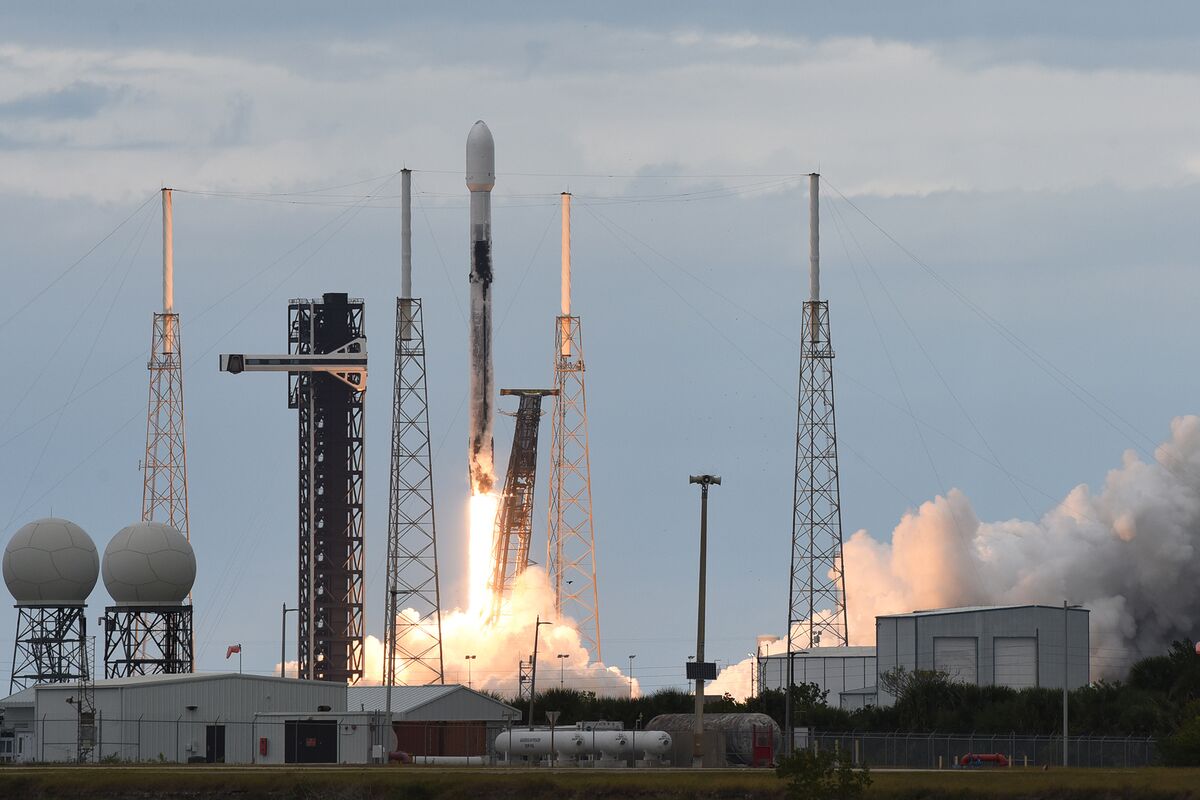
Alphabet Inc. stands to gain significantly from SpaceX's latest tender offer, valuing Elon Musk's space venture at around $800 billion. Shares sold internally at $421 each mark a sharp rise from prior deals, lifting the book value of Google's longstanding stake acquired in 2015 alongside Fidelity for about 10% ownership.[1][2]
Paper Gains in Action
This isn't Alphabet's first windfall. Earlier this year, a similar revaluation at $350 billion triggered an $8 billion unrealized gain, propelling first-quarter net income past analyst forecasts. Such adjustments appear as gains on non-marketable equity securities, providing non-cash boosts to earnings without operational changes.[1][2][3]
Investor Implications
With Alphabet withholding specifics on private holdings, eyes turn to its next earnings for another profit surge. This underscores the value of strategic investments in high-growth firms like SpaceX, blending tech prowess with space innovation to enhance Alphabet's financial profile amid AI and cloud dominance.[2][4]
About the People Mentioned
Elon Musk
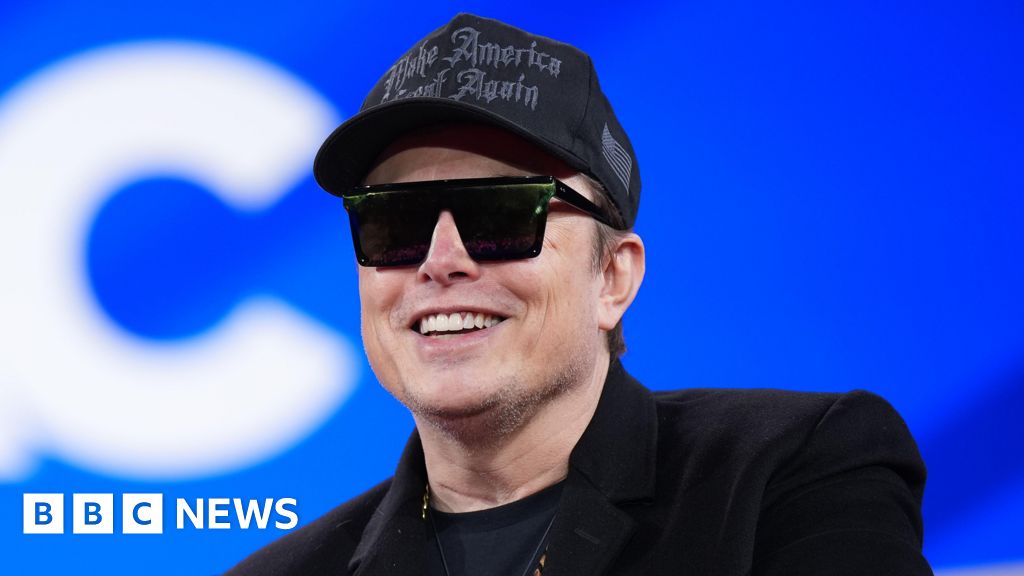
Elon Reeve Musk, born on June 28, 1971, in Pretoria, South Africa, is a prominent entrepreneur and business magnate known for founding and leading several transformative technology companies. He holds dual citizenship in Canada and the United States and earned bachelor's degrees in physics and economics from the University of Pennsylvania in 1997. Musk began his entrepreneurial career in the 1990s by co-founding Zip2, a software company, and later X.com, which evolved into PayPal, an online payment system acquired by eBay in 2002. In 2002, Musk founded SpaceX, a pioneering aerospace manufacturer and space transport services company, where he serves as CEO and chief engineer. SpaceX is notable for its advancements in reusable rocket technology and commercial spaceflight. In 2004, he joined Tesla Motors as an early investor and took on the roles of CEO and product architect in 2008, driving the company to the forefront of electric vehicle manufacturing. Musk also co-founded Neuralink in 2016, focusing on neurotechnology, and founded The Boring Company in 2017, which develops tunneling and infrastructure projects. In 2015, Musk co-founded OpenAI to promote artificial intelligence research but later left due to differences in vision, subsequently founding xAI. In 2022, he acquired the social media platform Twitter, rebranding it as X in 2023, and has been involved in various business and political activities, including a brief advisory role in the Trump administration's Department of Government Efficiency in early 2025. Musk is recognized as one of the wealthiest individuals globally, with an estimated net worth of $500 billion as of October 2025. His career is marked by significant influence across sectors including space exploration, electric vehicles, AI, social media, and infrastructure development, with ongoing legal and regulatory scrutiny related to his business practices and investments. He is also known for his complex personal life, including fathering 14 children[1][2][3].
About the Organizations Mentioned
Alphabet Inc.
**Alphabet Inc.** is an American multinational technology conglomerate and holding company, primarily known as the parent of Google, overseeing diverse subsidiaries in search, AI, healthcare, autonomous vehicles, and more.[1][2][6] Founded by Stanford Ph.D. students **Larry Page** and **Sergey Brin**, Alphabet traces its roots to 1995 when the duo met and began developing a superior search engine, initially called Backrub. They incorporated Google on September 4, 1998, in a Menlo Park garage with $100,000 from Sun Microsystems co-founder Andy Bechtolsheim, kickstarting a revolution in information retrieval.[1][3][2] Google quickly expanded, launching hits like Google Maps (2005), Android (2007), Chrome (2008), and YouTube, while moving to its Mountain View "Googleplex" headquarters in 1999.[1][2][4] A pivotal shift occurred on October 2, 2015, when Page and Brin restructured Google into **Alphabet Inc.**, inspired by models like Berkshire Hathaway. This created a leaner holding company, freeing Google to focus on core internet services (search, ads, YouTube, Cloud) while "moonshot" bets like Waymo (self-driving cars), Verily (healthcare), Calico (biotech), DeepMind (AI), and Wing (drone delivery) gained autonomy and transparency for investors.[1][3][4][6] Key achievements include DeepMind's AlphaGo defeating Go champion Lee Sedol in 2016, showcasing AI prowess, and Wing's 2019 FAA approval as the first drone delivery service.[1][6] Today, Alphabet ranks among the world's largest firms with a ~$2 trillion market cap, led by CEO **Sundar Pichai** since December 2018 after Page and Brin stepped back.[3][4] Google dominates search with the largest market share as o
SpaceX
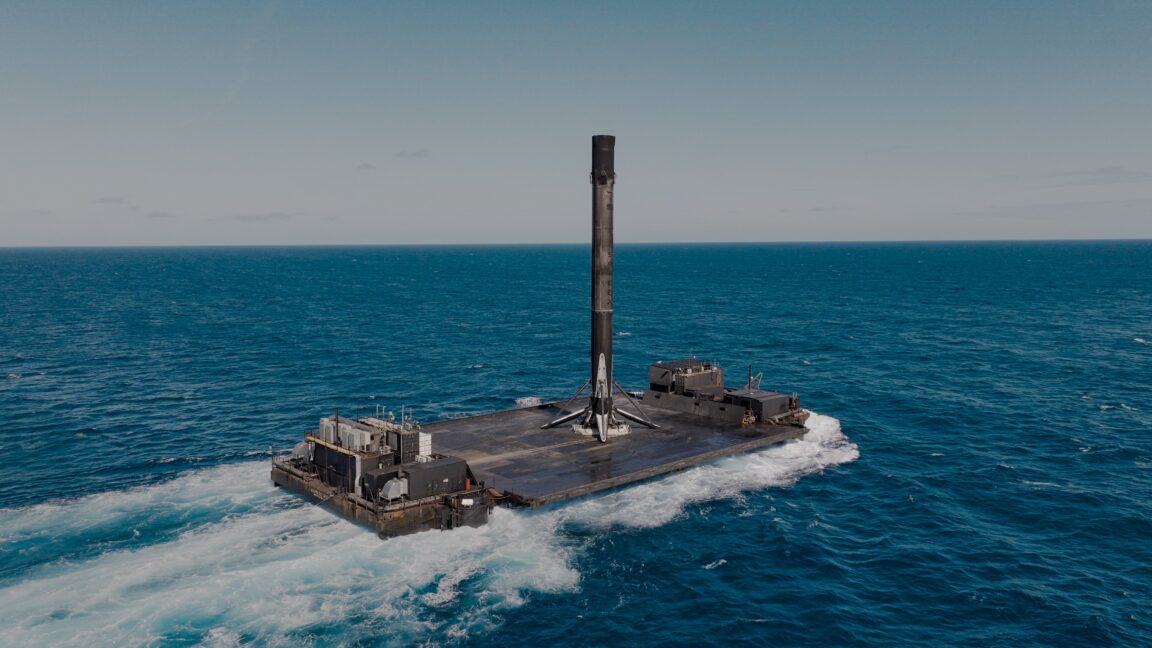
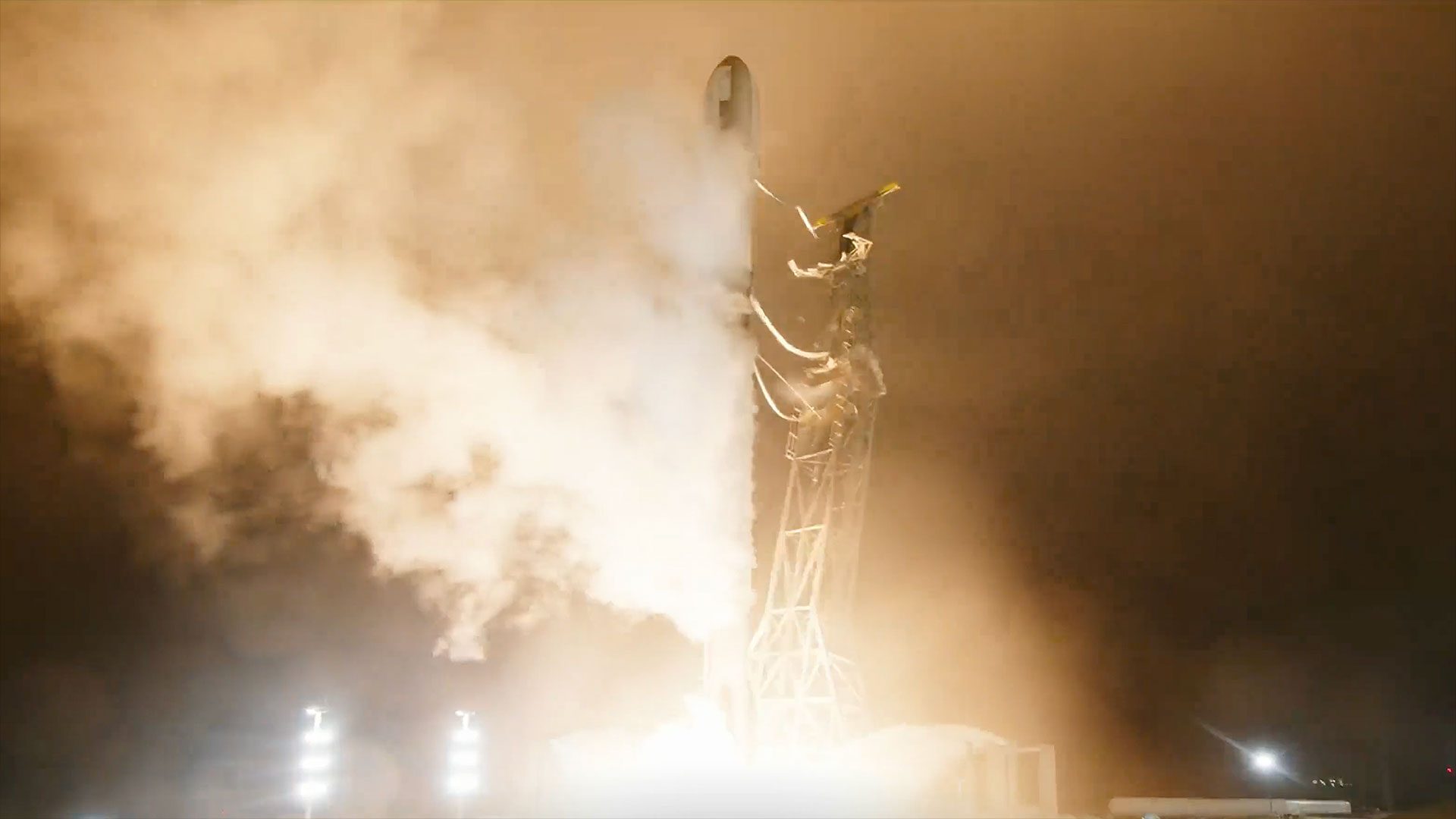
SpaceX is a private aerospace manufacturer and space transportation company founded in 2002 by Elon Musk with the mission to revolutionize space technology and enable human life to become multiplanetary[3]. It designs, manufactures, and launches advanced rockets and spacecraft, pioneering reusable rocket technology to dramatically reduce the cost of access to space. One of SpaceX’s key achievements includes the development and operational success of the Falcon 9 and Falcon Heavy rockets, both featuring reusable first-stage boosters. This reusability has significantly lowered launch costs and increased reliability, enabling frequent commercial, scientific, and government missions. SpaceX has launched over 95 national security missions with these rockets, demonstrating maturity and trust from the U.S. Space Force and other agencies[2]. Another major milestone is the Starlink satellite constellation, with nearly 6,900 satellites currently in orbit as of 2025. Starlink aims to provide global broadband internet service, especially in underserved regions, making it one of the largest satellite constellations in history[1]. This ambitious project also serves as a revenue stream to fund SpaceX’s broader goals. Looking ahead, SpaceX is developing Starship, a next-generation fully and rapidly reusable super heavy-lift launch system designed to carry large payloads and humans to the Moon, Mars, and beyond. Elon Musk envisions Starship enabling mass transport to Mars, with the potential to launch multiple times a day, dramatically increasing total mass sent to orbit annually, far surpassing all previous space launch capabilities combined[1][2]. Pending environmental reviews, Starship’s first launch from Florida’s LC-39A is planned for late 2025[2]. Despite these advances, SpaceX remains privately held, with limited public insight into its financial health. Questions persist around the profitability of Falcon launches, Starlink operations, and future Starship missions, especially given the enormous funding required for Mars colonization[1]. Nonetheless, SpaceX continues to inspire both enthusiasm and debate in the business and technology
Google, a subsidiary of Alphabet Inc., is a global technology leader primarily known for its internet-related products and services, including its dominant search engine, advertising platforms, cloud computing, software, and hardware offerings. Founded in 1998 by Larry Page and Sergey Brin, Google has evolved from a simple search engine into a diversified tech giant with significant influence across multiple sectors[2][8]. The company’s core business revolves around Google Services, which includes Search, YouTube, Android, Chrome, Google Maps, Google Play, and advertising. Its advertising business remains the largest revenue driver, underpinning ambitious investments in emerging technologies such as artificial intelligence (AI) and cloud computing. Google Cloud, a major growth segment, offers infrastructure, platform services, and enterprise tools like Google Workspace, providing AI-powered solutions for data analytics, cybersecurity, and collaboration[2]. Google has consistently pioneered innovations in AI, demonstrated recently at Google I/O 2025, where it showcased advances in AI-powered search and personalization, emphasizing local discovery and smarter user experiences. AI integration also reshapes local business visibility through enhancements in the Google Business Profile, enabling businesses to better engage customers with AI-driven communication and search optimization[3][5][6]. Financially, Alphabet crossed a landmark $3 trillion market capitalization in September 2025, joining a select group of tech giants due to robust revenue growth driven by AI, resilient advertising, and expanding cloud services. This milestone reflects Google’s strategic balance between its dominant ads engine and scaling innovative bets[1]. Culturally, Google in 2025 maintains its commitment to innovation, openness, and user focus while adapting to business realities. It remains a top employer, known for fostering employee empowerment and evolving workplace policies to attract and retain talent, marking its maturity as a global tech leader with over 150,000 employees[4]. In summary, Google represents a transformative force in technology and business, blending AI-driven innovation, dominant market presence, and cultural adaptability to shap
Fidelity
**Fidelity Investments** is a privately held financial services powerhouse headquartered in Boston, Massachusetts, offering mutual funds, brokerage, retirement plans like 401(k)s, wealth management, and innovative products such as digital assets.[3][4][6] With a bold focus on growth-oriented investing and customer innovation, it manages trillions in assets for over 40 million clients worldwide.[4][6] Founded in 1946 by Edward C. Johnson II as Fidelity Management & Research to advise the existing Fidelity Fund (launched 1930), the firm quickly differentiated itself by prioritizing high-potential stocks over conservative blue-chips.[1][3][5][7] The 1950s saw investments in breakout companies like Xerox and Polaroid via Fidelity Capital.[4] The 1960s boom brought the iconic **Magellan Fund** in 1962, which Peter Lynch grew from $18 million to $14 billion by 1990, making it the world's largest equity fund.[1][3][5] Pioneering moves included the first check-writing money market fund (1974), toll-free mutual fund sales, same-day trading, and 24/7 voice-activated info.[1][3][7] Expansion accelerated in the 1980s with 401(k) plans, retail centers, and FundsNetwork for third-party funds (1989).[3] Fidelity International, started in 1969, went independent in 1980.[2] Today, employing ~77,000 people, it oversees ~$9.9 trillion in assets (as of 2023), leads in retirement services, and pushes boundaries with Fidelity Digital Assets for crypto and zero-expense-ratio ZERO Funds.[4][6][7] Key achievements include industry-firsts in accessibility and tech—like in-house servicing (1969) and early computing—driving its status as a top asset manager.[1][7] Family-led across generation