American Skaters Miss Gold Amid Judging Controversy at the 2026 Milan Winter Olympics

American Skaters Miss Gold Amid Judging Controversy
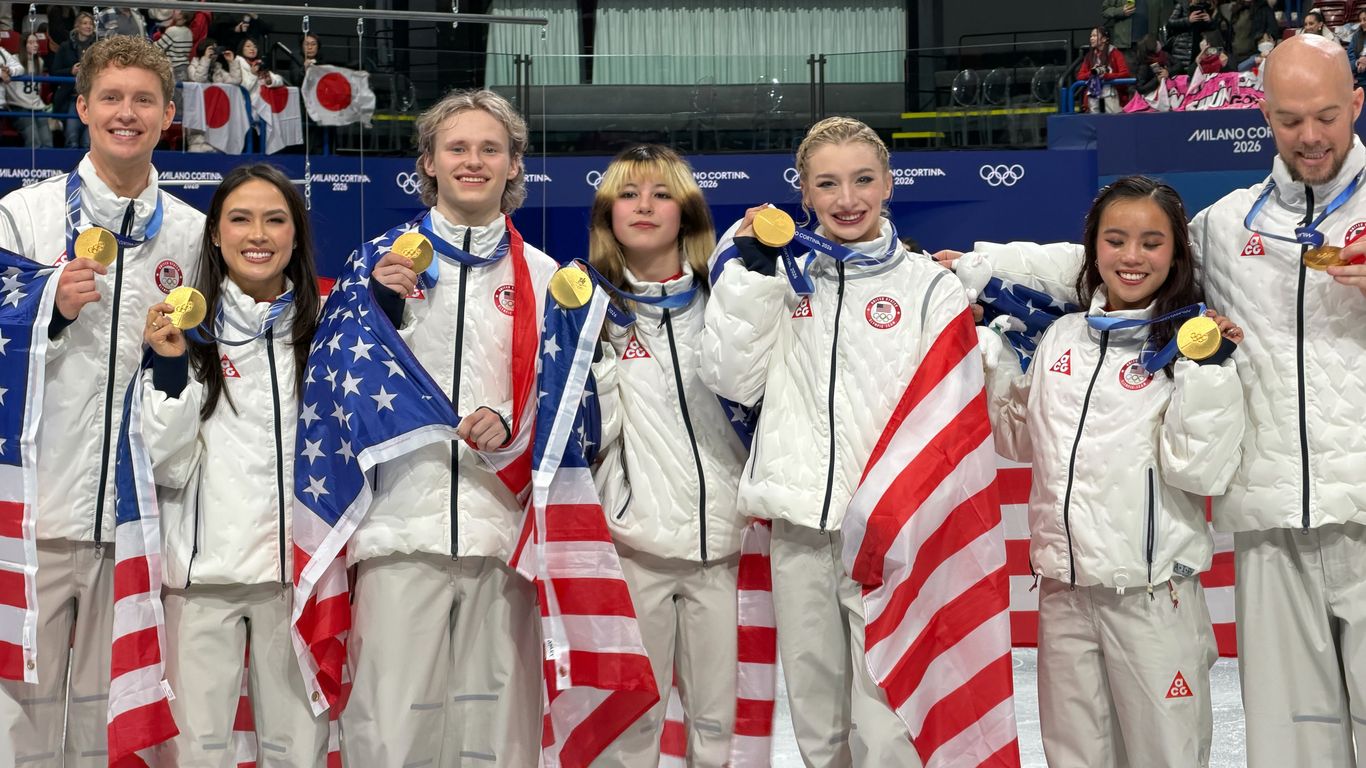
Madison Chock and Evan Bates delivered what they believed was their championship performance at the 2026 Winter Olympics ice dancing competition in Milan. The American duo secured the silver medal after finishing just 0.43 points behind France's Laurence Fournier Beaudry and Guillaume Cizeron. Despite five of nine judges scoring them higher than the French team, a controversial score from French judge Jezabel Dabouis proved decisive, favoring the home nation by nearly eight points in the free dance.
Questioning the Judging Process
Chock has called for increased transparency and thorough vetting of judges to ensure fairness. She emphasized that skaters deserve judges performing at their highest level. The International Skating Union defended the scoring, stating that varied judge scores are normal. However, over 14,000 people signed a petition requesting an investigation into the controversial results.
Looking Forward
The couple indicated they would consider filing an appeal. Earlier in the Olympics, Chock and Bates claimed gold in team figure skating, demonstrating their competitive caliber.
```About the Organizations Mentioned
International Skating Union
```html <!DOCTYPE html> <html lang="en"> <head> <meta charset="UTF-8"> <meta name="viewport" content="width=device-width, initial-scale=1.0"> <title>International Skating Union: Pioneering Winter Sports Excellence</title> <style> body { font-family: Arial, sans-serif; line-height: 1.6; max-width: 800px; margin: 0 auto; padding: 20px; } h1 { color: #1e3a8a; } h2 { color: #0f172a; } p { margin-bottom: 1em; } </style> </head> <body> <h1>International Skating Union: The Backbone of Global Ice Skating</h1> <p>Founded in 1892 in Scheveningen, Netherlands, the <strong>International Skating Union (ISU)</strong> stands as the world's oldest winter sports federation, governing figure skating, speed skating, short track speed skating, and synchronized skating across nearly 80 countries with over 100 member federations.[1][2][5]</p> <h2>Rich Historical Foundations</h2> <p>Emerging from informal 19th-century competitions—like the first speed skating event in Norway (1863) and figure skating in Vienna (1882)—the ISU unified rules at its inaugural congress, attended by 15 European delegates. It expanded globally with Canada's 1894 membership and focused on amateurs by 1895, hosting the first World Championships in 1896.[1][2][3] Despite world wars delaying celebrations, it marked its centennial in 1991.[2]</p> <h2>Key Achievements and Olympic Legacy</h2> <p>The ISU pioneered world and European championships, integrating skatin