Arctic Warming Accelerates: Ice Loss, Ecosystem Shifts, and Climate Impacts
#arctic #climate_change #sea_ice #permafrost #environmental_impact

Arctic warming accelerates
A new NOAA-backed report finds the Arctic is warming far faster than the global average, driving dramatic loss of sea ice, melting glaciers, and ecological shifts across the region.
Visible changes and causes
Record-low winter sea-ice extent, thinner younger ice, and Greenland mass loss are reshaping coastlines and shipping routes while ocean currents are bringing warmer, saltier waters northward, a process sometimes called atlantification that alters marine food webs and nutrient flows.
Impacts for people and ecosystems
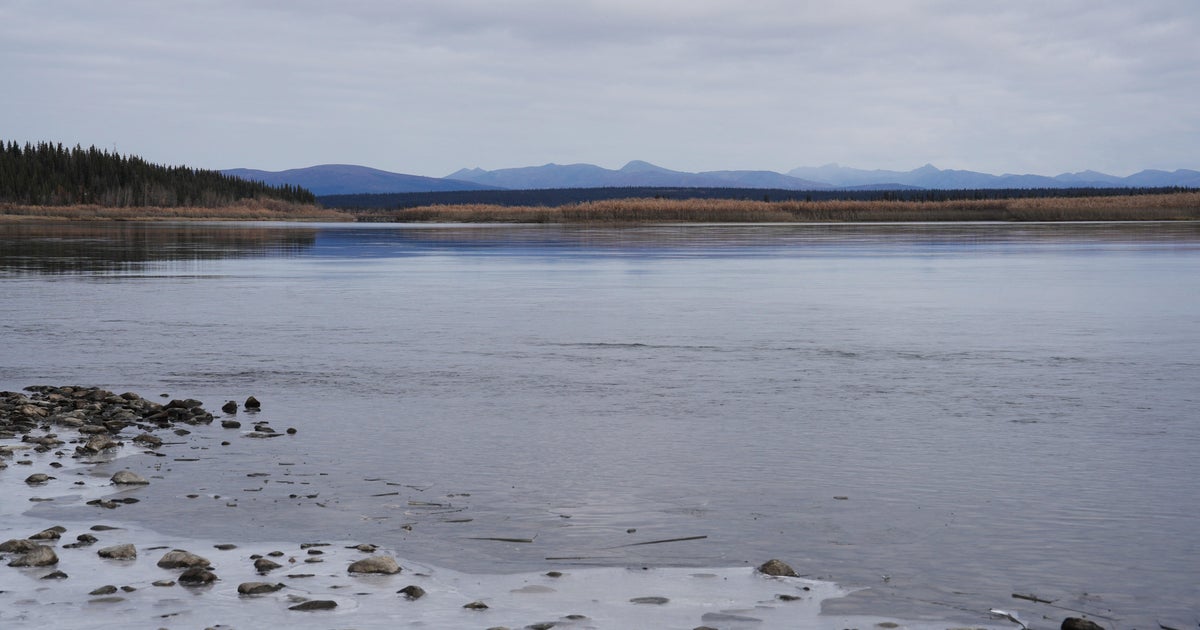
Thawing permafrost is changing river chemistry and turning waters orange as iron and metals mobilize, boreal species move north, and fisheries and Indigenous communities confront shifting stocks and infrastructure risks, highlighting the need for sustained monitoring, local knowledge integration, and policies focused on adaptation and emissions reduction.
About the Organizations Mentioned
NOAA
The **National Oceanic and Atmospheric Administration (NOAA)** is a U.S. scientific and regulatory agency under the Department of Commerce, dedicated to understanding and predicting changes in **climate, weather, oceans, and coasts** while conserving marine ecosystems to support economic vitality and public safety.[1][2][3][4] Established in **1970** by merging entities like the Weather Bureau, Coast and Geodetic Survey, and National Satellite Center, NOAA has evolved into a powerhouse for environmental intelligence.[1][3] Headquartered in Silver Spring, Maryland, it issues over **734,000 weather forecasts, 850,000 river forecasts, and 45,000 severe weather warnings annually** via the National Weather Service (NWS), leveraging NEXRAD Doppler radars and NOAA Weather Radio for real-time alerts.[1] Its Office of Oceanic and Atmospheric Research (OAR) drives innovations in tornado detection, hurricane modeling, El Niño predictions, and deep-sea tech, fueling industries from aviation to fisheries.[1][3] Key achievements include pioneering **ocean exploration** through ships like the *Okeanos Explorer*, which in 2025 conducted Pacific expeditions mapping unknown seabeds and biodiversity hotspots like Palau's deep waters.[1][6] NOAA's National Integrated Heat Health Information System (NIHHIS), co-developed with the CDC, has mapped urban heat islands in 22 U.S. cities since 2018, enhancing resilience against climate extremes.[2] It also manages the U.S. exclusive economic zone, protecting endangered species and enabling sustainable fishing worth billions.[1] Today, NOAA remains robust, with active programs like the 2026 *Okeanos Explorer* Pacific missions and NCEP centers forecasting aviation and space weather.[3][6] For business and tech enthusiasts, its data powers AI-driven climate models, satellite tech, and blue economy ventures—projected to generate $1.5 trillion in U.