Asian Tech Stocks Rally Amid Market Recovery
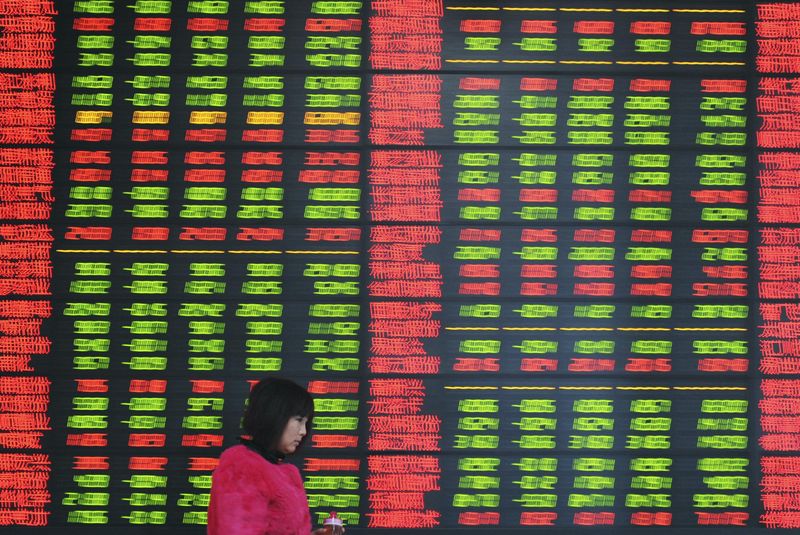
Asian Tech Stocks Surge Amid Market Recovery
Asian stock markets demonstrated resilience this week as technology stocks led a notable recovery. South Korea's KOSPI index surged nearly three percent to reach a record high of 5,673.11 points, driven primarily by gains in semiconductor companies like Samsung Electronics. Australia's ASX 200 also hit record levels, jumping over one percent on strength in mining and banking stocks. These advances reflect growing investor confidence despite ongoing uncertainty surrounding U.S. interest rate trajectories.
Regional Performance and Economic Drivers
The rally extended across multiple Asian markets, with Japan's Nikkei 225 rising one percent following political developments that support economic reform. Chinese and Hong Kong markets remained closed for Lunar New Year celebrations, limiting regional trading volumes. Technology sector strength offset concerns about monetary policy, as investors sought opportunities in growth-oriented assets. Structural factors including artificial intelligence innovation, energy transition initiatives, and semiconductor demand continue supporting long-term market momentum across the region.
Looking Ahead
Analysts anticipate continued strength in Asian equities, supported by expected U.S. interest rate cuts and improving macroeconomic conditions. The combination of positive corporate earnings and structural growth drivers positions Asia favorably for sustained market appreciation throughout 2026.
```About the Organizations Mentioned
Samsung Electronics
Samsung Electronics Co., Ltd., founded in 1969 as a subsidiary of the Samsung Group, is a South Korean multinational leader in consumer electronics, semiconductors, and telecommunications technology[3][5]. Originating from the larger Samsung conglomerate established in 1938 by Lee Byung-chul as a trading company dealing with noodles and dried fish, Samsung Electronics marked its entry into the technology sector by producing black-and-white televisions in the early 1970s[1][4][9]. The name “Samsung” means "three stars" in Korean, symbolizing strength and longevity[1][2]. Samsung’s pivotal expansion into electronics began in the 1960s, with significant diversification through the 1970s into heavy industries, petrochemicals, and manufacturing[2][4]. Samsung Electronics consolidated its position in the semiconductor industry in the 1980s, notably developing the world’s first 64K DRAM chip in 1983, which accelerated its rise to become the world’s largest memory chip producer by the late 1990s[3][5]. This semiconductor success established a foundation for Samsung's leadership in advanced technology manufacturing. Entering the telecommunications market in 1992, Samsung launched its first mobile phone and rapidly grew to become the world’s largest mobile phone vendor by 2003 through continuous innovation and strategic product development[3]. The launch of the Galaxy smartphone series in 2010 further cemented Samsung's dominance, with the Galaxy S series driving significant global market share in smartphones[3]. Samsung invests heavily in research and development, with approximately $22 billion allocated in 2022 focusing on 5G, artificial intelligence, and semiconductor technologies[3]. Today, Samsung Electronics is a global powerhouse in technology, known for its broad product range including smartphones, televisions, home appliances, and semiconductors. The company’s history reflects a strategic evolution from humble beginnings to a diversified conglomerate at the forefront of innovation an