WHO Slams US-Funded Newborn Hepatitis B Vaccine Trial in Guinea-Bissau
WHO Slams US-Funded Newborn Vaccine Trial in Guinea-Bissau
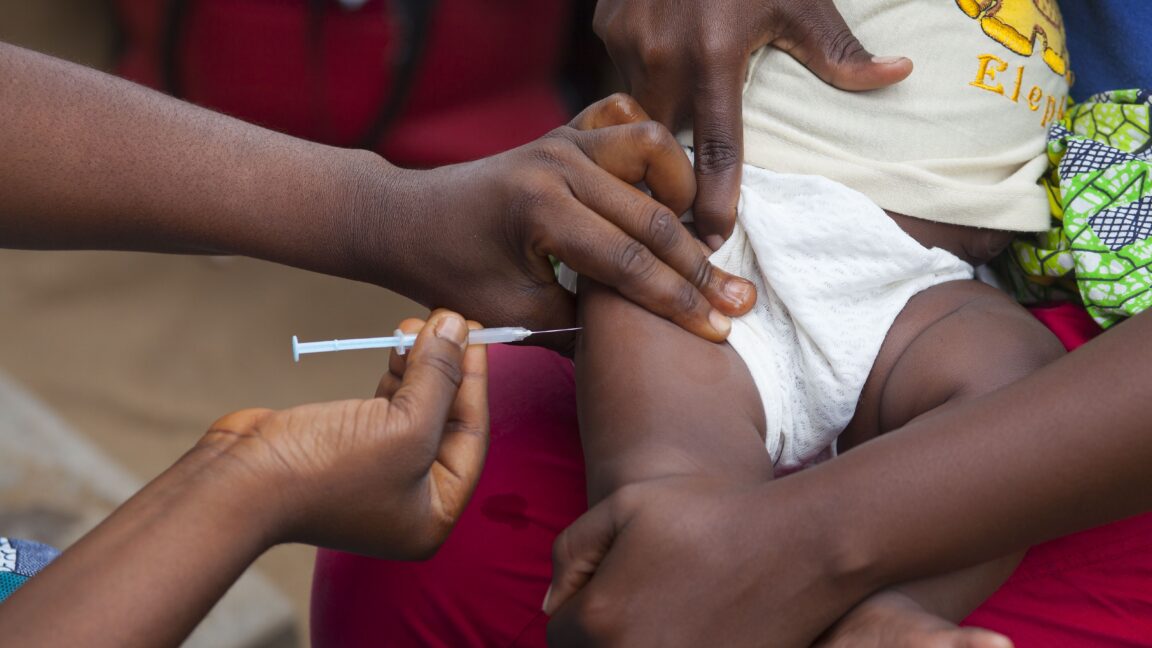
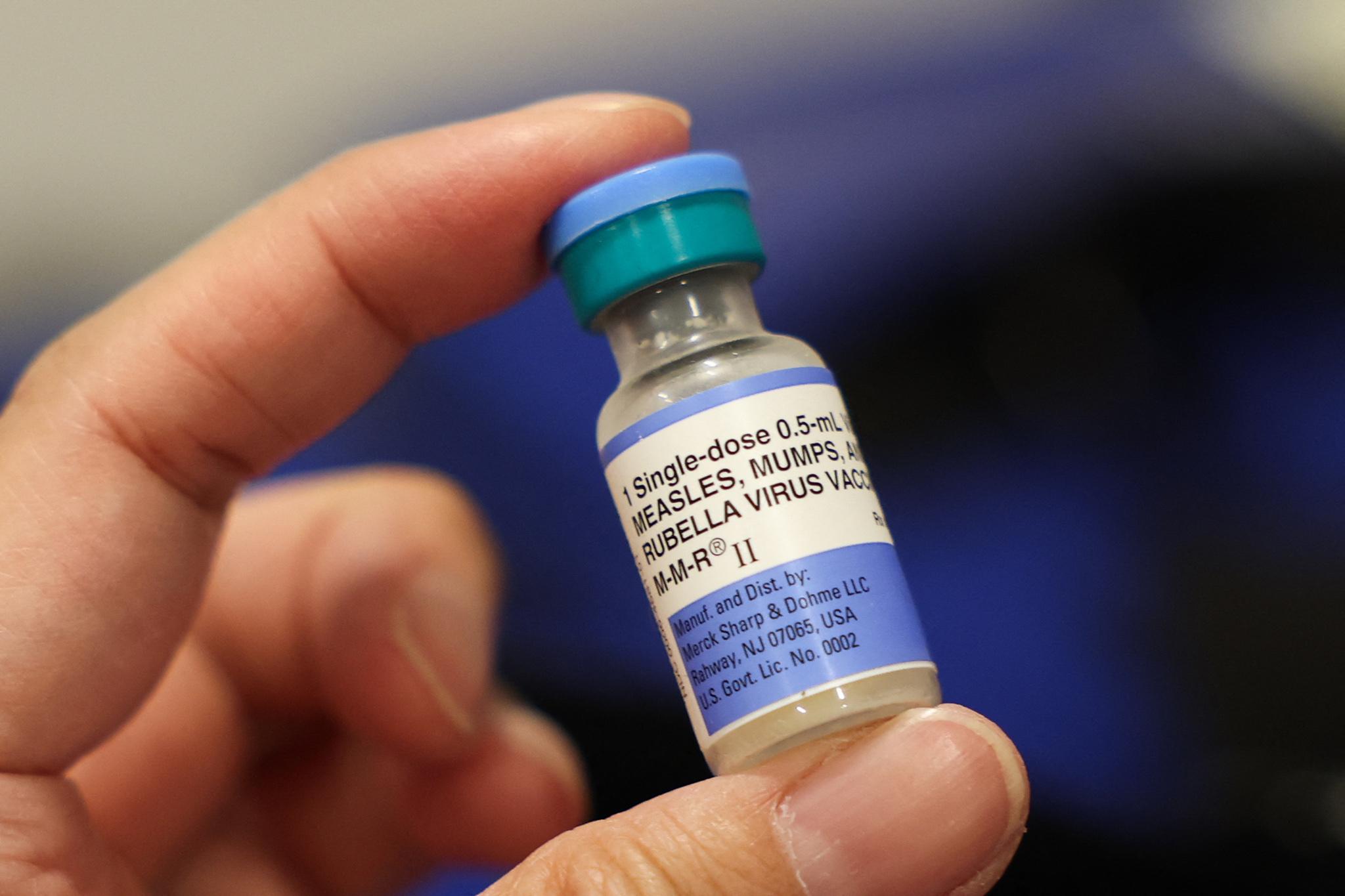
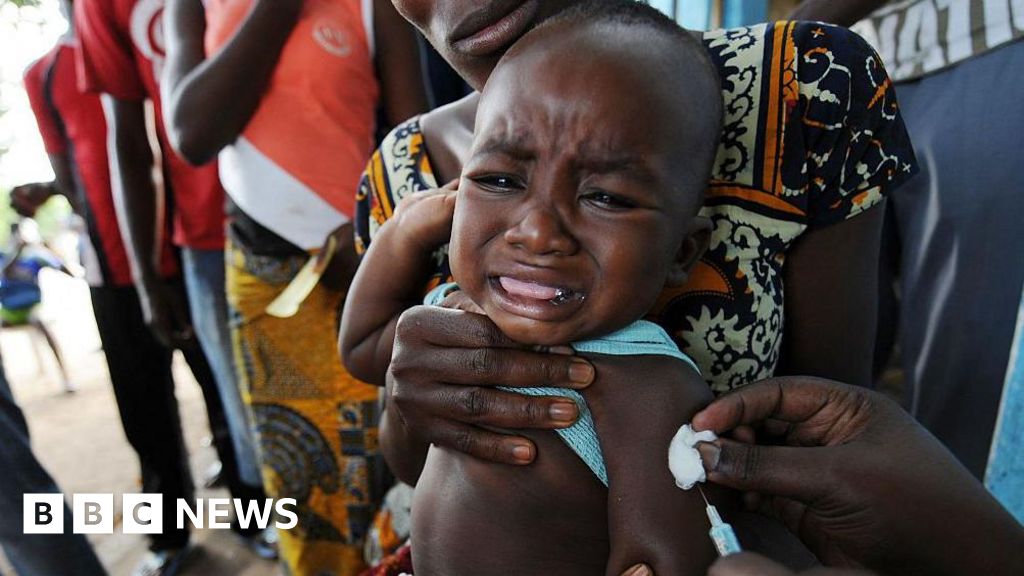
The World Health Organization has fiercely criticized a proposed US-backed hepatitis B vaccine study in Guinea-Bissau, labeling it unethical for withholding a proven life-saving shot from some newborns. Funded by the US Centers for Disease Control and Prevention and led by Danish researchers, the trial aimed to enroll 14,000 infants, giving the vaccine at birth to half while delaying it until six weeks for the others to assess broader health effects.[1][3]
Ethical Concerns and Scientific Flaws
WHO argues the design exposes vulnerable babies to irreversible harm in a nation where over 12 percent of adults carry chronic hepatitis B, and 90 percent of birth-infected newborns become lifelong carriers. The birth dose, recommended within 24 hours and used in 115 countries for decades, cannot be delayed ethically, as no proven alternative exists. Critics like former health minister Magda Robalo echoed, "Guinea-Bissauans are not guinea pigs."[1][2]
Suspension and Path Forward
Guinea-Bissau halted the project amid public outrage and expert backlash, though researchers claim it aligns with current policy and was ethically approved locally. WHO offers support for nationwide birth-dose rollout by 2028, including screening and logistics, prioritizing infant safety over controversial research.[3][4]
About the Organizations Mentioned
World Health Organization
The World Health Organization (WHO) is a specialized agency of the United Nations, established in 1948, with a mandate to promote global health, coordinate international responses to public health threats, and set standards for health policies and interventions[2]. Headquartered in Geneva, Switzerland, WHO operates in over 150 countries, working with governments, NGOs, and other partners to advance health equity, strengthen health systems, and respond to health emergencies. ## What WHO Does WHO’s core activities include monitoring global health trends, setting international health standards, providing technical assistance to countries, and serving as a forum for scientific and policy discussions on health issues[2]. The organization publishes influential reports such as the annual **World Health Statistics**, which tracks progress toward Sustainable Development Goals (SDGs) and provides a global “health report card”[1][8]. WHO also maintains the Model List of Essential Medicines, guiding countries on which drugs are most critical for public health[7]. In addition, WHO leads global campaigns on issues ranging from infectious disease eradication to noncommunicable diseases (NCDs), maternal and child health, and health emergencies[2][6]. ## History and Key Achievements WHO’s history is marked by landmark achievements, including the eradication of smallpox, near-eradication of polio, and the development of an Ebola vaccine[2]. The organization played a pivotal role in responding to the COVID-19 pandemic, coordinating global research, vaccine distribution, and public health guidance. In May 2025, WHO member states adopted the world’s first **Pandemic Agreement**, a historic step to improve international coordination and equity in future health crises[4]. WHO also spearheads initiatives like the Triple Billion Targets (healthier lives, universal health coverage, and protection from health emergencies) and technical policy packages targeting tobacco, alcohol, salt, and trans fat reduction[1][2]. ## Current Status and Notable Aspects WHO is currently implementing its **Fou
US Centers for Disease Control and Prevention
The **U.S. Centers for Disease Control and Prevention (CDC)** is a premier federal public health agency under the U.S. Department of Health and Human Services, headquartered in Atlanta, Georgia. Founded on July 1, 1946, as the Communicable Disease Center, it evolved from the World War II-era Malaria Control in War Areas program, initially tasked with controlling malaria around military bases in the southern United States[1][2][3][5]. Its mission has expanded significantly to encompass disease prevention, health promotion, environmental health, and emergency preparedness. The CDC's early focus was on infectious diseases such as malaria and typhus, with major efforts including mosquito abatement and spraying millions of homes with DDT to combat malaria[2][4]. Over time, it broadened its scope to include polio, smallpox, chronic diseases, injury prevention, toxic chemicals, occupational health, and health statistics[4][5]. The agency also developed a reputation for "shoe-leather epidemiology," conducting field investigations to identify and control outbreaks[6]. Key achievements include managing the 1955 polio vaccine crisis, which restored public confidence in immunization programs, and guiding national influenza vaccination policies after the 1957 epidemic[6]. The CDC established the National Center for Injury Prevention and Control in 1992, highlighting its role in addressing broader public health issues[2]. It also operates advanced biosafety level 4 laboratories and maintains operations domestically and internationally[4]. Today, the CDC serves as a global leader in epidemiology and public health science, providing vital data, health education, disease surveillance, and grants to improve health outcomes. It consolidates expertise across infectious diseases, immunization, environmental health, and health promotion, partnering with academia, industry, and governments worldwide[5][9]. Its blend of scientific innovation, field investigation, and public health leadership makes it a cornerstone institution in global health security and emergency response. Notable aspects include its historica