Ben & Jerry's Board Shakeup Escalates Tensions
#ben_and_jerrys #corporate_governance #activism #brand_integrity #unilever
Ben & Jerry's Board Shakeup Escalates Tensions
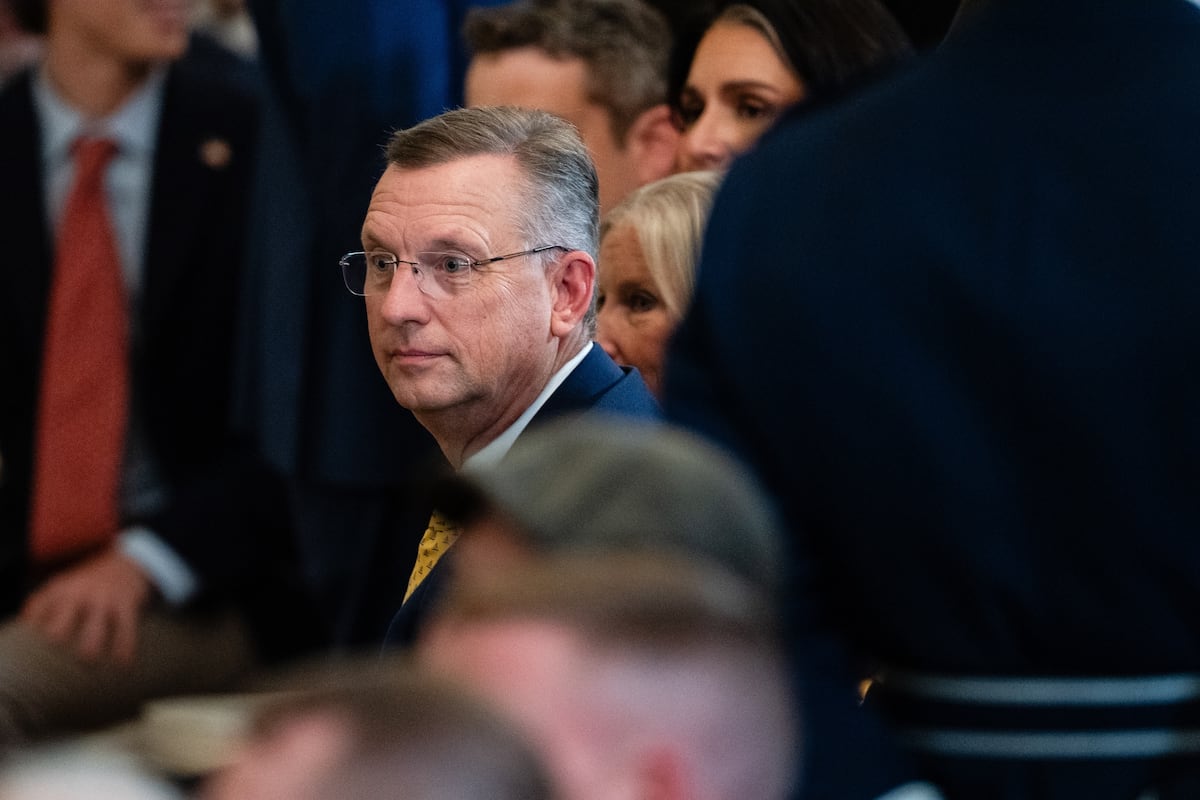
The iconic ice cream brand Ben & Jerry's is at the center of a brewing controversy as three board members, including chair Anuradha Mittal, were abruptly removed. This move stems from newly implemented governance practices and term limits announced on Monday, sparking outrage among stakeholders who view it as a direct assault on the company's longstanding independent oversight.
Co-Founder's Fierce Backlash
One of the brand's co-founders labeled the decision a "blatant power grab," arguing it strips the board of its vital independence. This removal aligns with broader efforts to streamline leadership, but critics fear it undermines Ben & Jerry's progressive ethos, known for bold social activism on issues like climate justice and racial equity. The chair's ousting highlights deepening rifts between legacy guardians and new corporate influencers.
Implications for the Brand's Future
As the row intensifies, questions swirl about Ben & Jerry's direction under parent company Unilever. Will these changes stifle the brand's activist voice or foster more agile decision-making? Industry watchers predict prolonged legal and public battles, potentially reshaping governance in socially conscious businesses worldwide.
About the Organizations Mentioned
Ben & Jerry's
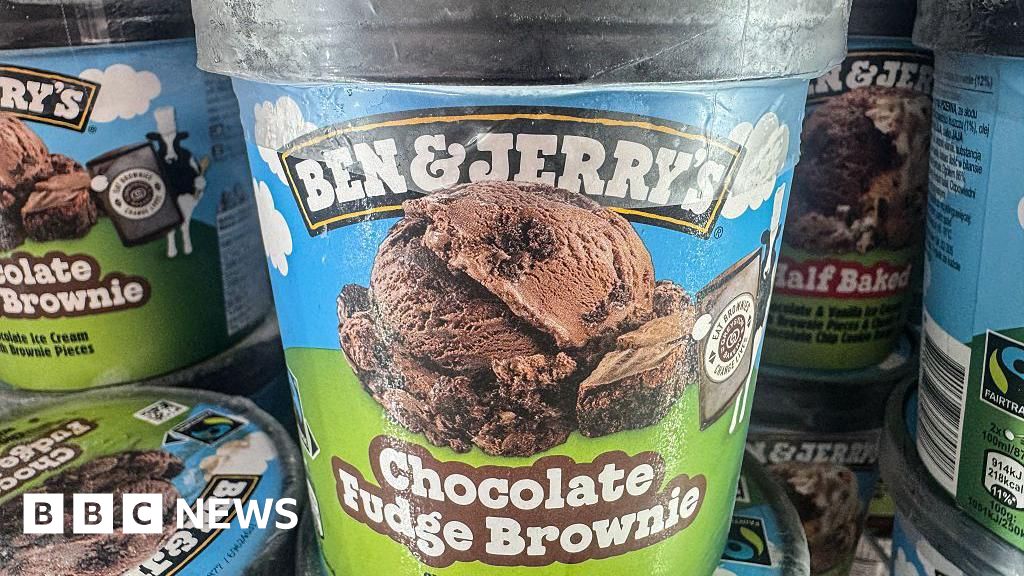
**Ben & Jerry's: A Legacy of Joy and Justice** Ben & Jerry's is an iconic ice cream company founded in 1978 by childhood friends Ben Cohen and Jerry Greenfield in Burlington, Vermont. Initially operating from a renovated gas station, the duo's innovative approach to ice cream, emphasizing natural ingredients and quirky flavors, quickly gained popularity. Early successes included the introduction of unique flavors like Cherry Garcia, named after the Grateful Dead guitarist, and the establishment of the Ben & Jerry's Foundation, which allocates 7.5% of the company's pre-tax profits to community projects[1][2]. **History and Achievements** Ben & Jerry's expanded rapidly, opening its first franchise in 1981 and going public in 1984[6]. The company's commitment to sustainability and social justice was revolutionary, setting a precedent by using Fairtrade-certified ingredients[3]. In 1989, Ben & Jerry's opened a factory in Waterbury, Vermont, which became a major tourist attraction[2]. The company's global expansion began in the 1990s, with operations in the UK by 1994[5]. In 2000, Ben & Jerry's was acquired by Unilever, allowing it to reach 33 countries worldwide[3][5]. **Current Status and Notable Aspects** Today, Ben & Jerry's is known for its three-part mission: **Product Mission** (quality natural ingredients), **Economic Mission** (sustainable growth), and **Social Mission** (community support)[3]. The company continues to innovate, with recent initiatives focusing on environmental sustainability and social activism. Ben & Jerry's remains a leader in the ice cream industry, celebrated for its unique flavors and commitment to social responsibility[5]. Notable aspects include its annual Free Cone Day, which began in 1979 as a thank-you to loyal customers[5]. The brand's quirky marketing strategies, such as the Cowmobile, have also contributed to
Unilever
Unilever stands as one of the world’s largest and most influential consumer goods companies, with a portfolio that touches nearly every aspect of daily life—from personal care and cleaning products to nutrition and ice cream[1][7]. Founded in 1929 through the merger of British soap maker Lever Brothers and Dutch margarine producer Margarine Unie, Unilever has grown from its roots in oils and fats to a truly global enterprise, now operating in over 190 countries and serving 3.4 billion people daily[1][5]. Its products are household names: Dove, Lipton, Knorr, Hellmann’s, Ben & Jerry’s, and many more, reflecting a history of strategic acquisitions that have expanded its reach and relevance[1]. Unilever’s evolution has been marked by continuous adaptation. In its early decades, the company expanded rapidly through acquisitions like the United Africa Company in the 1930s. The latter half of the 20th century saw diversification into food, beverages, and household products, followed by a strategic pivot in the 2010s toward health, beauty, and wellbeing brands under CEO Paul Polman[1]. Today, Unilever is organized into five autonomous Business Groups—Beauty & Wellbeing, Personal Care, Home Care, Nutrition, and Ice Cream—each responsible for its own strategy and performance, supported by a centralized Business Operations unit that drives efficiency and innovation across the enterprise[2]. This structure, implemented in 2022, aims to make Unilever more agile and responsive to global consumer trends[2]. Unilever’s achievements are substantial. It is the world’s largest soap producer, with a 2024 turnover of €60.8 billion and a strong presence in emerging markets, which account for 58% of its sales[1][5]. The company invests heavily in R&D (€987 million annually) and sustainability, achieving a 72% reduction in Scope 1 and 2 greenhous